
How To Find Affordable Accommodation While Travelling Full Time (Our Proven System)

Learn how to find affordable accommodation while travelling using a proven system to save money, stay longer and book smarter.
When we first started travelling full-time, we made just about every accommodation mistake you can think of.
We booked long stays online without ever seeing the place in person. We skimmed reviews instead of properly reading them. We booked on the first platform we checked, assuming the price would be the same everywhere. And a few times, we left booking too late during peak seasons… which meant limited options, higher prices, and settling for places we wouldn’t normally choose.
One perfect example was during our travels in Mexico. We didn’t realise the ‘peak season’ extended beyond what we had read on-line and found ourselves unable to find suitable accommodation in several of our chosen destinations. We ended up staying in Merida for more than 1 month as a result in an older hotel room which was very basic (but clean and friendly staff) until we could continue our planned travels.
It didn’t take long to realise something important.
Accommodation was easily our biggest expense after flights. And when you’re travelling full-time, those nightly costs add up fast. What looks reasonable for a few nights becomes expensive when you’re staying for weeks or months.
Over time, we stopped thinking about accommodation as something we simply “booked”.
Instead, we started treating it as a system.
A repeatable way of finding, comparing, negotiating, and choosing places to stay that works across different countries, budgets, and travel styles.
After more than 8 years of full-time travel, this system is one of the main reasons we’ve been able to keep our costs down without sacrificing comfort or location.
In this guide, we’ll walk you through exactly how we find affordable accommodation anywhere in the world — step by step — so you can apply the same approach to your own travels.
How To Find Affordable Accommodation While Travelling: Key Takeaways
If you don’t have time to read the full guide, here’s the approach we use after 8+ years of full-time travel:
- Affordable accommodation doesn’t start with finding deals. It starts with how you think about accommodation in the first place.
- There isn’t one best place to book. The right option depends on your destination, length of stay, and flexibility.
- Finding good value isn’t about choosing the cheapest listing. It comes down to how you search, compare, and negotiate.
- Where you stay affects every other part of your travel budget, so focus on overall value, not just price.
- Staying longer often leads to better rates, and building relationships with hosts makes future bookings easier.
- Cheap doesn’t always mean good value. The goal is to reduce your total cost, not just the nightly rate.
- Most accommodation mistakes come from rushing decisions or skipping simple checks. Slowing down your process helps avoid them.
If you don’t have time to read the full guide, here’s the approach we use after 8+ years of full-time travel:
- Affordable accommodation doesn’t start with finding deals. It starts with how you think about accommodation in the first place.
- There isn’t one best place to book. The right option depends on your destination, length of stay, and flexibility.
- Finding good value isn’t about choosing the cheapest listing. It comes down to how you search, compare, and negotiate.
- Where you stay affects every other part of your travel budget, so focus on overall value, not just price.
- Staying longer often leads to better rates, and building relationships with hosts makes future bookings easier.
- Cheap doesn’t always mean good value. The goal is to reduce your total cost, not just the nightly rate.
- Most accommodation mistakes come from rushing decisions or skipping simple checks. Slowing down your process helps avoid them.
Accommodation works best when it’s treated as a system. Once you have a process, you stop guessing and start making better decisions consistently.
Why Accommodation Is The Biggest Travel Expense (And How To Control It)
When you look at your overall travel budget, flights often feel like the biggest cost. But once you’re on the ground, accommodation quickly takes over.
It’s the one expense you pay every single night.
Even a modest place at $80–$100 per night adds up quickly. Over a month, that’s $2,400–$3,000. Over a year of full-time travel, the numbers become significant.
Accommodation quickly becomes your biggest ongoing cost, which is why it’s such an important part of planning your nomadic retirement strategy.
Why Accommodation Eats Your Budget Fast
Unlike food or activities, accommodation is not optional. You can cook your own meals, skip tours, or travel slower, but you still need somewhere to sleep.
That’s why small improvements in how you book accommodation can lead to major savings over time.
Saving $20 per night might not feel like much. But over a 3-month stay, that’s $1,800 saved.
Nightly Thinking Vs. Monthly Thinking
One of the biggest shifts we made was moving from nightly thinking to monthly thinking.
Most travellers focus on the nightly rate:
- “This place is $60 per night”
But long-term travellers think differently:
- “What’s the monthly rate if we stay longer?”
The difference can be huge.
Many properties offer significant discounts for weekly or monthly stays. In our experience, longer stays can reduce the nightly cost dramatically, sometimes by more than half.
This is where most travellers leave money on the table.
How Small Changes Create Big Savings
You don’t need extreme changes to reduce accommodation costs. Small adjustments make a big difference:
- Staying a few extra days (or weeks)
- Booking slightly outside peak periods
- Comparing platforms instead of booking the first option
- Choosing an apartment / aparthotel over a hotel room
These decisions compound over time.
The Real Issue Most Travellers Miss
Most people assume they just need to find “cheaper places”. But in reality, the issue isn’t the price, it’s the approach.
Most travellers don’t have a booking problem. They have a strategy problem.
And this is where things start to change.
Once you stop treating accommodation as a one-off decision and start designing your travel around it, you gain far more control over your costs.
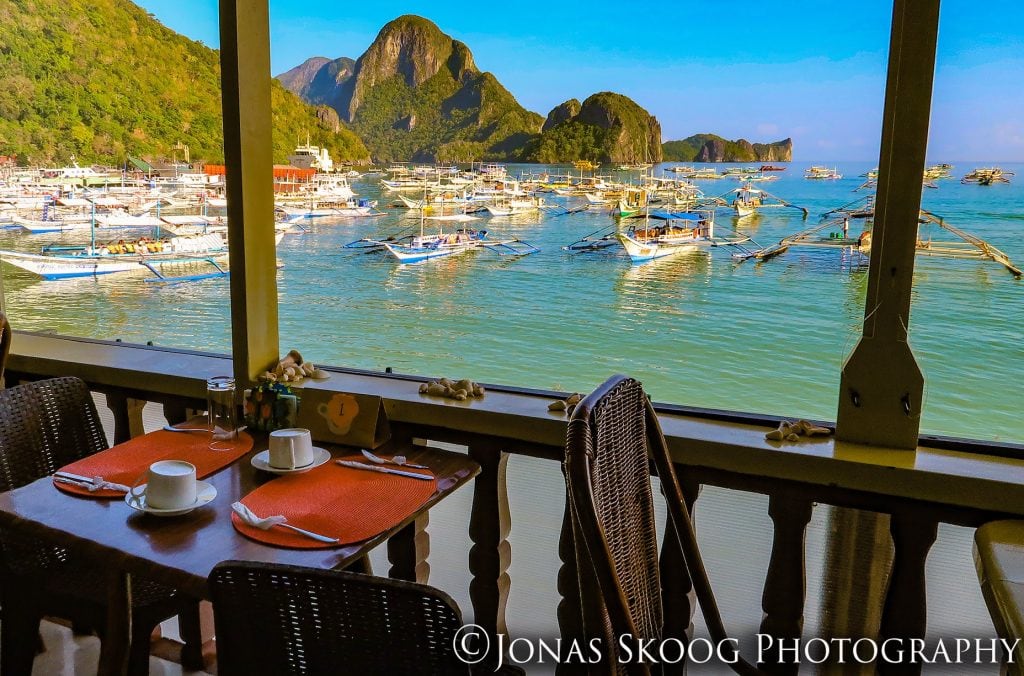
Step 1: Shift Your Mindset Before You Book Anything
Before you open any booking platform or start searching for deals, this is where the real savings begin.
The biggest difference we see between travellers who consistently find affordable accommodation and those who overpay isn’t luck, it’s mindset.
Accommodation Is Your Biggest Ongoing Cost
Once you accept that accommodation is your main recurring expense, your approach changes.
You stop asking: “What’s available for these dates?”
And start asking: “How can I structure this stay to cost less?”
That shift alone puts you ahead of most travellers.
Think Like A Local Renter, Not A Tourist
Tourists book nights. Locals think in weeks or months.
Tourists stay in hotels. Locals rent apartments, negotiate, and build relationships.
When you start thinking like someone who lives there, not just visiting ,you naturally uncover better options.
This is why:
- Monthly rentals are cheaper than nightly stays
- Facebook groups and local listings can beat booking platforms
- Negotiating becomes normal, not awkward
It’s a completely different way of approaching accommodation.
Why Flexibility Unlocks Cheaper Options
Flexibility is one of the most powerful tools you have.
The more flexible you are with:
- Dates
- Length of stay
- Type of accommodation
- Even location
…the more options open up.
And more options usually mean better prices.
If you’re locked into exact dates, specific neighbourhoods, and only one type of accommodation, you limit your chances of finding a good deal.
Longer Stays = Better Rates
This is one of the simplest and most effective strategies.
Many properties would rather have: One guest for 30 days
Instead of: Multiple short-term bookings with gaps in between
That’s why they offer discounts for longer stays.
And in our experience, these discounts are often not advertised clearly — you need to ask.
Think Beyond Hotels
Hotels are the default choice for most travellers, but they’re rarely the most cost-effective for longer stays.
Better alternatives include:
- Apartments
- Guesthouses
- Serviced apartments
- Hostel private rooms (especially in expensive cities)
These often provide more space, better amenities, and lower overall cost.
Free Accommodation Is Possible
This is something many people overlook.
There are legitimate ways to stay for free while travelling:
- House sitting
- Work exchanges (e.g. farm stays or helping with projects)
- Staying with family or friends
These won’t suit every traveller or every stage of your journey, but they can significantly reduce costs when used occasionally.
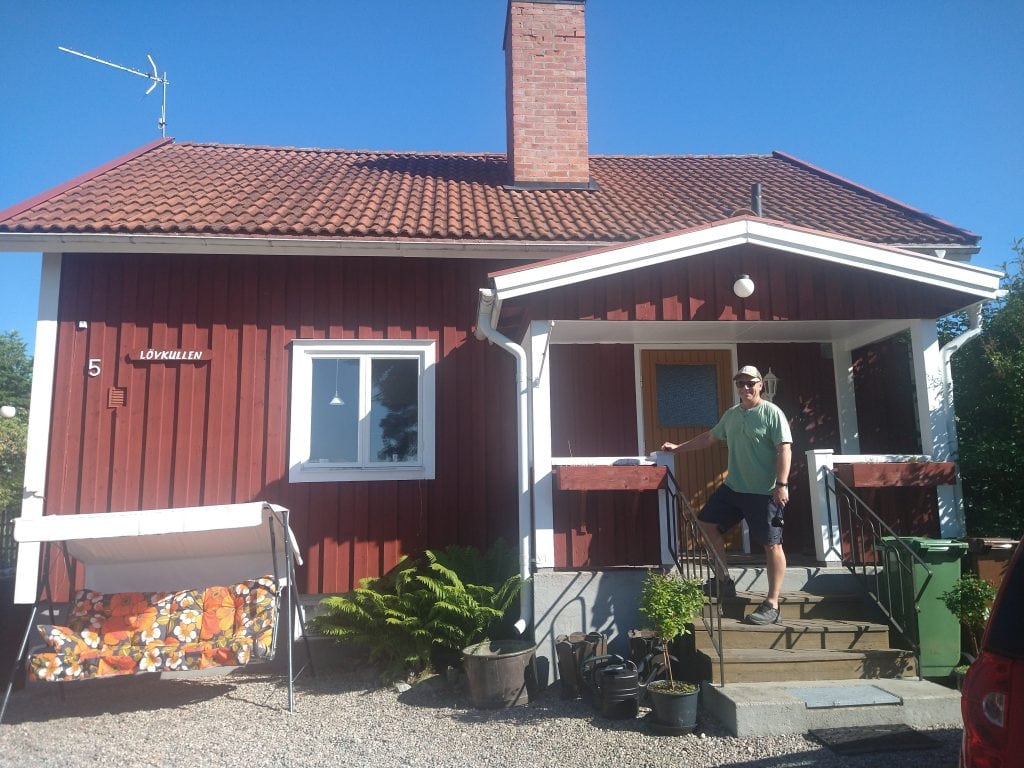
Step 2: Where to Find Affordable Accommodation Anywhere
Once you’ve shifted your mindset, the next step is knowing where to actually look.
Most travellers rely on one platform and hope for the best. That’s one of the biggest reasons they overpay.
We use a mix of platforms, direct bookings, and local sources depending on the destination and length of stay.
Booking Platforms We Use (And Why)
We don’t rely on just one site. Each platform has its strengths.
- Booking.com – our go-to for flexibility, wide options, and easy filtering
- Agoda – often better pricing in Southeast Asia (we regularly find cheaper rates here compared to other platforms)
- Airbnb – useful when you specifically want an apartment, especially in larger cities where walking around to find rentals isn’t practical
Each platform can show different prices for the same property. That’s why we always compare.
How To Find Better Deals Outside Booking Sites
Some of the best deals never show up on booking platforms.
Two strategies that consistently work for us:
1. Contact properties directly
Once we find a place we like, we’ll:
- Look up their website or contact details
- Message them directly
- Ask if they can offer a better rate for a longer stay
Quite often, they will.
2. Walk-in bookings (this is our preferred method)
If we’re staying somewhere longer term, we sometimes book a few nights first, then:
- Visit properties in person
- Check the room and location
- Negotiate directly
This removes the risk of booking sight unseen and often leads to better pricing.
When this works best:
- Shoulder season or off-season
- Smaller cities that are easy to get around
- Guesthouses or locally run accommodation with a reception desk
- Longer stays
Facebook Groups & Local Rentals (Hidden Gems)
This is where thinking like a local really pays off.
We regularly check:
- Digital nomad groups
- Expat groups
- Local rental groups
You can often find:
- Monthly rentals
- Short-term sublets
- Better prices than Airbnb
But there’s a catch.
This approach doesn’t always work in large cities where:
- Peak season (we had this problem in Da Nang, Vietnam when looking in March where availability was very limited)
- Distances are too big (unless you have your own mode of transportation)
- Time is limited
- Viewing multiple places isn’t practical
In those cases, Airbnb or booking platforms can still be the better option.
Free and Alternative Accommodation Options
If your goal is to reduce costs even further, there are options beyond paid accommodation.
- House and pet sitting – stay in someone’s home and look after their pets while they’re away
- Work exchanges – exchange a few hours of work for accommodation
- Staying with family or friends – something we still do occasionally in both Australia and Sweden
These won’t replace all your accommodation, but they can reduce your overall costs significantly when used strategically.

Step 3: How to Get the Best Price (Our Exact Process)
This is where everything comes together.
Finding affordable accommodation isn’t about luck. It’s about following a consistent process every time you book.
This is the exact approach we use.
Compare Across Multiple Platforms (Always)
We never rely on a single platform.
For every stay, we check:
- Booking.com
- Agoda
- Airbnb (if we want an apartment)
The same property can be priced differently across platforms. Sometimes the difference is small, but other times it’s significant.
This step alone can save you a surprising amount over time.
Never Book On The First Site You Check
This is one of the simplest rules we follow.
Even if a place looks perfect, we don’t book it immediately.
Instead, we:
- Check at least 2–3 platforms
- Look at similar properties in the same area
- Compare what’s actually included
It only takes a few extra minutes, but it prevents overpaying.
Message The Property Directly (Key Tactic)
This is something most travellers skip.
Once we find a place we like, we often contact the property directly and ask:
- Do you offer better rates for longer stays?
- Is there a discount if we book directly?
Many properties are happy to avoid platform fees and will offer a better deal.
Timing Your Booking (Early Vs. Last-Minute Vs. Off-Season)
Timing matters more than most people realise.
- Peak season → book early or expect higher prices and limited choice
- Off-season → more flexibility, better rates
- Shoulder season → often the best balance of price and conditions
There are times when last-minute deals work, but we don’t rely on this, especially for longer stays.
Ask For Weekly Or Monthly Discounts
Longer stays are where the biggest savings happen. Even if a discount isn’t advertised, we ask.
Many places will offer:
- Weekly rates
- Monthly discounts
- Custom pricing for longer stays
Stay Longer To Pay Less
This is one of the most effective strategies we use and it is one of the best tips for slow travellers.
Instead of moving every few days, we:
- Stay longer in each location
- Reduce our nightly cost
- Avoid frequent booking fees and transport costs
It also makes travel far more enjoyable.
Negotiating Long Stays (Our In-Person Strategy)
This is where we’ve seen the biggest savings.
For longer stays, we often:
- Book a few nights first in a hotel in the neighbourhood we want to stay
- Visit properties in person
- Talk directly with owners or managers
This gives us two advantages:
- We can see the property and neighbourhood before committing
- We can negotiate face-to-face
In some cases, we’ve saved up to 70% compared to the online nightly rate by doing this.
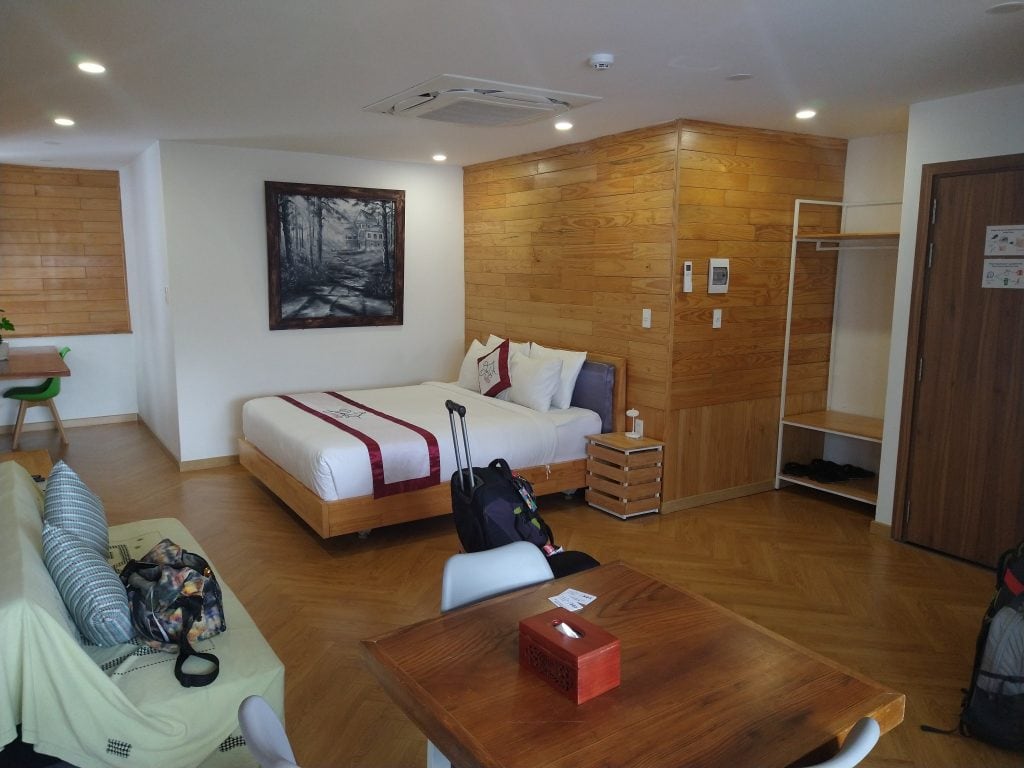
Step 4: Location Strategy (This Impacts Everything)
Where you stay has a bigger impact on your overall travel costs than most people realise.
It doesn’t just affect your accommodation price. It influences:
- How much you spend on transport
- Where you eat
- How easily you can explore
A slightly cheaper place in the wrong location can end up costing more overall.
Avoid Tourist Zones (Even 2–3 Streets Makes A Difference)
You don’t need to go far to find better value.
In many destinations, moving just a few streets away from the main tourist area can:
- Reduce nightly rates
- Give you more space for the same price
- Provide a more local experience
We often follow a simple rule:
- Stay close enough to walk to key areas
- But far enough to avoid peak tourist pricing
That small shift can make a noticeable difference.
Balance Price vs. Convenience
It’s tempting to choose the cheapest option available. But cheaper doesn’t always mean better value.
A place that saves you $15–$20 per night might:
- Require daily transport
- Add time and hassle to your day
- Limit where you can easily go
When you factor in those extra costs, the “cheaper” option often isn’t cheaper at all.
Walkability vs. Transport Costs
Walkability is one of the most underrated ways to save money.
If you can:
- Walk to restaurants
- Walk to attractions
- Walk to shops
You reduce:
- Transport costs
- Time spent organising travel
- Daily friction
In many cases, paying slightly more for a central location actually lowers your total spend.
Why We Personally Prioritise Central Locations
Over time, we’ve found that staying central works best for us.
We prefer to be:
- Within walking distance of key sights
- Close to restaurants and supermarkets
- In areas where we can easily explore on foot
It might cost a bit more upfront, but it saves money (and time) elsewhere.
The Mistake Most Travellers Make
Many travellers assume: Cheaper outskirts = better deal.
But that’s not always true.
Once you factor in:
- Transport
- Time
- Convenience
…the cheaper option can quickly lose its advantage.
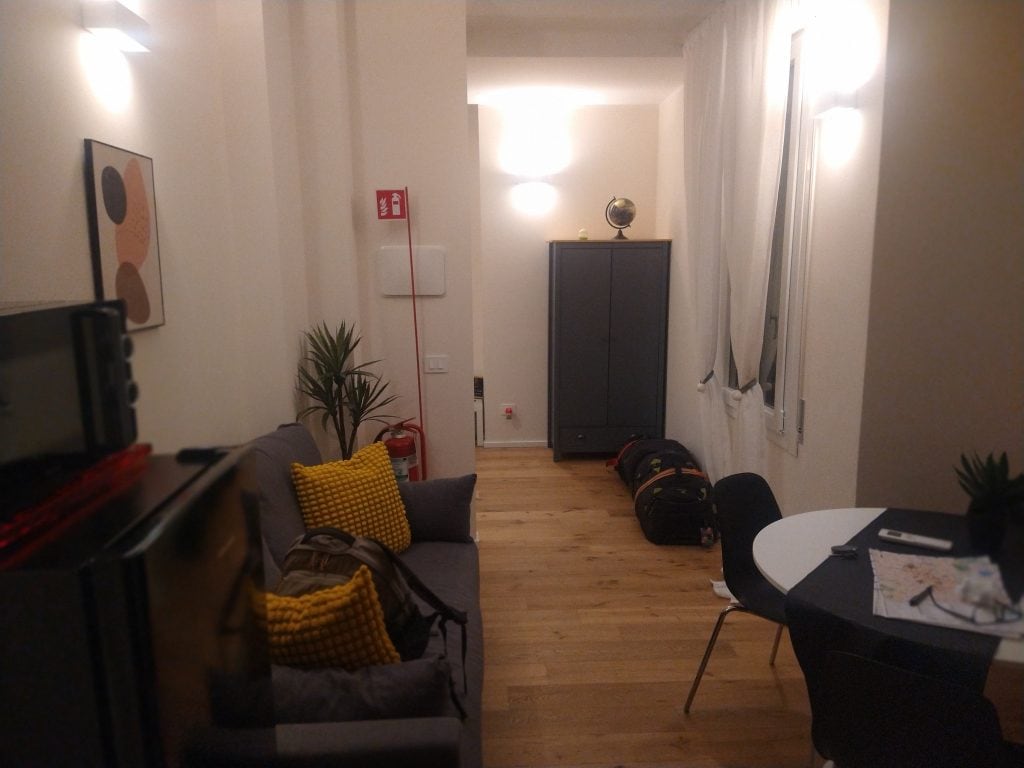
Step 5: The Long-Term Travel Advantage (How We Save The Most Money)
If there’s one area where we’ve saved the most money over the years, it’s this.
Long-term stays change how accommodation works entirely.
This is where full-time travellers have an advantage, and where the biggest savings tend to happen.
Why Monthly Stays Are So Much Cheaper
Most accommodation pricing is built around short stays. Nightly rates are the default because that’s how most people travel.
But property owners don’t actually prefer constant turnover. They want stability.
When you stay longer, you remove gaps between bookings and reduce the work involved in managing the property. That’s why many places are willing to offer much better rates if you commit to a longer stay.
In addition, they can reduce their own costs by only doing twice-weekly room cleans, or not including breakfast.
Once you start thinking in weeks or months instead of nights, the pricing shifts in your favour.
Negotiating Long-Term Rates (This Is Where It Adds Up)
This is something we do regularly, and it consistently leads to better deals. For longer stays, we don’t just accept the listed price. We ask.
Sometimes that’s through messaging before booking. Other times it’s done in person after arriving and seeing the property for ourselves. That second approach has worked especially well for us, because it gives both sides more confidence in the arrangement.
Some of our biggest savings have come from these conversations. In certain cases, we’ve paid significantly less than the advertised nightly rate (70% in one hotel) simply by asking the question.
Building Relationships With Hosts
Over time, this becomes even more valuable.
When you stay longer and treat a place well, people remember. That trust builds naturally.
We now have a few places we return to where the process is much easier. The owners know us, there’s no need for deposits, and the pricing has stayed consistent over the years.
It removes a lot of friction and uncertainty from planning future stays.
Returning To The Same Accommodation Over Time
There’s a lot of focus on finding new places, but returning to somewhere familiar has real benefits.
You already know the location, the layout, and what to expect. There’s no need to spend hours researching or worrying about whether the photos match reality.
It also tends to lead to better value over time, especially when there’s an existing relationship in place.
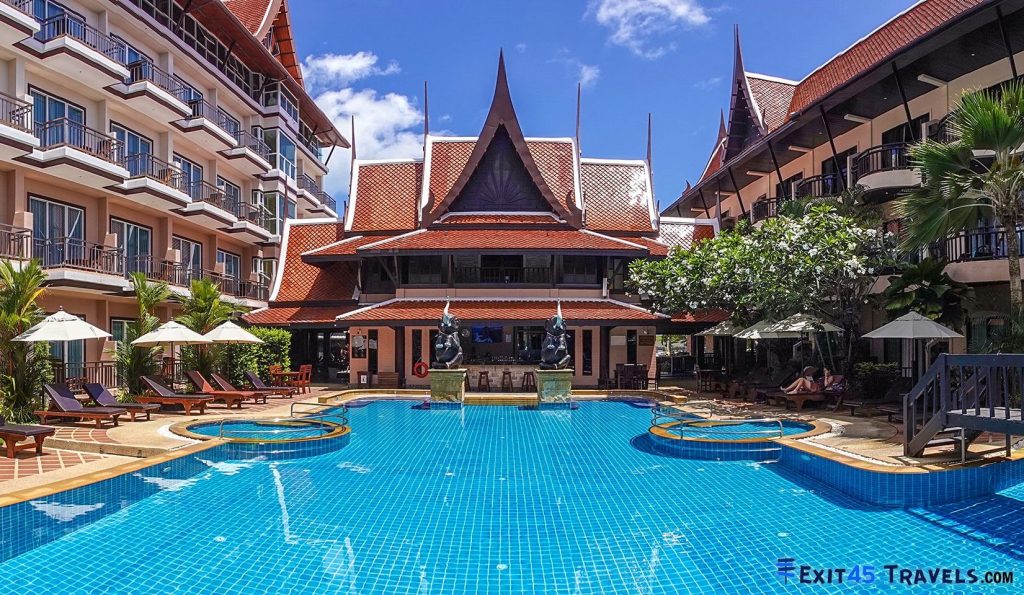
Step 6: Mix Accommodation Types for Maximum Value
One of the biggest mistakes we made early on was trying to use the same type of accommodation for every stay.
Over time, we realised that different situations call for different approaches. Once you start adjusting your accommodation based on how long you’re staying and what you need, it becomes much easier to keep costs under control.
Short Stays vs. Long Stays Strategy
When we arrive in a new destination, we usually keep things simple at first.
We’ll book a short stay through Agoda or Booking.com. Just enough time to get our bearings, explore the area, and see what’s available locally. This removes the pressure of committing to a place long-term without knowing the location.
Once we’re comfortable, that’s when we look for a longer-term option. This is where the better value usually is.
When To Use Hotels, Apartments, Or Hostels
Hotels still have their place, especially when you need something easy and predictable for a few nights.
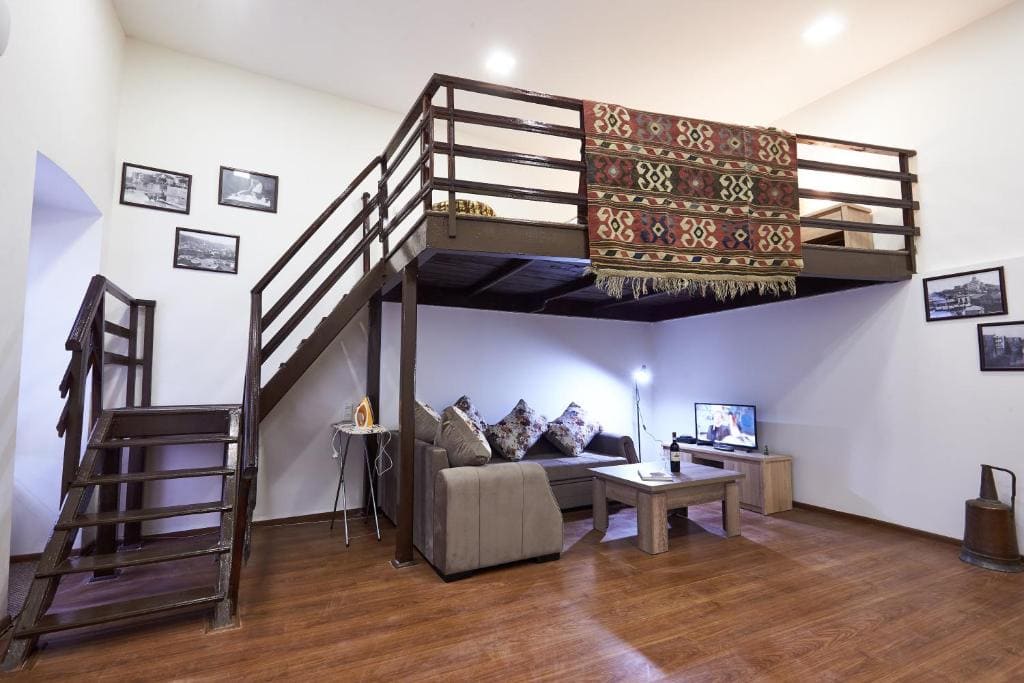
For longer stays, apartments tend to work much better. Having your own space, a kitchen, and basic facilities makes a big difference both in comfort and cost.
In more expensive cities, we’ve also used private rooms in hostels. They can offer good value, especially when hotel prices are high but you still want a central location.
How We Combine Comfort And Cost
We don’t aim for the absolute cheapest option. Instead, we focus on what gives us the best overall value for the way we travel.
Sometimes that means paying a bit more for a place with a kitchen so we can cook. Other times it’s choosing a slightly better location so we can walk instead of relying on transport.
By mixing accommodation types depending on the situation, we avoid overpaying while still keeping a level of comfort that works for long-term travel.
Step 7: How to Evaluate Value (Not Just Price)
Finding affordable accommodation isn’t just about choosing the lowest price.
Some of our worst stays have come from trying to save money in the wrong places. And in most of those cases, we ended up spending more overall or dealing with issues that could have been avoided.
Location (Walkability Saves Money)
Location is one of the biggest factors in overall value.
A place might look cheaper on paper, but if you need transport every time you leave, the costs quickly add up. It also affects how easy your day-to-day life is.
We’ve found that being able to walk to supermarkets, restaurants, and main sights makes a noticeable difference. It simplifies everything and reduces small, ongoing expenses that add up over time.
Amenities (Especially Kitchen And Laundry)
Amenities can change your daily spending more than you expect.
Having a kitchen gives you the option to cook when you want to, rather than relying on eating out all the time. That alone can reduce your overall travel costs significantly.
Laundry is another one that’s easy to overlook. If it’s included, you save both time and money compared to using external services. In addition, you reduce the risks of damage to your clothes i.e. shrinking, discolouration.
Reviews And Avoiding Bad Stays
We learned this one the hard way early on.
It’s not enough to glance at the overall rating. You need to actually read the reviews and look for patterns.
If multiple people mention the same issue i.e. noise, cleanliness, unreliable Wi-Fi, it’s usually a sign of what you’ll experience as well.
Spending a few extra minutes here can save you from a frustrating stay.
Total Cost vs. Nightly Rate
The nightly rate only tells part of the story.
You also need to consider:
- Transport costs
- Food options nearby
- Additional fees
A slightly more expensive place in a better location with the right amenities often works out cheaper overall.

Step 8: Common Mistakes That Cost Travellers Money
Most of these are mistakes we’ve made ourselves at some point and are a reality of a full-time travel lifestyle.
They don’t seem like a big deal in the moment, but over time they lead to higher costs, limited options, or disappointing stays.
Booking The First Option You See
It’s easy to find a place that looks good and just lock it in. We’ve done this plenty of times early on, assuming the price was standard across platforms. It rarely is.
Even a quick comparison across a couple of sites can reveal better deals or similar properties at a lower price.
Only Using One Platform
Relying on a single booking site limits your options.
Different platforms often show different prices for the same property. Some listings don’t appear everywhere at all.
We’ve consistently found better deals just by checking multiple sources before booking.
Ignoring Location Costs
This is one of the most common ways travellers think they’re saving money when they’re not.
A cheaper place further out might look like a good deal, but once you factor in daily transport and time spent getting around, the cost increases quickly.
In many cases, paying slightly more for a better location works out cheaper overall.
Not Checking Hidden Fees
The listed price isn’t always the final price.
Cleaning fees, service charges, and taxes can significantly increase the total cost, especially on certain platforms.
We always check the final price before making any decisions.
Booking Too Late
Leaving booking accommodation too late, especially in popular destinations or peak seasons, limits your choices.
We’ve experienced this ourselves… Fewer options, higher prices, and having to settle for places we wouldn’t normally choose.
Planning ahead gives you more flexibility and better value.
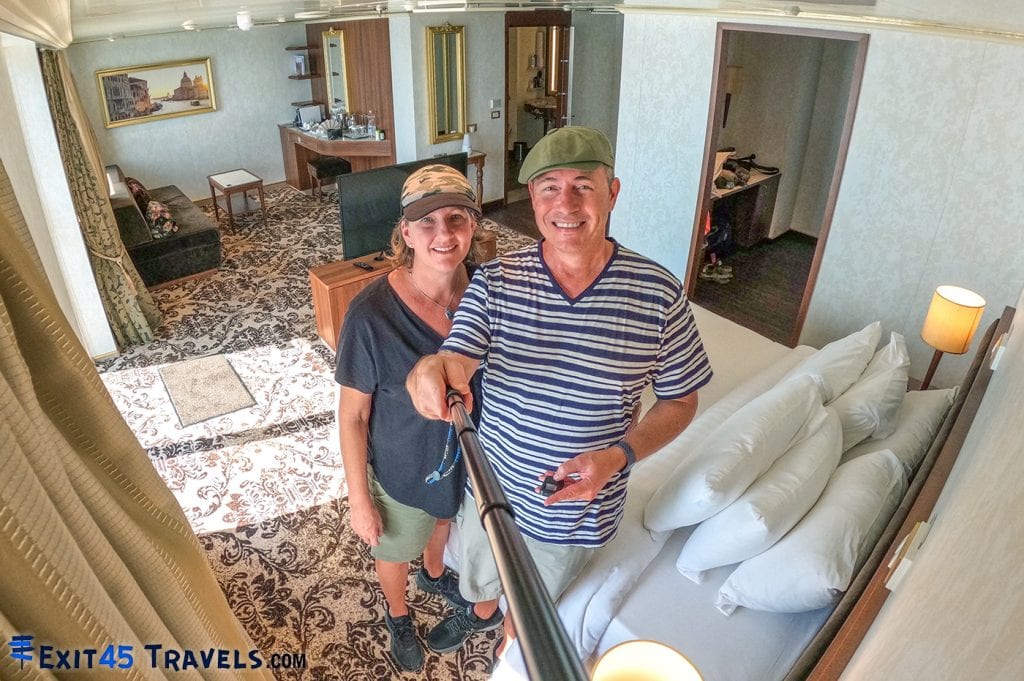
Our Simple System For Finding Affordable Accommodation Anywhere
Everything we’ve covered comes back to this.
Over the years, we stopped approaching accommodation as a series of random bookings and started following the same process every time. It removes guesswork, reduces mistakes, and makes it much easier to find good value consistently.
Step-by-Step Recap
1. Choose your travel destination and timing
Start with the bigger picture. When you travel and how long you stay will influence everything that follows, including availability and pricing.
2. Search across multiple platforms
Look at more than one source. Different platforms show different prices and options, so this step gives you a clearer view of what’s actually available.
3. Compare and message before booking
Don’t rush into booking. Compare similar properties and reach out directly where possible. Asking a simple question about pricing or availability can lead to a better deal.
4. Evaluate location and overall value
Look beyond the nightly rate. Consider how the location, amenities, and setup will affect your day-to-day spending.
5. Book longer stays when possible
Once you find a place that works, staying longer usually leads to better pricing and a more comfortable experience.
This process doesn’t change much from one destination to another. Whether you’re in Southeast Asia, Europe, or somewhere new, the same approach applies.
FAQs: Finding Affordable Accommodation While Travelling
Now that you have read how we find affordable accommodation anywhere in the world, you might still have a few questions. Don’t worry, we’ve got you covered! Here are some frequently asked questions about long-term travel accommodation.
What is the cheapest type of accommodation when travelling?
The cheapest option depends on how flexible you are. House sitting and work exchanges can reduce your cost to almost zero. For paid options, hostels, guesthouses, and long-term apartment rentals tend to be more affordable than hotels, especially if you stay longer.
Is Airbnb cheaper than hotels?
It can be, but not always. Airbnb is often better for longer stays or when you want an apartment with a kitchen. For short stays, hotels or guesthouses can sometimes be cheaper, especially when you factor in cleaning and service fees.
How far in advance should you book accommodation?
It depends on the destination and season. In busy periods or popular locations, booking earlier gives you more choice and better pricing. In quieter periods, you can be more flexible and sometimes find good deals closer to your travel dates, or even when you arrive.
How do digital nomads find cheap accommodation?
Most digital nomads use a mix of strategies rather than relying on one platform. This usually includes checking multiple booking sites, contacting properties directly, using Facebook groups, and negotiating for longer stays.
Can you really stay somewhere for free?
Yes, but it depends on your approach. House sitting, work exchanges, and staying with family or friends can all reduce accommodation costs significantly. These options aren’t always available, but they can be useful as part of a broader strategy.
Is it cheaper to book accommodation in advance or last minute?
It depends on the destination and season. For popular places and peak travel periods, booking early usually gives you better choice and pricing. In quieter locations in less busy times, last-minute deals can often work out well.
How do you negotiate accommodation prices when travelling?
The simplest way is to ask. This works best for longer stays or when speaking directly with the property. In person is often easier, especially if you’re planning to stay for a few weeks or more. Being polite, flexible, and clear about your dates helps.
What is the best way to find long-term accommodation abroad?
Start with booking platforms to understand pricing, then look at local options like Facebook groups or direct contact with properties. If possible, book a short stay first and then search locally for better long-term deals.
In Summary: Affordable Travel Comes Down To Strategy, Not Luck
After years of full-time travel, this is what we’ve come to realise. Affordable accommodation isn’t about finding one great deal. It’s not about using a single platform or relying on luck.
It comes down to having a clear approach and applying it consistently.
When you:
- Think in weeks or months instead of nights
- Compare options instead of booking the first place you see
- Look beyond hotels
- Pay attention to location and timing
- Take the time to message or negotiate
…your results start to change.
You don’t need to compromise on comfort or location to keep your costs down. You just need to approach accommodation differently.
For us, this shift, from random bookings to a repeatable system, has made one of the biggest differences to how we travel. It’s allowed us to stay longer, spend less, and avoid many of the common frustrations that come with booking accommodation on the go.
If you take one thing from this guide, let it be this: Accommodation is a system, not a one-off decision.
Try applying this approach on your next trip. Even small changes in how you search and book can lead to noticeable savings over time.
Are you deciding whether nomadic retirement is right for you or are you currently a nomad? Have we missed anything we should add to this list or do you still have questions? Feel free to contact us on Facebook or via email and let us know.
You Might Also Like
If you’re planning longer-term travel or thinking about a nomadic lifestyle, these guides will help you go deeper:
👉 How to Plan Your Nomadic Retirement and Build a Long-Term Travel Strategy
If you’re trying to figure out how all the pieces fit together i.e. budget, destinations, and lifestyle, this is where to start.
👉 Our Approach to Slow Travel (And Why It Saves Us Money)
We didn’t always travel this way. Slowing down changed both our costs and overall experience.
👉 How We Use Geoarbitrage to Make Our Money Go Further
One of the biggest factors in keeping costs down isn’t how you book, it’s where you choose to live.
👉 How to Choose the Right Travel Destination for Your Budget and Travel Style
Not every destination works for every traveller. This will help you narrow down your options.
👉 What Full-Time Travel Is Really Like (Before You Commit)
The reality of full-time travel is different from what most people expect. This will help you decide if it’s right for you.
DISCLAIMER: This article contains affiliate links and Nomadic Retirement Travel are a participant in the Amazon Services LLC Associates Program. That means if you click a link and make a purchase, we make a small commission at no extra cost to you. Please see our disclosure policy for more information.
