
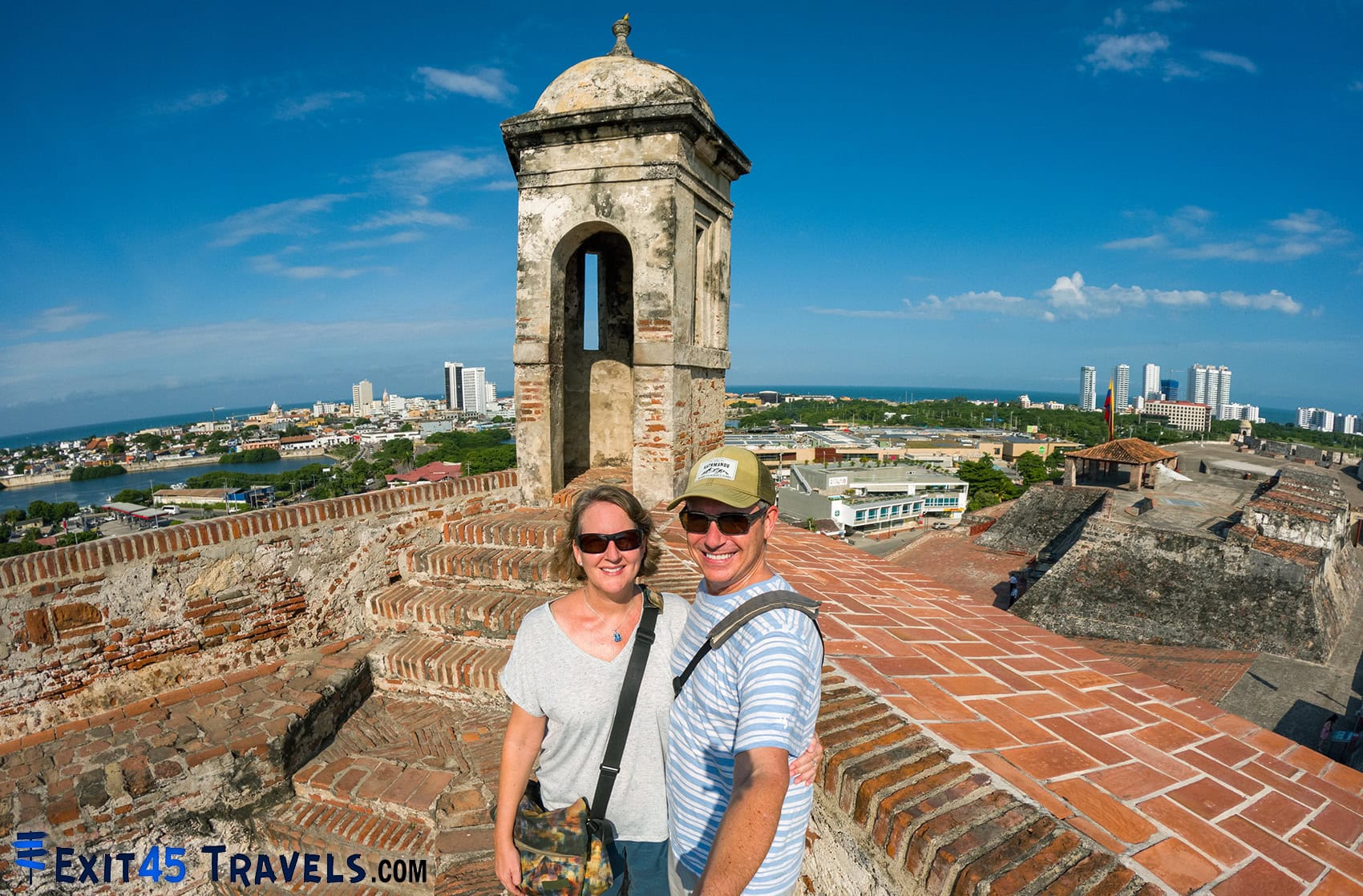
The Best Slow Travel Destinations (By Region)

Discover the best slow travel destinations by region, plus practical tips to choose the right base for long-term travel and easy daily living.
When we first started travelling full-time back in 2018, we made the same mistake many people do. We tried to see everything, moving from place to place every few days, ticking off destinations as fast as we could. At the time, it felt exciting. But after a few months, it caught up with us. We were tired, constantly planning, and not really getting the best experience of the places we were visiting.
This is especially true if you’re looking for the best places to base yourself for a month or longer.
It wasn’t until we slowed down, spending longer stretches in one place, that things started to change. Instead of rushing through highlights, we found ourselves settling into a routine. We had our regular coffee spots, favourite walking routes, and local supermarkets. Travel began to feel less like a constant transition and more like everyday life.
That shift is really what slow travel is about. It’s not just staying longer in a destination. It’s about choosing places where daily life feels easy, where you can build a rhythm, and where you’d actually want to spend a month or more.
In this post, we’re not listing every popular destination you’ve already seen elsewhere. Instead, we’re focusing on slow travel destinations that actually work as a base. These areplaces we’ve experienced ourselves, or that consistently offer the kind of lifestyle long-term travellers are looking for.
What Makes a Good Slow Travel Destination?
Before getting into specific locations, it’s worth stepping back for a minute.
One of the biggest mistakes we made early on was choosing destinations based on how they looked online or what there was to ‘see and do’. That works fine for a short trip, but it doesn’t hold up when you’re staying somewhere for a month or longer.
Slow Travel Isn’t About Budget — It’s About Lifestyle Fit
There’s a common assumption that slow travel is all about saving money. While it often can be more affordable, that’s not really the point.
What matters more is how easy life feels day to day.
If you’re new to the concept of slow travel, understanding the broader idea of a slow travel lifestyle can help put this into context.
Can you:
- Walk to a supermarket or local market?
- Find a few cafés you actually want to return to?
- Get around without constantly relying on taxis?
- Settle into a routine without friction?
We’ve stayed in places that were cheap but didn’t work for us long-term, and others that cost a bit more but felt effortless to live in. For example, we love the Philippines and have spent a lot of time there over the years. However, it is not always easy to find quality produce, there are frequent electrical blackouts, and the infrastructure is poor in some areas.
Over time, we’ve learnt to prioritise ease of living over price alone.
Base vs Destination (Most People Get This Wrong)
Some places are fantastic to visit, but not great to live in for an extended period.
Think of busy tourist hubs or cities where everything revolves around short-term visitors. They can be exciting for a few days, but after a couple of weeks, the crowds, noise, and constant movement can become draining.
A good slow travel destination is different. It needs to function as a base, not just a highlight.
In practical terms, it needs reliable infrastructure, access to everyday essentials, and a pace you can sustain.
We now ask ourselves a simple question: Could we comfortably live here for a month or more?If the answer is no, it’s probably not the right fit for slow travel.
Why ‘Boring’ Can Actually Be A Good Thing
This is something we didn’t expect at all when we first started.
The places that work best for slow travel are often not the most exciting at first glance. In fact, they can feel a bit ‘quiet’ or even slightly dull when you arrive.
But that’s usually a good sign.
It means you’re not constantly distracted, you can settle into a rhythm, and daily life becomes simple and predictable.
For us, those are the places where we relax the most and end up staying longer than planned. Especially as full-time retired nomads, that sense of normality becomes more important than ticking off attractions.
Our Personal Filter (What We Look For Now)
Over the years, we’ve simplified how we choose where to stay.
Instead of long checklists, we come back to a few practical questions:
- Could we stay here for at least a month?
- Does daily life feel easy within the first few days?
- Can we see ourselves coming back again?
That last one has become the most important.
Some places are great once. Others are the kind of places we’d actually come back to again and again. Those are the ones that tend to work best for slow travel.
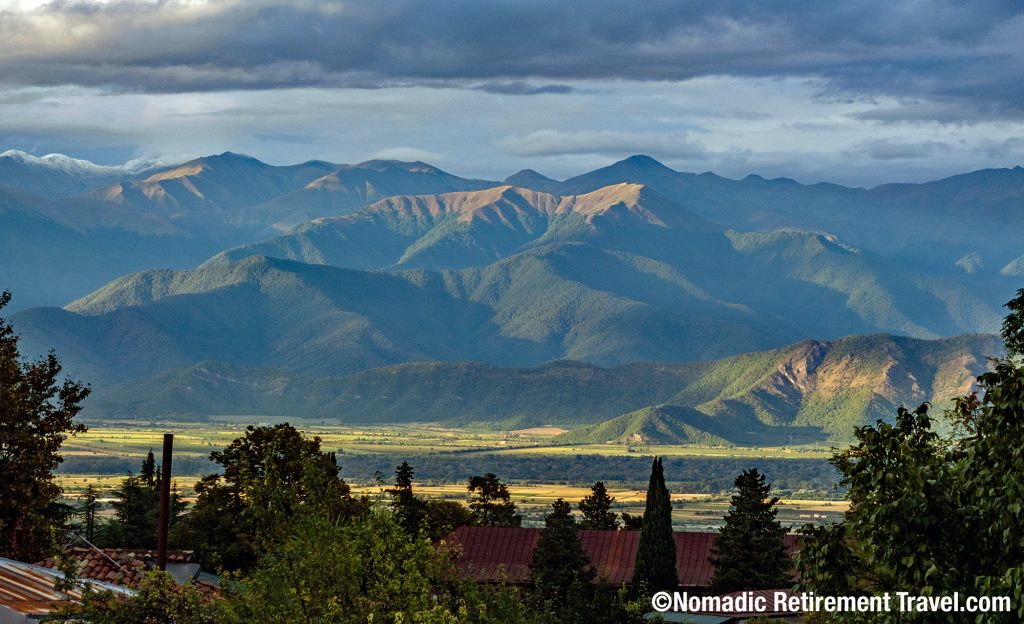
Best Slow Travel Destinations in Asia
Asia is one of the easiest regions in the world to settle into for slow travel. Costs are generally lower, infrastructure is improving rapidly, and there’s a wide mix of lifestyles depending on what you’re looking for. The key is choosing a country where daily life feels manageable, not just interesting.
Vietnam (Best All-Rounder for Ease and Value)
If we had to pick one country that consistently works for slow travel, Vietnam would be high on the list.
Places like Da Nang strike a really good balance. You’ve got a walkable city, easy access to the beach, plenty of local food options, and a cost of living that makes longer stays realistic. What stands out most, though, is how simple daily life feels once you settle in.
A typical day might involve a morning walk along the beach, a local coffee, picking up groceries nearby, and not needing to plan much beyond that. That’s exactly what you want in a long-term base.
Pros:
- Affordable for long stays
- Good mix of city and beach lifestyle
- Easy day-to-day routine
- Great quality fresh produce
Cons:
- Traffic can take some getting used to
- Noise /air pollution can be an issue
- Language barrier in some areas
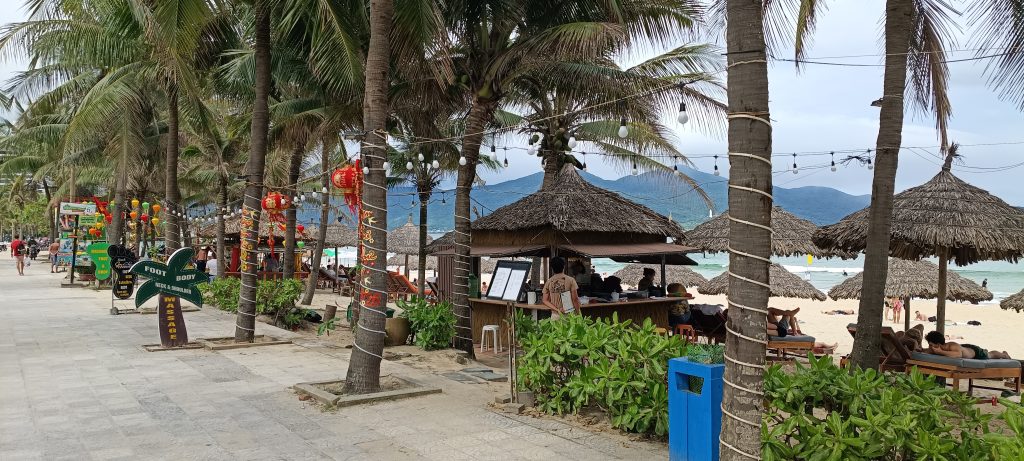
Thailand (Best for Lifestyle Balance and Variety)
Personally, Thailand is our favourite place to slow travel as it is one of those countries where it’s easy to adjust your lifestyle depending on what you need at the time. Whether you want something more relaxed or a bit more structured, there’s usually a place that fits.
You can base yourself somewhere like Koh Samui if you want a slower island routine, or Chiang Mai if you prefer a more established setup with a strong expat community. Both offer very different experiences, but they work equally well for longer stays.
We’ve spent a lot of time in Thailand over the years, and it’s one of those places we keep coming back to. Once you settle in, daily life becomes straightforward, which makes it ideal for slow travel.
Pros:
- Wide variety of locations to suit different lifestyles
- Well set up for long-term travellers
- Good balance between comfort and affordability
- Easy access to international supermarkets
Cons:
- Some areas can feel overly touristy
- Seasonal weather can influence where you stay
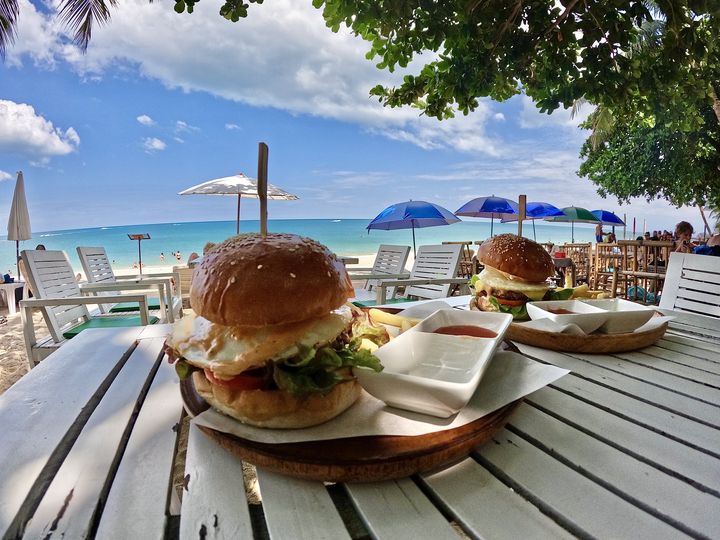
Malaysia (Best for Comfort and Infrastructure)
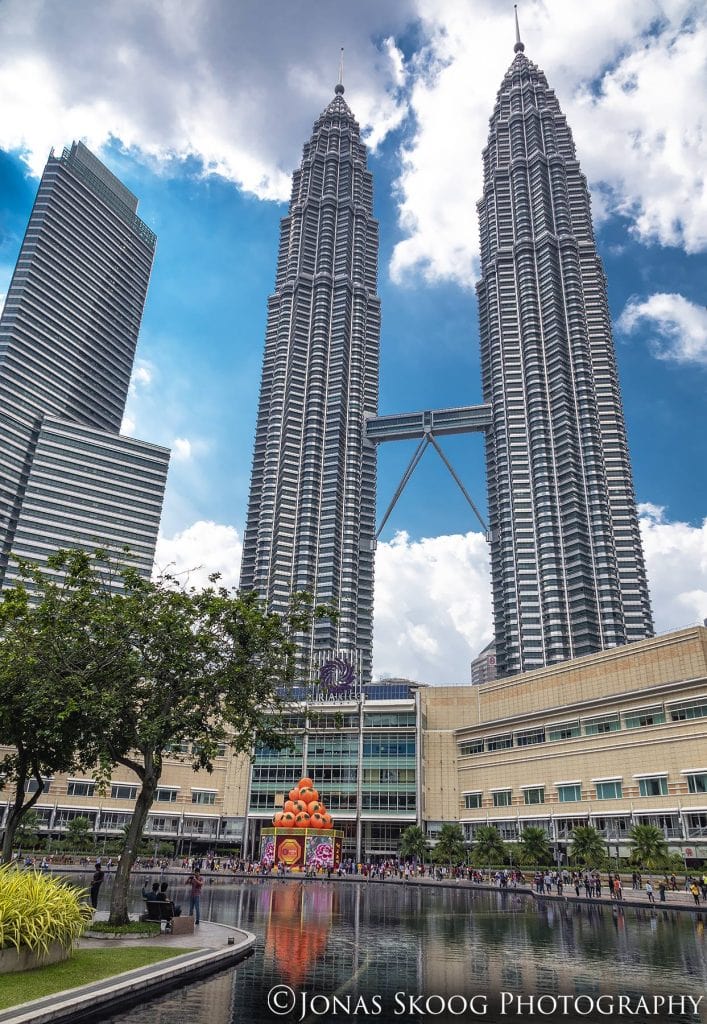
Malaysia tends to get overlooked, but it’s one of the easiest places in Asia to live day-to-day. If you value convenience and reliability, it’s a strong option.
Cities like Kuala Lumpur and Penang offer a more structured environment, with good public transport, modern amenities, and access to quality healthcare. It’s the kind of place where you don’t have to think too much about logistics, which can be a big advantage during longer stays.
It may not stand out at first as other destinations, but over time, that ease of living becomes more important.
Pros:
- Reliable infrastructure and healthcare
- Easy to navigate daily life
- Comfortable for longer stays
Cons:
- Less character compared to other destinations
- Feels more urban than immersive in some areas
Best Slow Travel Destinations in Europe
Europe can be a bit more varied when it comes to slow travel. Costs are generally higher than Asia, but the trade-off is strong infrastructure, walkable cities, and a lifestyle that can feel very easy once you find the right base.
The key here is choosing smaller cities or regions where daily life isn’t dominated by tourism.
Portugal (Best for First-Time Slow Travellers)
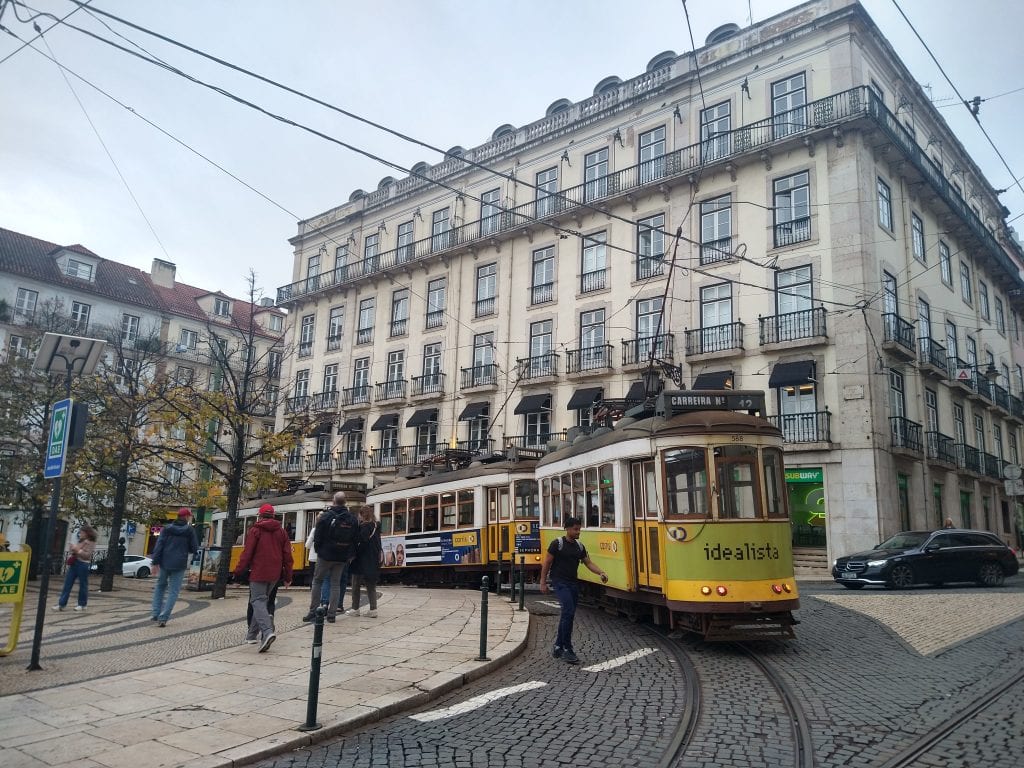
Portugal is often recommended for a reason. It’s one of the easiest places in Europe to get started with slow travel.
Cities like Lisbon and Porto, as well as smaller towns, offer a good mix of familiarity and culture. English is widely spoken, transport is reliable, and settling in doesn’t feel complicated.
For many people, it’s a comfortable first step into longer-term travel in Europe.
Pros:
- Easy to navigate and settle into
- Good infrastructure and transport
- Widely spoken English
Cons:
- Popular areas can feel crowded
- Costs have increased in recent years
Spain (Best for Lifestyle and Climate)
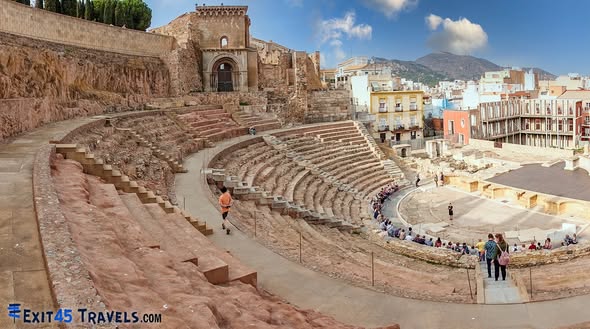
Spain is one of the easiest countries in Europe to adapt to, especially if lifestyle and climate are high on your list.
In southern Spain, you’ll find smaller cities and towns where life moves at a steady pace. There’s a strong café culture, walkable streets, and a rhythm to the day that suits slow travel well.
It’s the kind of place where you naturally fall into a routine without trying too hard.
Pros:
- Excellent climate, especially in the south
- Strong daily lifestyle (cafés, walking, outdoor living)
- Good balance between local life and convenience
Cons:
- Can be more expensive than other regions
- Bureaucracy can be slow at times
Georgia (Best for Affordability and Simplicity)
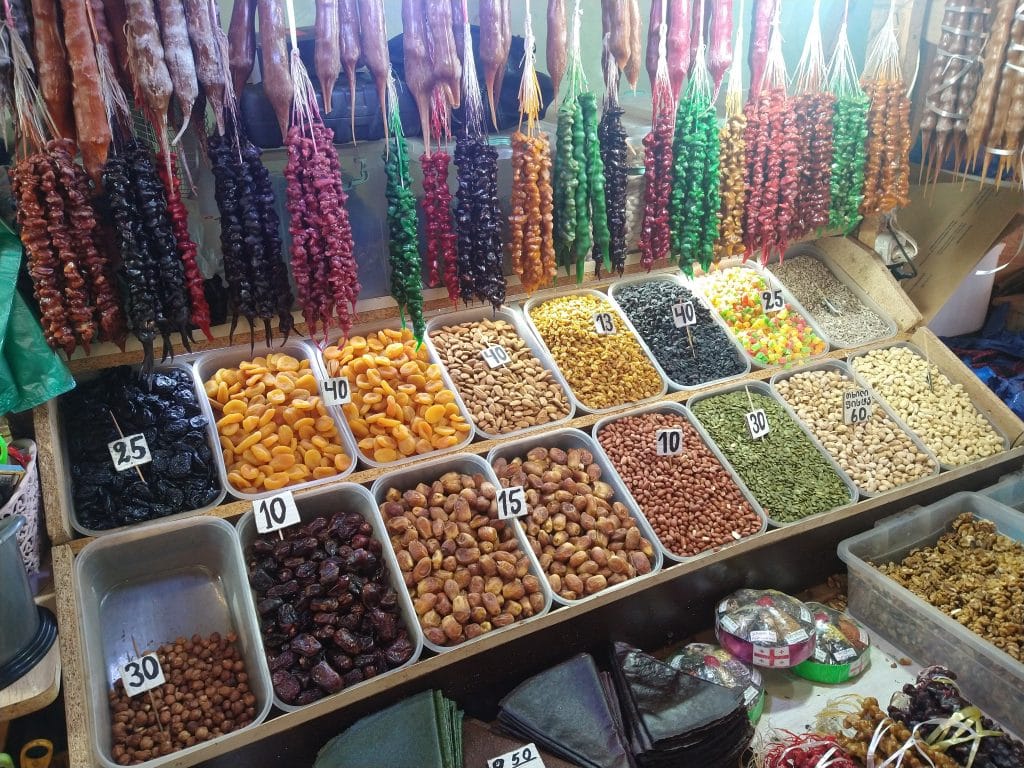
Georgia is one of those countries that doesn’t get as much attention, but works surprisingly well for longer stays, especially if you’re looking for something straightforward and affordable.
We’ve spent quite a bit of time in Kutaisi, and what stood out most was how easy it was to settle in. It’s not a place packed with attractions, but that’s part of the appeal. You can quickly find your routine, get to know the area, and just live day-to-day without much effort.
Pros:
- Very affordable cost of living
- Simple, slower pace of life
- Easy to settle into a routine
- Friendly locals
Cons:
- Limited infrastructure compared to Western Europe
- Fewer entertainment and dining options
- Language can be a barrier at times
Best Slow Travel Destinations in Latin America
Latin America can be a great option for slow travel if you’re looking for a balance between lifestyle, culture, and affordability. It does require a bit more adjustment than places like Southeast Asia or Europe, but once you find the right base, it can work very well for longer stays.
The key is choosing locations where day-to-day life feels manageable and not overly complex.
Colombia (Best for City-Based Slow Travel)
Colombia has become a popular choice for longer stays, particularly for those who prefer a city environment with good infrastructure.
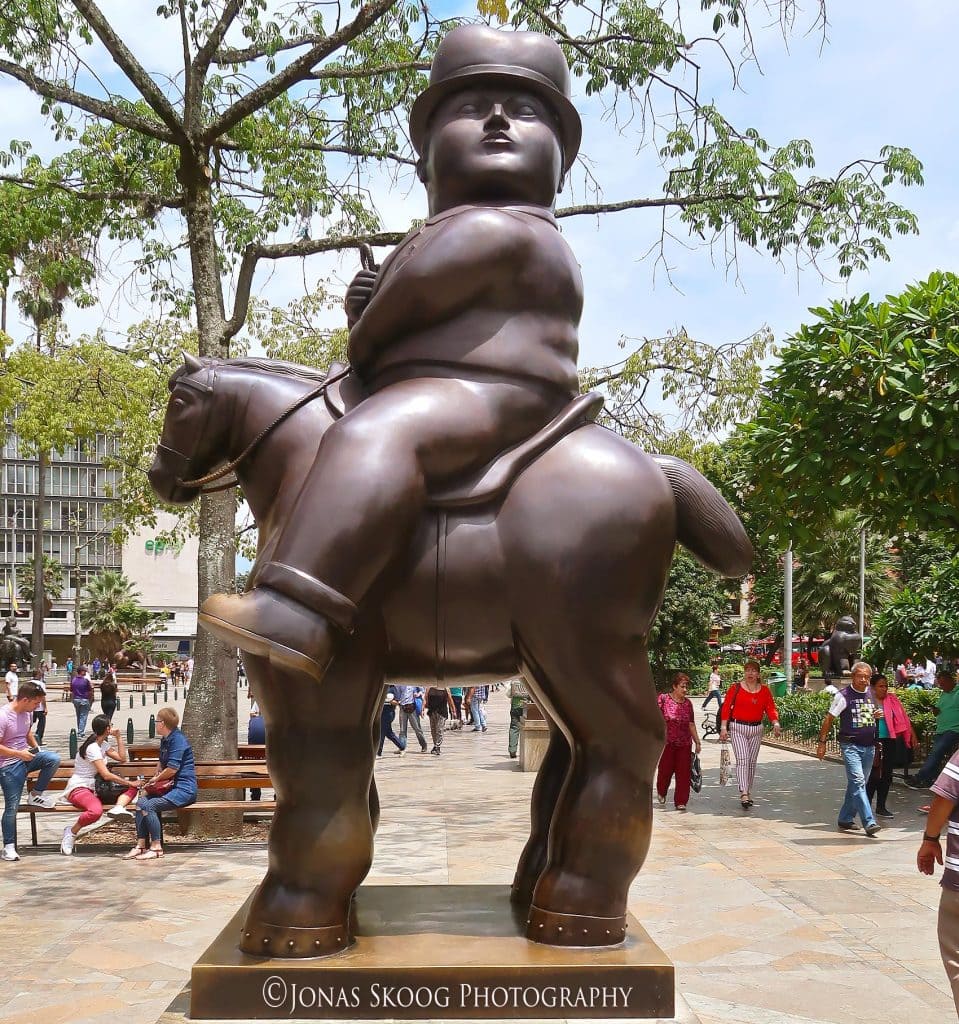
Medellín is often the go-to base. It offers a very consistent, mild climate, reliable internet, a well-connected metro system, and neighbourhoods where you can settle into a routine quite easily. There’s enough going on to keep things interesting, without it feeling overwhelming once you’ve been there a while.
Pros:
- Good infrastructure and transport
- Strong café and social culture
- Comfortable for longer city stays
Cons:
- Safety varies by area
- Can feel busy depending on where you stay
- English is not widely spoken
Guatemala (Best for Slower, Smaller Town Living)
If you prefer a quieter, slower-paced environment, Guatemala is worth considering.
Antigua is one of the better-known bases, but it works well for a reason. It’s compact, walkable, and easy to navigate. Daily life is simple, and you can settle into a routine without much effort.
It’s not a place with endless variety, but that’s often what makes it suitable for slow travel.
Pros:
- Walkable and easy to get around
- Strong sense of community
- Slower pace of life
Cons:
- Limited infrastructure compared to larger cities
- Fewer long-term amenities
Mexico (Best for Accessibility and Variety)
Mexico offers a wide range of options, which makes it one of the more flexible countries for slow travel.
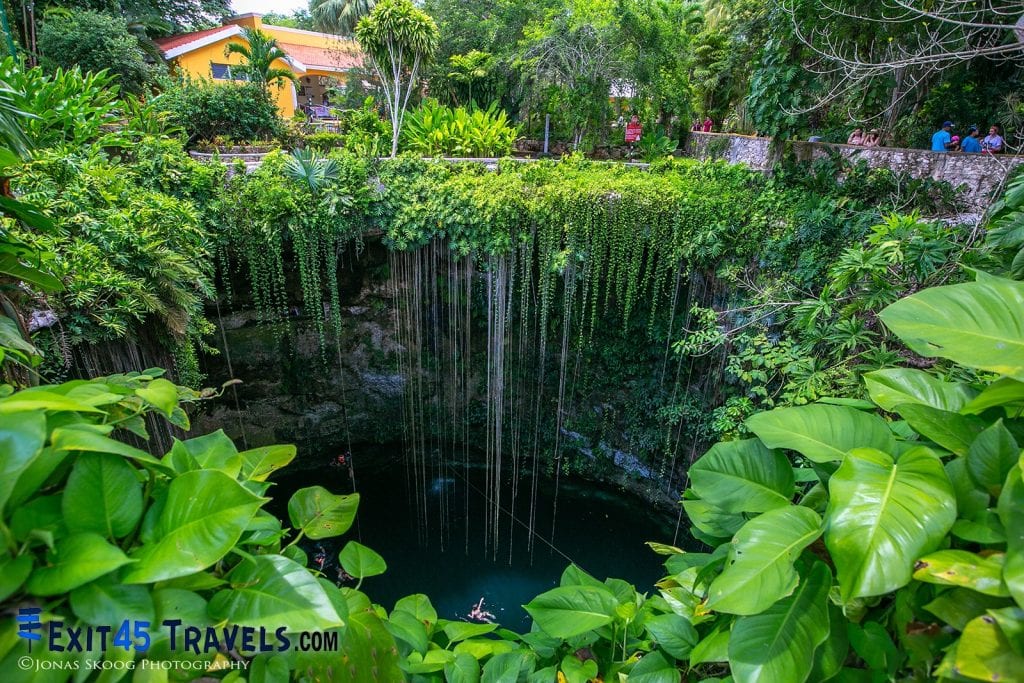
Places like Playa del Carmen are easy to settle into, especially if you’re looking for something familiar with solid infrastructure. At the same time, areas like Lake Chapala offer a quieter, more residential feel for longer stays.
The variety means you can adjust your lifestyle depending on what you need.
Pros:
- Wide range of locations and lifestyles
- Good accessibility from many countries
- Established expat communities
Cons:
- Quality of infrastructure varies by location
- Some areas can feel heavily tourist-focused
A Few Underrated Places Worth Considering
Not every slow travel destination needs to be a well-known hotspot. In fact, some of the places that work best long-term are the ones that don’t get talked about as much.
These are the kinds of places that may not stand out at first, but over time, they tend to offer a more sustainable and comfortable way to live.
Australia (Our Home Base)
Having a return / home base can make a big difference when you’re travelling long-term, and for us, the Sunshine Coast in Queensland fills that role.
When we are there, it’s not about exploring something new. It’s about spending time with family and friends, somewhere familiar where life feels easy and we can reset for our next year for travel. We already know where everything is, we don’t need to adjust, and we can fully relax.
This kind of base can be especially valuable if you’re travelling for extended periods each year.
Pros:
- Calm, structured daily routine
- High standard of living
- Great for longer resets between travel periods
Cons:
- More expensive than many international destinations
- Less of a ‘travel’ experience

Sweden (Our Second Home Base)
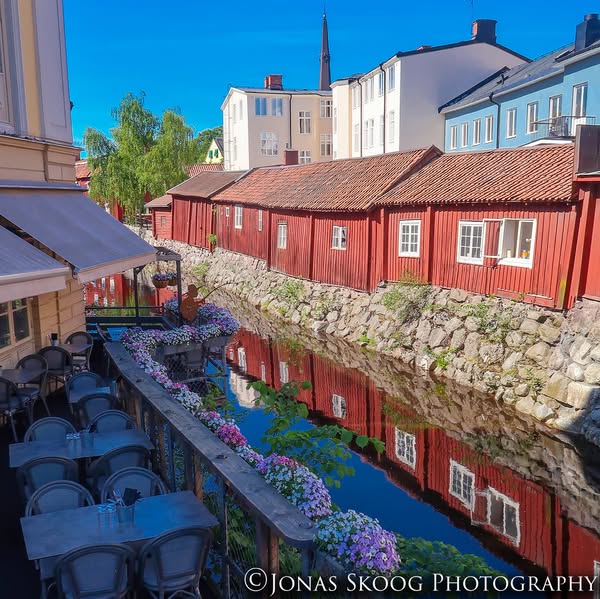
For us, Västerås works well because of family connections, but it also highlights something important about slow travel. Sometimes the best base isn’t about the destination itself, but the lifestyle it supports.
Life here is structured, predictable, and very easy to settle into. There’s access to nature, reliable infrastructure, and a slower pace that makes it ideal for recharging between more active travel periods.
Pros:
- Familiar and easy to settle into
- Very high quality of life
- Strong infrastructure
Cons:
- Higher cost of living
- Weather can be challenging depending on the season
Not All Great Destinations Work for Slow Travel
It’s easy to assume that if a place is popular or highly rated, it will automatically work for slow travel. We’ve found that’s not always the case.
Some destinations are fantastic for a short visit, but once you try to stay longer, the cracks start to show.
Over-Touristed Doesn’t Mean Liveable
Places built around tourism often feel exciting at first. There’s plenty happening, lots to see, and a constant buzz.
But after a couple of weeks, that same energy can become tiring. Prices are usually higher, everyday places feel geared towards visitors rather than residents, and it’s harder to settle into any kind of normal routine.
Logistics Matter More Than You Think
When you’re somewhere for a few days, you can overlook small inconveniences. Over time, those same things become part of your daily life.
If getting groceries is a hassle, or you need to rely on taxis to get anywhere, it starts to wear on you. The same goes for places where everything just feels a bit harder than it should be. Slow travel works best when daily life feels straightforward, not something you have to constantly manage.
Energy Levels vs Liveability
Some places have a pace that’s hard to sustain long-term. Busy cities, constant movement, noise… It can be great in short bursts, but it’s not always what you want every day.
We’ve learnt that it’s better to choose places where you can settle into your own rhythm, rather than trying to keep up with the environment around you.
A Simple Reality Check We Use
Before committing to a longer stay, we’ve started paying attention to how a place feels within the first few days.
If we can already picture a normal routine i.e. where we’d shop, where we’d go for a walk, and how we’d structure a typical day, it’s usually a good sign. If everything still feels uncertain or slightly difficult, that tends to carry through the rest of the stay.
How to Choose the Right Slow Travel Destination for You
By this point, you’ve probably realised there isn’t a single ‘best’ place for slow travel. What works well for one person can feel completely wrong for someone else.
The goal isn’t to find the perfect destination. It’s to find a place that fits how you want to live day to day.
Start With Lifestyle, Not Location
It’s easy to begin with a country or city in mind, but we’ve found it works better to think about lifestyle first.
Do you want to be near the beach, or would you rather be in a walkable city? Are you looking for somewhere social, or somewhere quieter where you can settle into your own routine?
Once you’re clear on that, it becomes much easier to narrow down where to go. The destination should support your lifestyle, not define it.
If budget is part of that decision, we’ve also broken down some of the best slow travel destinations under $3000 per month to help you narrow things down further.
Test It Before You Commit
Even if a place looks perfect on paper, it can feel very different once you’re there.
We’ve learnt to treat the first stay as a trial. A couple of weeks is usually enough to get a sense of whether it works for us. If it does, we extend. If not, we move on without feeling locked in.
That flexibility removes pressure and helps avoid committing to the wrong place.
Pay Attention to Daily Life
The biggest shift with slow travel is moving away from thinking about highlights and focusing on everyday life.
What matters more is how your day unfolds. Where you’ll get your coffee. How easy it is to buy groceries. Whether you enjoy just being there without needing to constantly go out and explore.
If those small, everyday things feel easy, the destination is likely a good fit.
FAQs: Slow Travel Destinations
Now that you have explored the best slow travel destinations by region, you might still have a few questions. Don’t worry, we’ve got you covered! Here are some frequently asked questions about the best countries for slow travel.
What are the best places for slow travel?
The best places for slow travel are locations where it is easy to love day-to-day i.e. good walkability, access to essentials, and a pace you can sustain for weeks or months.
How do I choose a slow travel destination?
Focus on lifestyle first. Think about your preferred pace, environment, and daily routine, then choose a destination that supports how you want to live.
Where should I base myself for slow travel?
Choose a place with reliable infrastructure, easy access to groceries and transport, and somewhere you can see yourself staying for at least a month.
What are the best slow travel destinations in Asia?
Countries like Vietnam, Thailand, and Malaysia work well due to affordability, infrastructure, and the ease of settling into a daily routine.
What are the best countries for slow travel in Europe?
Portugal, Spain, Georgia, and Italy are popular for their lifestyle, walkability, and ability to support longer stays without feeling overwhelming.
What are the best places for slow travel in Latin America?
Mexico, Colombia, and Guatemala are strong options, offering a mix of affordability, culture, and locations that work well for longer stays.
What are the best places to stay for a month or longer?
Look for destinations with good infrastructure, comfortable accommodation options, and a lifestyle that supports routine rather than constant movement.
Is slow travel only for retirees?
No, but it suits retirees well. The slower pace, flexibility, and focus on daily life make it ideal for those not tied to a fixed schedule.
What are the best places for slow travel over 50?
Places with good healthcare, safety, and ease of living such as Portugal, Thailand, and Malaysia, tend to work well for travellers over 50.
What makes a destination good for long-term travel?
It comes down to liveability — how easy it is to manage everyday tasks, build a routine, and feel comfortable staying longer without stress.
In Summary: Best Places For Slow Travel
The best slow travel destinations aren’t always the ones you see on every list. They’re the places where life feels manageable, where you can settle into a routine, and where you don’t feel the need to keep moving.
For us, that’s meant returning to places like Da Nang, Koh Samui, Kutaisi, and spending time with family in Sweden and Australia. Not because they’re perfect, but because they work.
If you’re thinking about slow travel, try looking at destinations a little differently. Instead of asking where you want to go, ask where you could see yourself living for a while.
That shift in thinking tends to lead you to much better choices. In most cases, the best places are the ones you’d happily return to without needing to see anything new.
Are you planning a nomadic life or are you currently a nomad? Have we missed anything we should add to this list or do you still have questions? Feel free to reach out via Facebook or email – we’re always happy to help.
You Might Also Like
If you’re thinking about slow travel or planning longer stays, these posts will help you take the next step:
- Is Nomadic Retirement For You? 11 Factors To Consider
A practical look at whether this lifestyle fits your goals, finances, and expectations. - The Advantages and Disadvantages of Nomadic Life: Our Personal Experiences
An honest breakdown of what works, what doesn’t, and what surprised us most. - Our Top Slow Travel Tips For Nomadic Retirees
How slowing down not only improves your experience, but also reduces your costs. - Geoarbitrage for Nomadic Retirees: Maximizing Life on a Budget
How choosing the right locations can stretch your budget without sacrificing lifestyle. - How To Pick A Travel Destination: 13 Factors to Consider
A useful guide to choosing destinations that align with your budget and travel style. - Or Start Here:
Your complete guide to planning and living a nomadic retirement lifestyle
DISCLAIMER: This article contains affiliate links and Nomadic Retirement Travel are a participant in the Amazon Services LLC Associates Program. That means if you click a link and make a purchase, we make a small commission at no extra cost to you. Please see our disclosure policy for more information.
