
8 Ways to Be a Traveller Not a Tourist: Slow Travel Tips for Meaningful Experiences

Learn 8 ways to be a traveller not a tourist with slower, more intentional travel habits that help you connect more deeply with destinations.
There’s nothing wrong with being a tourist.
Most of us start that way. We book short trips, try to squeeze in the major sights, follow packed itineraries, and feel pressure to make every day count. When you only have a week or two somewhere, that approach makes sense.
But something changes when travel becomes part of your lifestyle instead of a temporary escape from it.
After enough months or years of long-term travel, many people stop caring about seeing every attraction in a destination. You start noticing different things instead, like which neighbourhood feels comfortable to walk in, which cafés you naturally return to, and where locals actually spend their evenings. That’s usually the point where travel begins feeling less transactional and more personal and intentional.
The phrase ‘be a traveller not a tourist’ often gets framed in a pretentious way online, as though travellers are somehow better than tourists. That’s not what this article is about. You do not need to pretend you’re a local, avoid every popular attraction, or act superior because you took public transport instead of a tour bus.
The real difference often comes down to pace, mindset, and intention.
Fast-moving travel often keeps people focused on seeing and doing as much as possible. You move quickly, see the highlights, take the photos, then move on to the next destination before you’ve had time to settle into the place you just arrived in.
Slower travel creates room for something different. You notice everyday life more. You become more flexible. Familiar routines begin forming naturally. Destinations stop feeling like items on a checklist and start feeling somewhere closer to temporary homes.
That shift is one of the biggest differences we’ve noticed between vacation travel and long-term travel.
Here are some of the habits that helped us stop feeling like tourists all the time while travelling full-time.
How To Be A Traveller Not A Tourist: Key Takeaways
If you’re in a hurry, here’s a quick list of some of the ways you can travel like a traveller, not a tourist:
- Slow down and stay longer in fewer places
- Stop trying to see every attraction in a destination
- Build small everyday routines while travelling
- Spend time outside heavily tourist-focused areas
- Leave room for unplanned experiences and spontaneity
- Learn basic local customs and cultural etiquette
- Return to destinations you genuinely enjoy
- Accept that full-time travel eventually feels more like normal life
- Focus less on ‘country count’ and more on deeper travel experiences
- Remember that intentional travel matters more than trying to ‘look local’
What Does It Mean to Be a Traveller Not a Tourist?
For many people, the difference has very little to do with how you dress, whether you carry a camera, or if you visit popular attractions.
It’s more about how you experience a destination.
Tourists often experience places at surface level because time is limited. There’s pressure to maximise every day, see the major sights, and move quickly from one attraction to the next. That’s understandable when you only have a short holiday.
Long-term travellers usually begin approaching destinations differently over time. The pace slows down. Priorities change. Instead of trying to consume as much as possible, you start paying more attention to everyday life around you.
You notice local routines more easily when you are not rushing through a destination.
That might mean spending a morning at a neighbourhood café instead of trying to visit four attractions before lunch. It could mean shopping at local markets, walking residential streets, or returning to the same restaurant often enough that staff begin recognising you.
None of this makes somebody ‘better’ at travelling.
In fact, one of the most important things to understand is that there’s nothing wrong with being a tourist sometimes. We are now in our 9th year of full-time travel and when staying in more expensive cities, we stay for a shorter period of time and visit famous landmarks, take tours, and do obviously touristy things.
The problem usually is not tourism itself. It’s the constant pressure to move faster, see more, and treat destinations like checklists.
That pace can make travel feel surprisingly exhausting after a while.
Slower, more intentional travel often creates space for experiences that feel more personal and memorable. Conversations happen more naturally. Familiarity develops. You stop feeling like you are only passing through.
For many long-term travellers and nomadic retirees, that shift is where travel begins feeling less like a holiday and more like a sustainable lifestyle.
If you want to travel more deeply without falling into the trap of performative ‘traveller vs tourist’ thinking, these are the habits that tend to make the biggest difference.
8 Ways to Be a Traveller Not a Tourist
Travelling more meaningfully usually has less to do with avoiding tourist attractions and more to do with slowing down, staying curious, and engaging more deeply with the places you visit. These are some of the habits that helped us stop feeling like we were simply passing through destinations and start experiencing them more fully.
1. Stay Longer in Fewer Places
One of the biggest differences between fast tourism and slower, more intentional travel is time.
When you stay somewhere longer, destinations stop feeling like temporary stopovers. You become familiar with local routines, recognise streets without relying on maps constantly, and settle into a more natural rhythm.
Longer stays also remove the pressure to see everything immediately. Instead of rushing between attractions, you have time to explore neighbourhoods, revisit places you enjoy, and leave room for unplanned experiences.
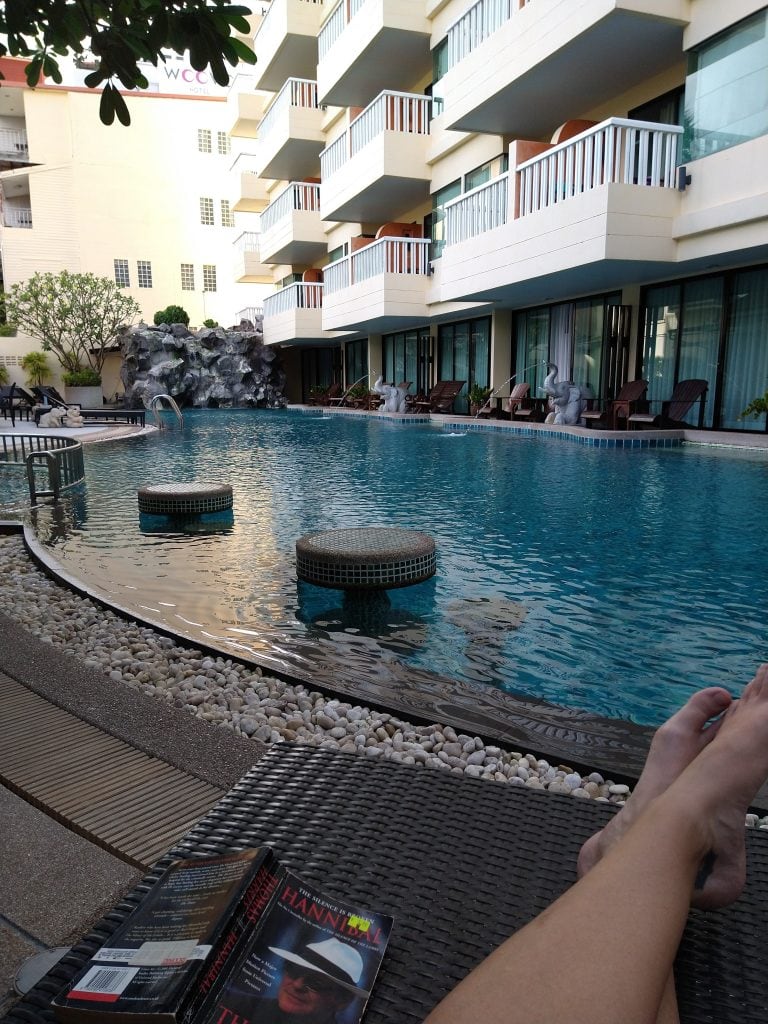
For us, some of the most memorable parts of full-time slow travel came during slower stays in places like Da Nang and Chiang Mai, where everyday life gradually became just as enjoyable as sightseeing.
2. Stop Trying to See Everything
A lot of people travel with the mindset that they need to maximise every day. That usually leads to packed itineraries, attraction fatigue, and feeling rushed the entire trip.
Slower travel works differently.
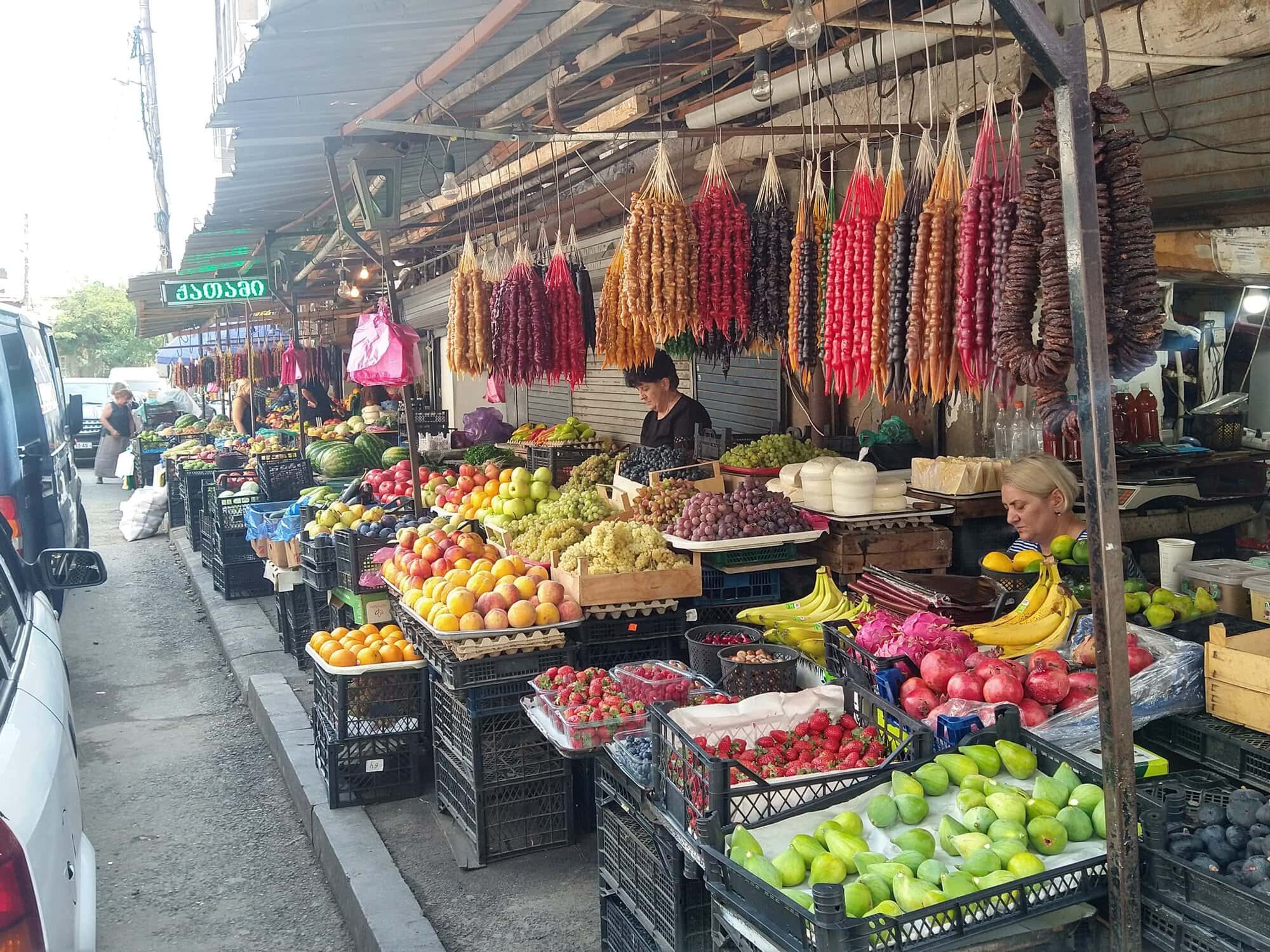
Instead of trying to visit every major sight, focus on experiencing a destination at a more relaxed pace. Leave time for wandering, sitting in cafés, visiting local markets, or simply enjoying a normal day without an agenda.
Many destinations become more memorable when you stop trying to consume every part of them.
3. Build Everyday Routines While Travelling
One of the things that makes long-term travel feel less like tourism is routine.
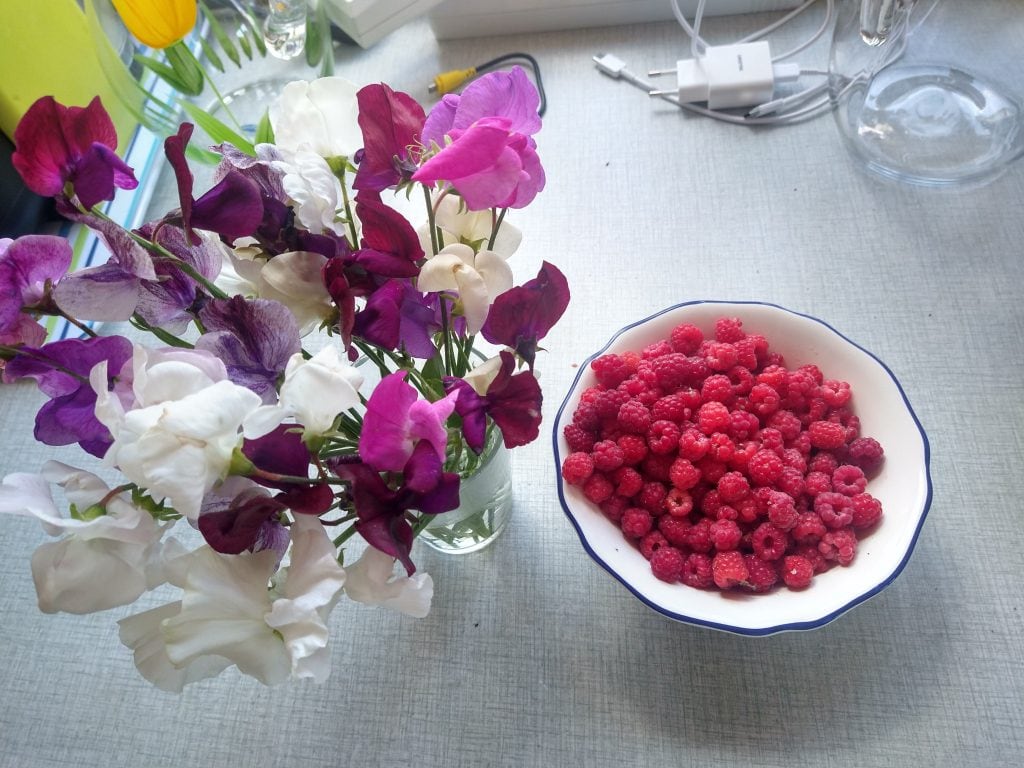
Our day-to-today life as nomads might mean returning to the same coffee shop each morning, shopping at local grocery stores, finding a regular walking route, or joining a local gym for a few weeks.
These small routines create familiarity and help destinations feel more lived in rather than simply visited.
Over time, you often realise that meaningful travel is not only about major experiences. Everyday life abroad becomes part of the appeal too.
4. Spend Time Outside Tourist Areas
Tourist areas can be fun, but they rarely show much of what everyday life in a destination actually feels like.
Some of the best experiences often happen away from the main attraction zones. Local neighbourhoods, smaller cafés, public parks, markets, and residential streets usually feel far more relaxed and authentic.
You do not need to avoid tourist attractions completely. Just balance them with time spent in places where daily life is happening naturally around you.
5. Leave Space for Unplanned Experiences
Over planning keeps many people stuck in ‘tourist mode’.
When every hour is scheduled, there is very little room for spontaneity, local recommendations, or unexpected experiences. Some of the best travel moments happen when plans change or when you simply slow down enough to notice what is around you.
Long-term travel becomes far more enjoyable when you allow flexibility into your schedule instead of trying to optimise every day.
6. Learn Small Cultural Behaviours
You do not need to pretend to live like a local to travel more respectfully.
Simple things often make the biggest difference. Learning a few basic greetings, understanding local etiquette, lowering your voice volume in quieter cultures, or paying attention to dining customs all show awareness and respect.
The goal is not to blend in perfectly. It is to engage with destinations more thoughtfully instead of treating them purely as places to consume.
7. Return to Destinations You Enjoy
A lot of travellers feel pressure to constantly visit somewhere new. Over time, many long-term travellers move away from that mindset.
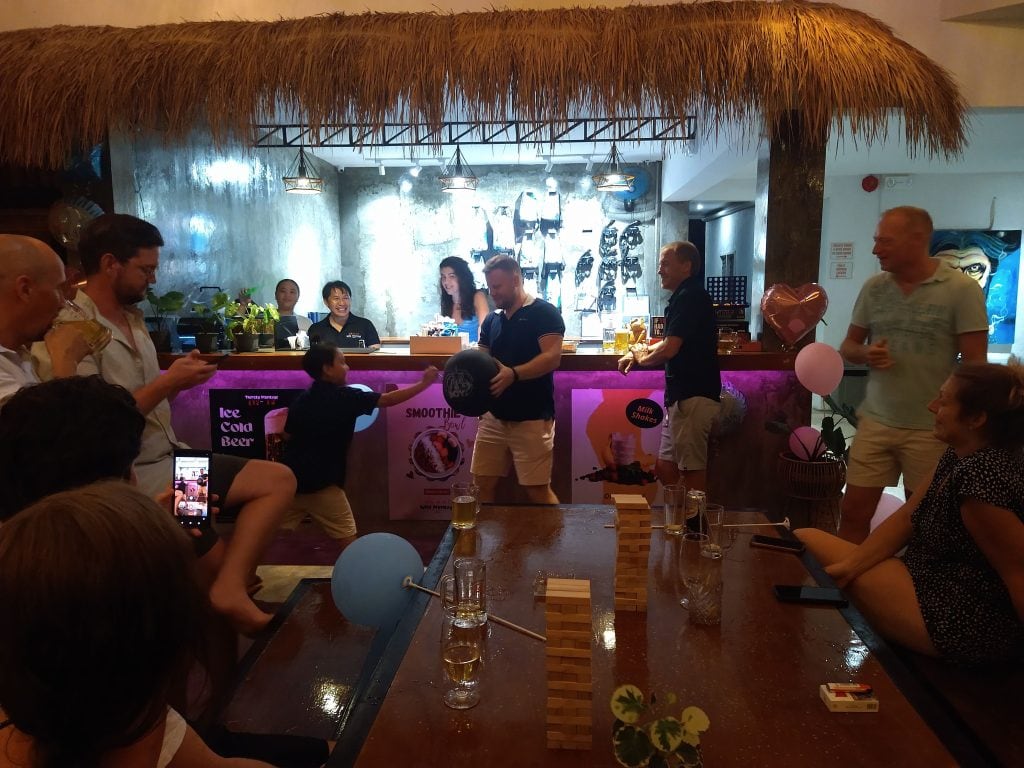
Returning to destinations you already enjoy often creates a deeper connection than constantly chasing new countries. Places begin feeling familiar. You develop favourite cafés, walking routes, restaurants, make friends and routines.
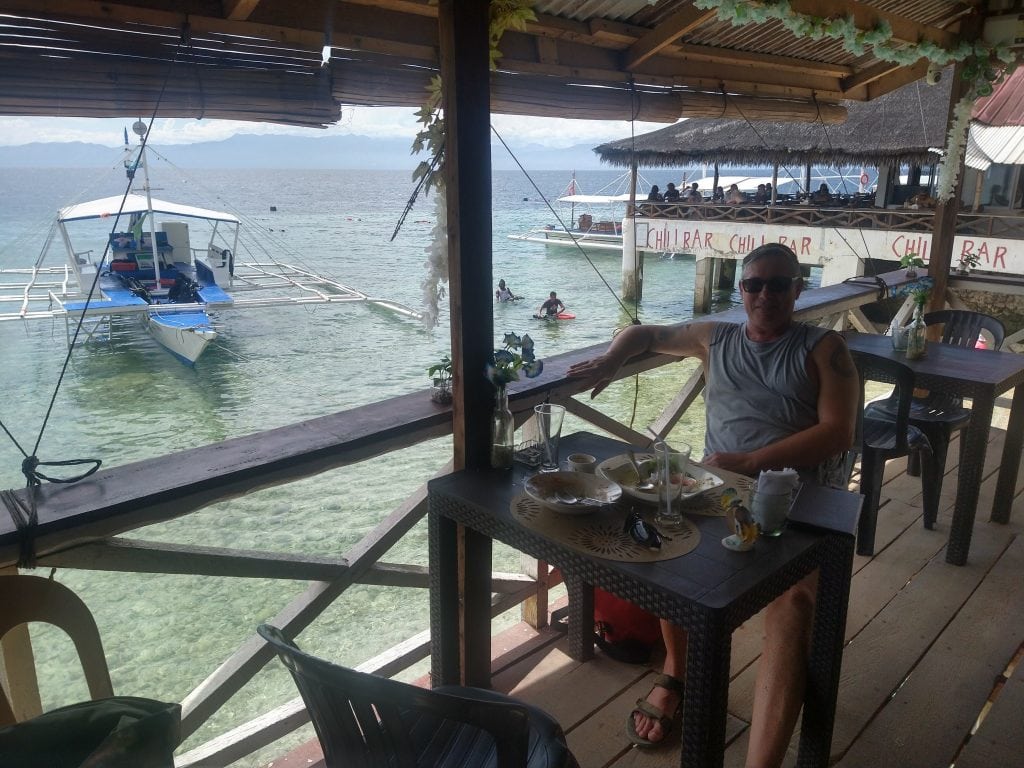
We have found that revisiting destinations like Moalboal in The Philippines and Koh Samui in Thailand has made travel feel far less transactional and far more comfortable over time.
8. Accept That Full-Time Travel Is Still Real Life
One of the biggest shifts during long-term travel is realising that not every day needs to feel exciting.
Eventually, everyday things start mattering more than constant sightseeing. Good internet, comfortable accommodation, walkable neighbourhoods, decent coffee shops, and routines often become bigger priorities than trying to visit every attraction nearby.
That change is not a bad thing. It is usually a sign that travel is becoming more sustainable, grounded, and enjoyable long term.
Why Slow Travel Often Leads to Deeper Travel Experiences
One of the biggest benefits of slower travel is that destinations begin feeling less transactional and more personal.
When you are constantly moving, it is easy to stay disconnected from the places you visit. Travel becomes focused on logistics, planning, transport, and ticking attractions off a list. After a while, that pace can become surprisingly exhausting.
Slower travel creates a different experience.
You have time to settle into routines, revisit places you enjoy, and connect more naturally with travelling and everyday life around you. There is less pressure to constantly ‘do’ something, which often makes travel feel calmer and more sustainable long term.
For many full-time travellers and nomadic retirees, this is where travel starts feeling less like an extended holiday and more like a genuine lifestyle.
FAQs: Traveller vs Tourist
Now that you read how we have tried consciously to become travellers, not tourists, you might still have a few questions. Here are some common questions people have about travelling more intentionally and feeling less like a tourist.
Is there really a difference between a traveller and a tourist?
In many ways, the difference comes down to mindset and pace rather than labels. Tourists often travel on tighter schedules and focus on major attractions, while long-term travellers usually spend more time in fewer places and engage more with everyday local life. There is nothing wrong with being a tourist. Slower travel simply creates different types of experiences.
How can I travel like a traveller instead of a tourist?
The biggest shift is slowing down. Staying longer in destinations, building routines, exploring outside major tourist areas, and leaving room for spontaneity often helps travel feel more meaningful and less transactional. You do not need to avoid attractions or pretend to be local. Curiosity and openness matter far more.
Why does slow travel feel more meaningful?
Slow travel gives you time to settle into a destination instead of rushing through it. When you are not constantly focused on transport, itineraries, and sightseeing, you naturally begin noticing more of everyday life around you. Many travellers find this creates deeper connections and reduces travel burnout.
How long should you stay in one destination?
There is no perfect answer, but many long-term travellers find that staying at least a few weeks in one place creates a much more relaxed and immersive experience than constantly moving every few days. Longer stays also make it easier to build routines and feel more connected to a destination.
Do you need to avoid tourist attractions to travel more authentically?
Not at all. Some tourist attractions are popular for good reason. The goal is not to avoid every tourist activity. It is to balance sightseeing with slower, more intentional experiences that help you engage more deeply with a destination.
Can full-time travel still feel like normal life?
Absolutely. In fact, that often happens naturally over time. Many long-term travellers eventually care less about constantly sightseeing and more about routines, comfort, favourite cafés, local neighbourhoods, and everyday life. That shift is often what makes full-time travel feel more sustainable long term.
In Summary: Be A Traveller Not A Tourist
There is nothing wrong with visiting famous attractions or doing tourist activities while travelling. Most of us that have been travelling long-term still do those things sometimes.
The difference usually comes from how you approach travel overall.
Slowing down and becoming more engaged with everyday life often creates a far deeper travel experience than constantly rushing between destinations.
Over time, many long-term travellers realise they are no longer trying to ‘see everything’. They are simply trying to enjoy where they are.
That shift is often what makes travel feel less like tourism and more like living.
Are you trying to travel more like a traveller and less like a tourist? Or have you already experienced the shift from fast-paced tourism to slower, more meaningful travel? We’d love to hear about your experiences. If you think we missed something or you still have questions about full-time or slow travel, feel free to contact us on Facebook or via email.
You Might Also Like
If you’re interested in slower, more meaningful travel, these posts may help you go deeper into the realities of long-term and nomadic travel:
- Is Nomadic Retirement For You? 11 Factors To Consider
A practical look at whether this lifestyle fits your goals, finances, and expectations. - The Advantages and Disadvantages of Nomadic Life: Our Personal Experiences
An honest breakdown of what works, what doesn’t, and what surprised us most. - Our Top Slow Travel Tips For Nomadic Retirees
How slowing down not only improves your experience, but also reduces your costs. - Geoarbitrage for Nomadic Retirees: Maximizing Life on a Budget
How choosing the right locations can stretch your budget without sacrificing lifestyle. - How To Pick A Travel Destination: 13 Factors to Consider
A useful guide to choosing destinations that align with your budget and travel style. - Or Start Here:
Your complete guide to planning and living a nomadic retirement lifestyle
DISCLAIMER: This article contains affiliate links and Nomadic Retirement Travel are a participant in the Amazon Services LLC Associates Program. That means if you click a link and make a purchase, we make a small commission at no extra cost to you. Please see our disclosure policy for more information.
