
How Much Does Full-Time Travel Cost? Real Monthly Budgets (2026 Guide)

Full-time travel budget breakdown for couples. Learn monthly budgets, hidden expenses, and how to afford long-term travel.
When we first started planning our full-time travel lifestyle back in 2017, one question kept coming up:
How much does it actually cost to travel full-time?
The answers online didn’t give us much clarity.
Some focused on ultra-budget backpacking. Others leaned heavily into a more polished, higher-end version of travel. Neither reflected how we actually wanted to live long-term.
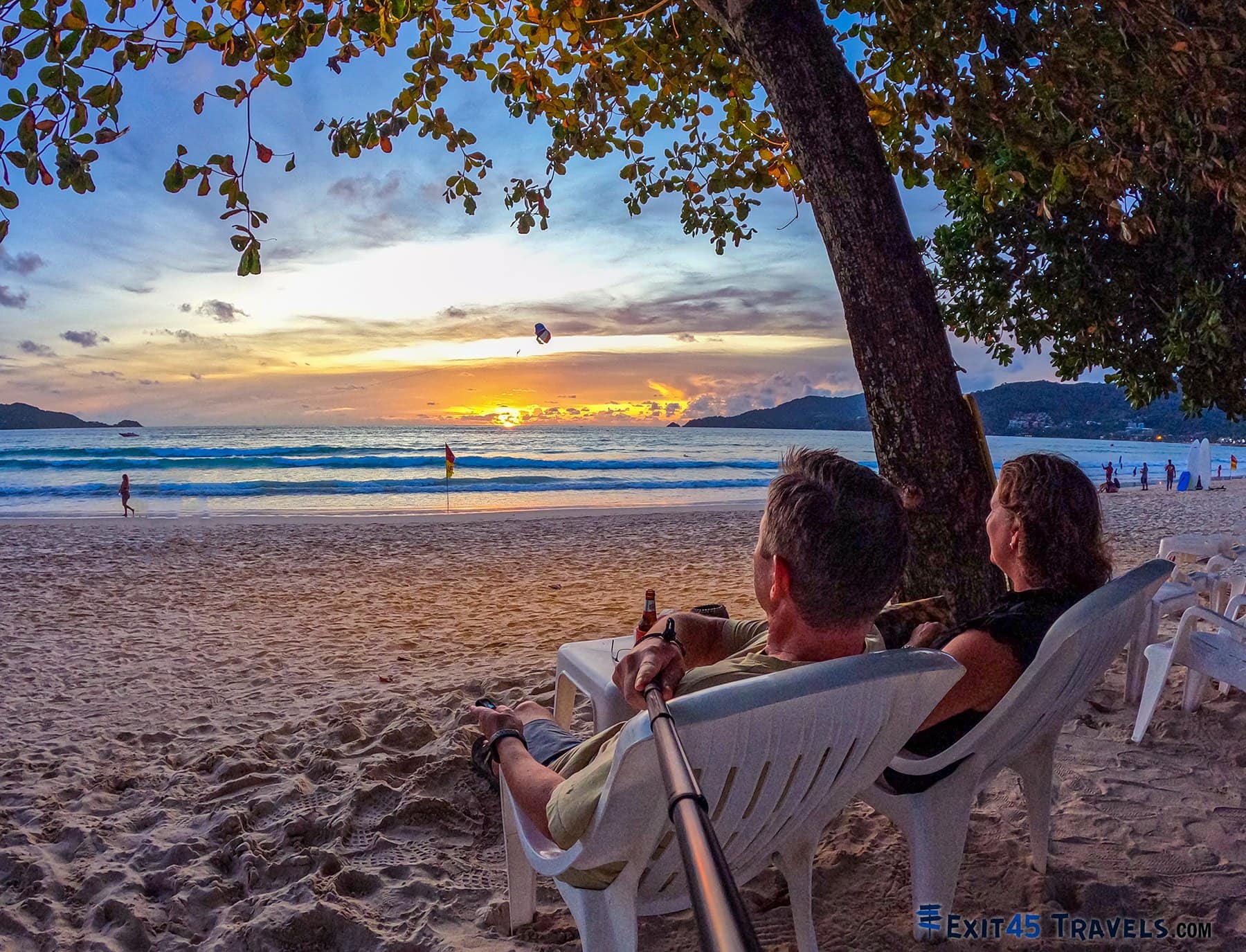
Since January 2018, we’ve been travelling full-time as retired nomads. Over time, we’ve found a balance that works for us. Not backpacking. Not luxury. Just a comfortable, sustainable way to live and travel.
Right now, our average cost sits at around $54,000 AUD per year (≈ $35,000 USD) for two people. That works out to roughly $4,500 AUD per month (≈ $3,000 USD), or about $150 AUD per day (≈ $100 USD).
That includes comprehensive travel insurance, comfortable accommodation, eating well, exploring new places, and building a lifestyle we can maintain year after year.
It hasn’t always looked like this. Back in 2018, we were closer to $120 AUD per day (≈ $80 USD), but like everything else, travel costs have increased over time. That’s something anyone planning this lifestyle needs to factor in.
The reality is, asking ‘how much is the cost of travelling full-time?’ is a bit like asking how long is a piece of string.
Your travel style and destination choices shape your budget more than anything else.
In this post, we’ll walk through what full-time travel really costs based on our experience. You’ll see real numbers, where the money goes, and what pushes costs up faster than expected.
We’ll also cover the parts that often get overlooked, like the costs before you even leave and the ongoing expenses that don’t get talked about enough.
Because this isn’t about travelling for a few months.
It’s about building a way of living that actually works long term.
Full-Time Travel Cost: Key Takeaways
If you’re in a hurry, here’s a quick list of our costs for travelling full-time:
- A realistic full-time travel budget for couples ranges from $2,000–$5,000+ USD/month (≈ $3,000–$8,000+ AUD) depending on travel style
- Our average is $4,500 AUD/month (≈ $3,000 USD) or $54,000 AUD/year (≈ $35,000 USD) for two people
- You can live comfortably for around $3,000 AUD/month (≈ $2,000 USD) in Southeast Asia
and closer to $6,000 AUD/month (≈ $4,000 USD) in Europe - Biggest cost drivers: travel pace, destination, accommodation, and eating habits
- Slow travel is the key to keeping costs down (longer stays = lower accommodation, fewer flights, more local living)
- Don’t forget hidden costs like insurance, storage, healthcare, and gear replacement
- Plan for a 20–25% buffer and keep access to an emergency fund
- This isn’t a holiday budget, it’s a long-term lifestyle, and costs become more stable over time
How Much Does It Cost To Travel Full-Time? (Real Monthly and Yearly Ranges)
One of the biggest mistakes we see is people trying to find a single number for full-time travel.
Your budget depends heavily on how you travel, where you spend most of your time, and what level of comfort you want day-to-day. Two people travelling full-time can easily spend completely different amounts and both be ‘doing it right’.
That said, there are some realistic ranges that give you a solid starting point.
Realistic Monthly Budget Ranges
If you strip it back and look at how most people travel long-term, these ranges tend to hold up:
A lower-cost lifestyle can sit around $2,000 USD per month (≈ $3,000 AUD) for a couple. This usually means spending most of your time in more affordable countries, being mindful with accommodation, and keeping flights to a minimum.
A more typical mid-range lifestyle falls somewhere between $3,000 to $5,000 USD per month (≈ $4,650 to $7,750 AUD). This is where many long-term travellers land. It allows for comfortable accommodation, regular dining out, and a mix of experiences without constantly watching every dollar.
Once you move beyond that, a more comfortable lifestyle starts around $5,000 USD per month and above (≈ $7,750 AUD+). This often includes more time in higher-cost countries, shorter stays, and a higher standard of accommodation and travel.
These aren’t strict categories, just useful reference points.
What We Actually Spend (Our Real Numbers)
For us, our current average sits at around:
- $54,000 AUD per year (≈ $35,000 USD)
- $4,500 AUD per month (≈ $3,000 USD)
- $150 AUD per day (≈ $100 USD)
That’s for two people, travelling full-time.
We’re not backpacking, but we’re also not chasing luxury. We stay in comfortable apartments or hotels, eat well, explore regularly, and still keep things sustainable over the long term.
Where this gets interesting is how much that number shifts depending on where we are.
In places like Da Nang in Vietnam or Koh Samui in Thailand, we can comfortably bring our monthly costs closer to $3,000 AUD (≈ $2,000 USD).
In parts of Europe, that same lifestyle can move closer to $6,000 AUD per month (≈ $4,000 USD) without doing anything particularly extravagant.
Same travel style, very different cost.
Why Budgets Vary So Much
This is where many people get stuck.
They try to compare their potential budget to someone else’s without realising how many variables are at play.
The biggest drivers are usually:
- how fast you move
- where you choose to spend your time
- the type of accommodation you book
- how you approach food and daily living
Change any one of those, and your costs can shift quickly.
That’s why asking ‘how much does it cost to travel full-time?’ will always give you a wide range of answers.
What matters more is understanding what kind of traveller you want to be, including the trade-offs involved.
Our Real Monthly Breakdown (Where the Money Actually Goes)
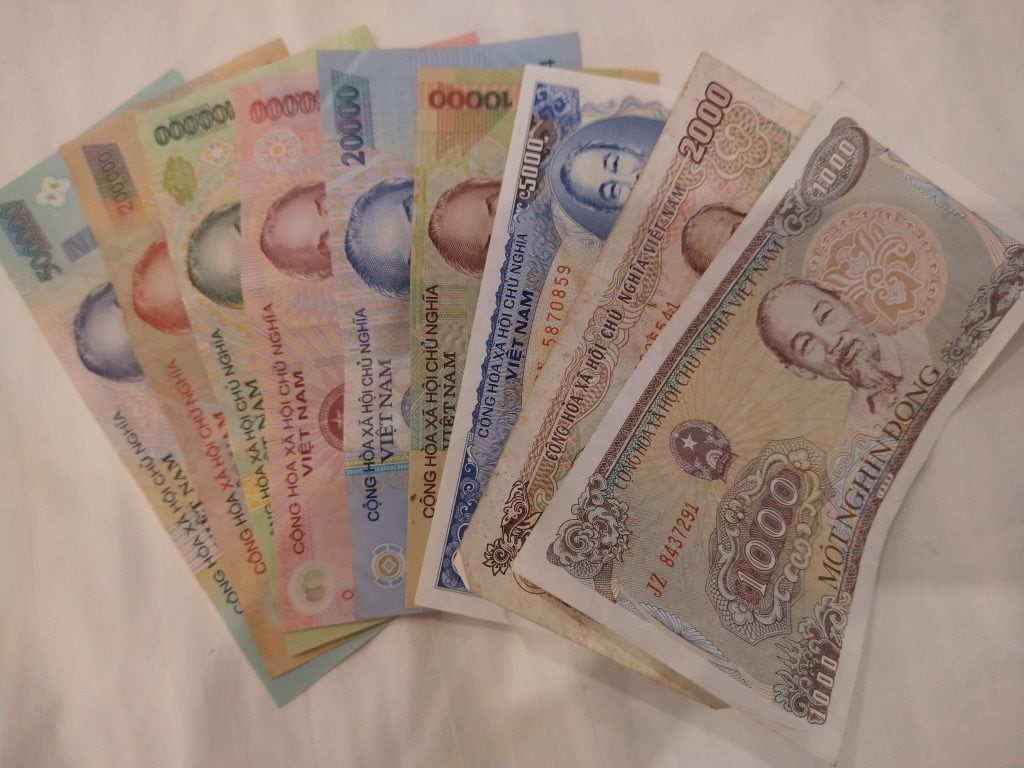
One of the most helpful things we did early on was stop thinking about travel as one big number and start breaking it down into categories.
Because the reality is, a few key areas make up the bulk of your spending. Once you understand those, it becomes much easier to adjust your budget without feeling like you’re constantly cutting back.
For us, two categories consistently take up the biggest share: accommodation and flights. Everything else tends to sit around those.
Example Monthly Budget Breakdown (Our Real Numbers)
On average, when we’re sitting around $4,500 AUD per month (≈ $3,000 USD) for two people, it tends to look something like this:
Accommodation is usually our largest expense. Depending on where we are, this can range quite a bit. In Southeast Asia, we’ve stayed comfortably for around $600 AUD per month (≈ $400 USD), while in Europe it’s closer to $1,800 AUD per month (≈ $1,200 USD). On average, this often lands somewhere in the middle and makes up roughly a third (sometimes more) of our total spend.
Food is the next major category, but this is very much within your control. We mix eating out with cooking at home, which helps keep things balanced. When we lean more into local food and home cooking, this stays reasonable. When we default to more Western-style dining, costs increase quickly.
Transport is largely driven by flights. We travel with two checked bags under 18kg each, fly economy, and use a mix of budget and premium airlines. As Australians, we’ve found points hacking difficult to make work consistently, so we don’t rely on it. Some months this category is low, other months it spikes depending on how far and often we move.
Then there are the smaller but consistent categories that often get overlooked. Things like travel insurance, admin costs, and general day-to-day spending. Our travel insurance alone averages about $150 AUD per month (≈ $100 USD) for the two of us, which is something many people forget to include when estimating their budget.
We also always allow a buffer in the month. There are always small, unexpected expenses that come up, and having that flexibility makes the lifestyle far less stressful.
When you zoom out, the exact percentages shift month to month, but the pattern stays the same. Accommodation and flights drive the total. Everything else adjusts around those.
Our Cheapest Month vs Our Most Expensive Month
This is where the differences really show up.
In lower-cost countries like Vietnam, the Philippines or Thailand, we’ve had months where everything comes together. Accommodation is cheaper, food is affordable, and we’re not moving around much. In those months, it’s very realistic for us to live closer to $3,000 AUD (≈ $2,000 USD) for the two of us without feeling like we’re missing out.
On the other end, time spent in Europe tends to push things up. Accommodation alone can double or triple, and flights between countries add up quickly. In those periods, we’re often closer to $6,000 AUD per month (≈ $4,000 USD).
What’s important here is that our lifestyle doesn’t change dramatically between those two extremes.
We’re not suddenly upgrading everything in Europe. It’s simply the cost of being in a higher-priced region.
You don’t need to change how you travel for your costs to increase. Sometimes, it’s just where you are.
A Quick Note on Cost Changes Over Time
When we first started back in 2018, we were averaging closer to $120 AUD per day (≈ $80 USD).
Since then, we’ve adjusted that to around $150 AUD per day (≈ $100 USD).
That increase hasn’t come from changing our lifestyle dramatically. It’s mostly been driven by general price increases and the rising cost of tourism globally, particularly after COVID.
It’s a good reminder that whatever budget you start with, you’ll need to revisit it over time.
What Drives The Cost of Full-Time Travel (Fast)
If there’s one thing we’ve learned over the years, it’s this:
Small decisions compound quickly when you’re travelling full-time.
You don’t need to change everything about your lifestyle for your budget to shift. A few patterns, repeated over weeks or months, can push your costs up without you really noticing at first.
Travel Pace (The Biggest Cost Driver)
This is the one that has the biggest impact.
Moving frequently means more flights, more short-term stays, and fewer opportunities for discounts. It also puts you back into ‘holiday mode’ spending, where it’s easy to justify eating out more, booking tours, and filling every day.
We experienced this ourselves early on.
During our first stretch of travel, we moved quickly, trying to see and do everything. It felt exciting at the time, but it was also exhausting and more expensive than it needed to be.
Slowing down changed everything and shaped our slow travel approach.
Staying longer in one place reduces transport costs, unlocks better accommodation pricing, and naturally shifts your daily spending habits. You start living more like you would at home rather than constantly being in transit.
Destination Choice
Where you choose to spend your time makes a huge difference, even if your habits stay the same.
We’ve seen this consistently.
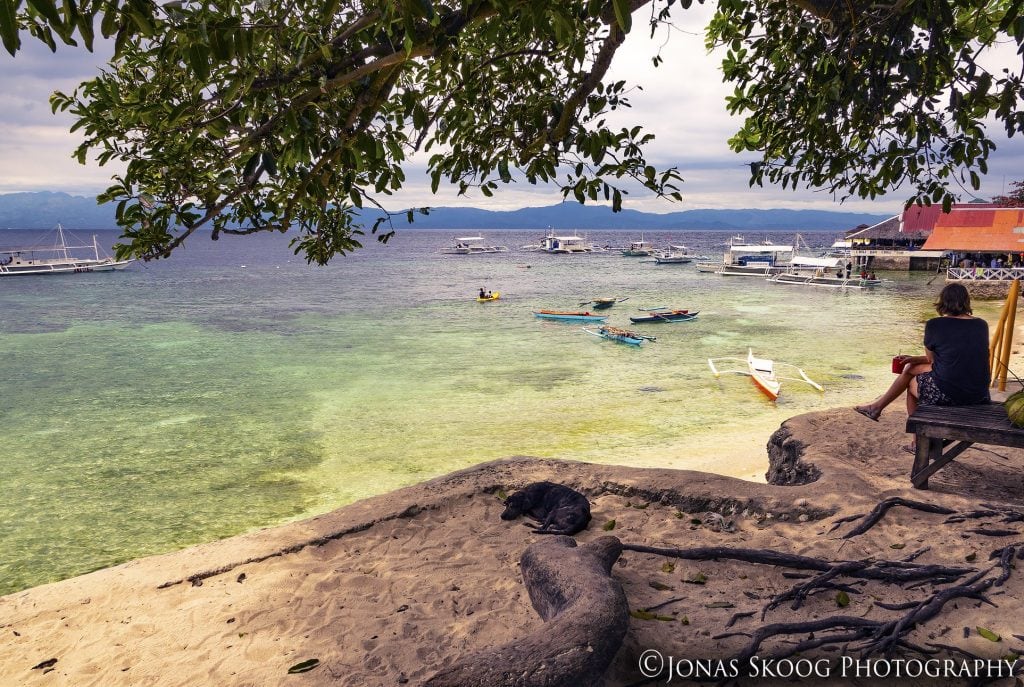
In places like Vietnam, Thailand, or parts of the Philippines, we can live comfortably for around $3,000 AUD per month (≈ $2,00 USD), or less.
In Europe, that same lifestyle moves closer to $6,000 AUD per month (≈ $4,000 USD).
Nothing changes in how we travel. The environment changes the cost.
This is where geoarbitrage really comes into play and how location choice matters. Spending more time in lower-cost countries allows you to balance out the more expensive regions without needing to compromise your overall lifestyle.
Accommodation Choices
Accommodation is almost always your biggest expense, so small changes here have a big impact.
Short stays tend to cost more per night. Booking week to week or night to night limits your options and usually keeps you in higher-priced listings.
Longer stays open up a completely different pricing structure.
Monthly rates often come with significant discounts, sometimes 40% or more, especially in places geared towards longer-term travellers.
There’s also a noticeable difference between booking through international platforms versus finding more local options. The more you rely on familiar, Western-style accommodation, the more your costs tend to rise.
Eating Habits and Daily Lifestyle
Food is one of the easiest areas to adjust, but also one of the easiest to overspend on.
If you eat every meal out, particularly in Western-style restaurants, your costs will increase quickly, even in cheaper countries.
We’ve found a balance that works for us. We eat out most days for a late lunch, but we also cook, shop at local markets, and adapt to how people eat in the places we’re staying.
That shift alone keeps this category under control without feeling restrictive.
The same applies to activities.
If you treat every day like a packed holiday itinerary, costs build fast. If you mix in slower days, local experiences, and free activities, things even out.
Flights and Long-Distance Travel
Flights are the second biggest expense for us after accommodation, and they can vary significantly month to month.
The biggest cost factor here isn’t the airline. It’s how often and how far you fly.
Frequent international flights, especially between continents, will increase your overall budget quickly. Staying within one region for longer periods helps reduce this significantly.
Seasonality and Timing
Timing plays a bigger role than most people expect.
Travelling during peak seasons means higher accommodation prices, more demand, and fewer deals. The same destination can feel like a completely different price point depending on when you visit.
We try to be flexible where possible.
Arriving just before or after peak season (shoulder season) often gives you better pricing while still allowing you to enjoy good weather and a lively atmosphere.
A Simple Way to Think About It
Over time, we’ve noticed a clear pattern. Costs tend to stay more manageable when you move less frequently, stay longer in one place, and settle into a more local routine. On the other hand, they increase when you’re constantly changing locations, flying often, and spending like you’re on a short holiday. It’s not one big decision that shifts your budget, but the way these habits build up over time.
Slow Travel vs Fast Travel: The Cost Difference Most People Miss
When people ask us how we keep our full-time travel costs under control, the answer is usually simpler than they expect.
We move less.
That one shift has had the biggest impact on both our budget and how sustainable this lifestyle feels long-term.
Why Slow Travel Reduces Costs
Slow travel changes how almost every part of your budget behaves.
The biggest saving comes from accommodation. Once you start staying for a few weeks or a full month, pricing changes completely. Monthly discounts of 30–40% or more are common, especially in places in Southeast Asia.
Instead of paying nightly rates, you’re stepping into longer-term pricing.
Transport costs drop as well. Fewer flights, fewer airport transfers, and less need to constantly reorganise logistics.
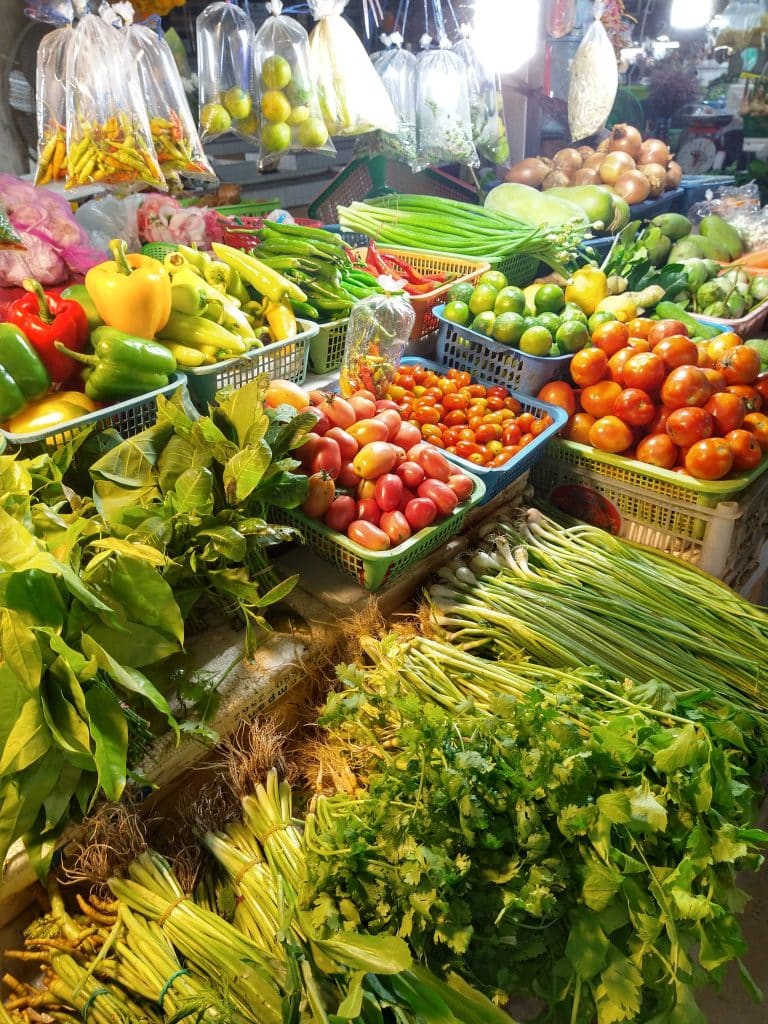
Food spending also shifts naturally. When you stay longer, you’re more likely to cook, shop locally, and settle into a routine. That alone makes a noticeable difference without feeling like you’re cutting back.
It’s not one big saving. It’s multiple small ones stacking together.
Fast Travel Costs More Than People Expect
Our year of travel is generally a mix of both slow travel and fast travel, and the difference is clear.
When you move quickly, everything becomes more expensive.
Short stays mean higher nightly accommodation rates. Flights become more frequent. You’re more likely to eat out for convenience. It’s easier to fall into the mindset of needing to ‘make the most’ of every destination.
That often leads to more tours, more activities, and more spending overall.
It also comes with a different kind of pressure. Constant planning, packing, and moving adds friction to the experience, and that usually translates into spending more just to make things easier.
We felt this early on.
In our first couple of months of travel, we were moving frequently, trying to fit everything in. It was exciting, but it wasn’t sustainable, either financially or physically.
The Lifestyle Shift That Comes With Slowing Down
What surprised us most wasn’t just the cost savings.
It was how different the experience felt.
When you stay longer, you stop travelling like you’re on a short holiday. You start building routines. You find your local coffee spot, your regular supermarket, your preferred walking routes.
You also spend differently.
There’s less urgency to do everything at once. You spread experiences out. Some days are quiet. Some days are more active. It balances itself out over time.
That shift makes it much easier to maintain a consistent monthly budget.
A Simple Comparison
Looking back, the contrast between slow travel vs fast travel is clear.
When we were moving quickly, costs were less predictable and often higher than expected.
Once we slowed down, things stabilised.
Accommodation dropped. Flights reduced. Daily spending became more consistent. At the same time, we enjoyed the experience more and avoided the burnout that comes with constant movement.
That’s why slow travel has become the foundation of how we manage both our budget and our lifestyle.
What It Costs by Region (Realistic Ranges)
One of the biggest shifts in your budget doesn’t come from changing how you travel.
It comes from where you choose to spend your time.
We’ve kept our lifestyle fairly consistent over the years, yet our monthly costs can swing significantly depending on the region. This is where understanding global cost differences becomes a real advantage.
Southeast Asia
This is where we tend to spend a large portion of our time each year slow travelling, and it’s also where our budget stretches the furthest.
In places like Vietnam, Thailand, and parts of the Philippines, we can live comfortably for around:
- $3,000 AUD per month (≈ $2,000 USD) for two people
That includes:
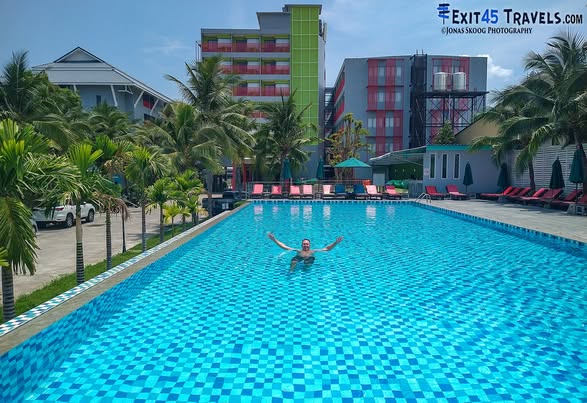
- Comfortable accommodation with AC, cooking facilities, pool
- Eating well (a mix of dining in both local and Western restaurants, and cooking)
- Regular activities and day-to-day living
Accommodation is the biggest win here. Finding a place for around $800 AUD per month (≈ $600 USD) is very realistic, especially when staying longer.
Healthcare is also affordable. For example, we do our annual dental check-ups in Thailand, where a full appointment (including X-rays and cleaning) costs about $80 AUD (≈ $52 USD) per person.
It’s about being in a place where your money naturally goes further.
Europe
When we spend time in Europe, our costs increase quite noticeably.
For the same general lifestyle, we’re usually closer to:
- $6,000 AUD per month (≈ $3,900 USD) for two people
Accommodation is the main driver here. What costs $800 AUD in Southeast Asia can easily become $1,800 AUD per month (≈ $1,200 USD) or more.
Food, transport, and activities also trend higher, even when you’re being mindful.
What’s important is that we’re not dramatically changing how we travel.
We’re still booking comfortable places, cooking some meals, and exploring at a steady pace.
The difference is simply the environment.
The Pattern You Start to See
Over time, a clear pattern emerges.
Lower-cost regions allow you to live well while spending less. Higher-cost regions require a bigger budget to maintain that same level of comfort.
This is where geoarbitrage becomes such a powerful tool.
By spending more time in places like Southeast Asia, we’re able to balance out the higher costs of Europe without increasing our overall yearly budget dramatically.
It’s not about avoiding expensive countries altogether.
It’s about being intentional with how long you spend in each place and how you approach choosing destinations.
It’s Not Just About ‘Cheap vs Expensive’
One thing we’ve learned is that this isn’t just a simple comparison between cheap and expensive destinations.
It’s about value.
In some higher-cost regions, you might choose to spend more because of the experience, culture, or time of year. In lower-cost regions, you might find yourself naturally spending less without feeling like you’re missing anything.
That balance is what makes this lifestyle sustainable.
The Hidden Costs Nobody Talks About
When people estimate the cost of full-time travel, they usually focus on the obvious things like accommodation, flights, and food.
What often gets missed are the ongoing costs that don’t show up in a typical ‘travel budget’ breakdown.
Some of these are small on their own. But over time, they add up and can make a noticeable difference to your overall spend.
Travel Insurance (A Non-Negotiable for Us)
This is one area we don’t cut corners on.
Before we started travelling, we spent a lot of time comparing providers and reading the fine print. We wanted comprehensive cover, not just the cheapest option.
In our first few years, we used 1Cover. After COVID, premiums increased significantly (more than doubled), so we reassessed and switched to CoverMore.
N.B. These are Australian insurance providers.
On average, we now pay around:
- $1,800 AUD per year (≈ $1,200 USD)
- That’s about $150 AUD per month (≈ $100 USD) for both of us
- With a $250 AUD excess (≈ $160 USD)
A lot of our American readers are surprised by how low that is. One big reason is that we don’t travel to the United States, which reduces premiums quite a bit.
It’s also worth noting that this isn’t a ‘set and forget’ cost. We review it annually as pricing and coverage change.
Healthcare and Preventative Costs
Even with insurance, there are still everyday health costs you’ll pay out of pocket.
For us, dental care is a good example.
We schedule our annual check-ups in Thailand, where we’ve found the care to be extremely thorough and gentle. A standard appointment, including X-rays, a check-up, and a full clean, costs around:
- $80 AUD per person (≈ $50 USD)
That’s something we plan for each year rather than relying on insurance.
Storage, Admin, and Staying Connected
Some costs don’t feel like ‘travel expenses’, but they still exist in the background.
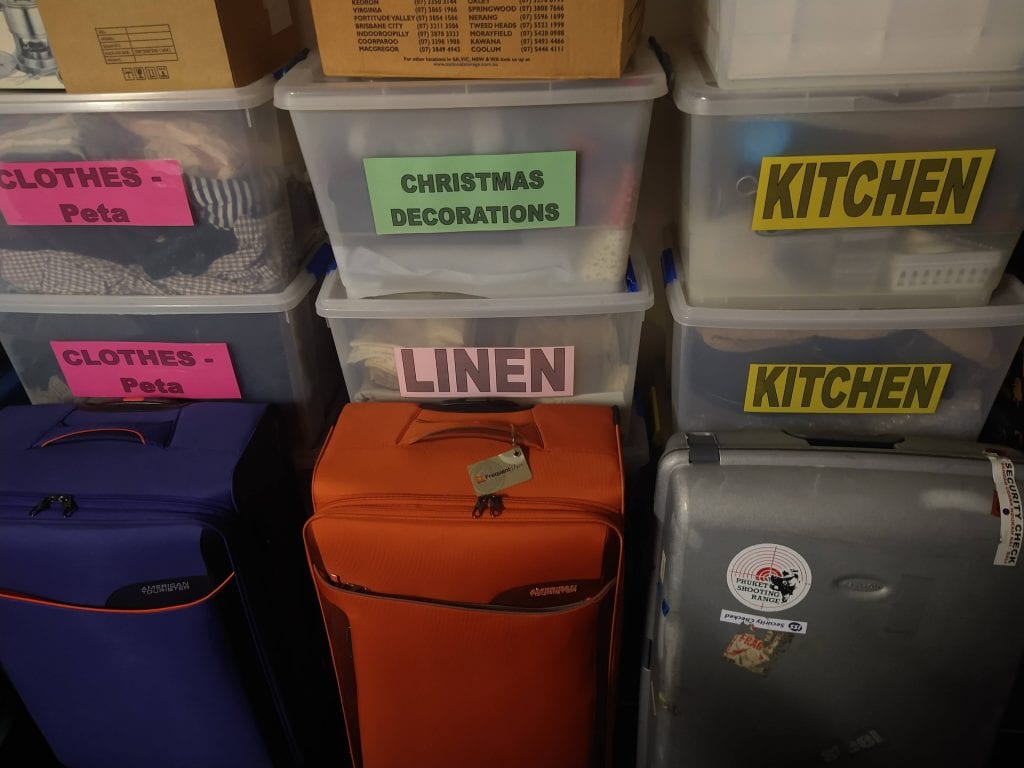
We were able to sell or donate most of our belongings before we left, but we still have a few boxes stored at my (Peta’s) mum’s house in Australia, which costs us nothing.
Not everyone has that option, and paid storage can become an expensive ongoing monthly expense if you’re not careful.
We also keep an Australian mobile number active using an ALDI Pay-As-You-Go plan. That costs us:
- $15 AUD for 365 days (≈ $10 USD per year)
It’s a small cost, but it’s essential for banking, verification, and staying connected to services back home.
Gear Replacement and Long-Term Wear and Tear
When you’re travelling full-time, your gear gets used constantly.
Luggage, clothing, tech, and everyday items wear out faster than they would at home. Replacing things becomes part of your ongoing budget, even if it’s not something you think about at the start.
It’s not a monthly cost, but over time, it’s something you’ll need to factor in.
Unexpected Travel Costs (Why We Keep a Buffer)
Even with careful planning, things don’t always go to plan.
Flights get cancelled. Accommodation falls through. Bags go missing. Gear breaks.
This is why we always maintain an emergency fund we can access if needed.
We’ve been fortunate in that we’ve rarely had to rely on it. When unexpected situations have come up, our travel insurance has covered the major costs.
For example, Peta sustained a severe ankle injury in Medellín, which required X-rays, physiotherapy, and eventually a change of flights back to Australia. Insurance covered those expenses, which would have otherwise been significant.
Having that safety net in place removes a lot of stress.
The Bigger Picture
None of these costs are extreme on their own.
But together, they form a layer of spending that many people don’t account for when estimating their full-time travel budget.
If you ignore them, your numbers will look lower than reality.
If you plan for them, everything becomes much more predictable.
Costs Before You Even Leave (Often Overlooked)
Before you even book your first flight, there’s a layer of costs and decisions that don’t get talked about enough.
Some are one-off. Others quietly continue in the background while you’re travelling.
This stage can shape your ongoing budget more than people expect.
Downsizing Your Life (And What You Keep)
One of the biggest transitions is deciding what to keep and what to do with your belongings during the lifestyle transition.
We sold or donated as much as we could before we left. What remained was just a few boxes, which we’ve stored at Peta’s mum’s house in Australia. For us, that cost is $0.
Not everyone has that option. If you need paid storage, this can easily become a monthly expense that continues for years. It’s worth thinking through carefully before you leave, because once you’re on the road, it’s much harder to deal with.
Getting Set-Up (Insurance, Phones, Admin)
There’s also a set-up phase that involves getting your systems in place.
Travel insurance is a big one. As we mentioned earlier, we chose comprehensive cover after spending a lot of time comparing providers and reading the fine print. That decision continues to influence our monthly costs.
Staying connected is another small but important piece.
We keep an Australian mobile number active using a pay-as-you-go plan, which costs us $15 AUD per year (≈ $10 USD). It’s minimal, but it’s essential for banking, security codes, and keeping access to accounts back home.
There are also the less visible admin tasks. Setting up bank accounts, travel cards, managing subscriptions, redirecting mail. These don’t always show up as big expenses, but they take time and planning.
Travel Gear and Practical Setup
Before leaving, you’ll also need to think about what you’re actually travelling with.
For us, that means:
- One checked suitcase each
- A carry-on backpack
- Purpose-built travel clothing
- A small amount of tech gear
Over time, we’ve refined this to what we actually use.
There’s an upfront cost in getting the right luggage and equipment, but it also reduces the need to constantly replace things later. That said, even good gear wears out over time, so this ties into your long-term costs as well.
Flights to Get Started
The initial long-haul flight (or flights) to begin your journey is another cost that often gets separated from the ‘travel budget’.
As Australians, this is a bigger factor for us than it might be for others. Getting from Australia to Europe or even into parts of Asia can be one of the more expensive flights you’ll book.
We travel economy, with two checked bags under 18kg, using a mix of budget and premium airlines. We don’t rely on points, as it’s not always practical for us.
This first flight doesn’t define your monthly budget, but it does impact how much you need to get started.
Why This Stage Matters More Than You Think
What you set up before you leave tends to carry through into your travel life.
If you reduce ongoing costs early, like storage or unnecessary subscriptions, it keeps your monthly expenses lower.
If you overlook them, they quietly add up in the background.
This stage shapes your travel setup from the beginning.
It’s about shaping the financial structure of your lifestyle before it even begins.
The Simple System That Keeps Our Costs Predictable
One of the biggest differences between holiday travel vs full-time travel is this:
You can’t rely on willpower to manage your budget.
Tracking every expense or constantly trying to ‘spend less’ gets tiring very quickly. It’s not a sustainable way to live.
What’s worked for us is building a system where our default way of travelling keeps costs stable, without needing to think about it all the time.
We Keep Our Lifestyle Consistent
We don’t dramatically change how we travel from place to place.
Whether we’re in SE Asia or Europe, we aim for a similar level of comfort. A clean, comfortable place to stay, a mix of eating out and cooking, and time to explore without rushing.
What changes is the cost of the destination, not our behaviour.
That consistency is what makes our budget predictable over time.
We Let Location Do the Heavy Lifting
Instead of constantly trying to optimise every expense, we focus on where we spend our time.
Lower-cost regions naturally bring our average down. Higher-cost regions push it up.
By spending longer stretches in places like Thailand or Vietnam, we create room in the budget for time in more expensive countries without needing to adjust how we live.
It’s a much easier lever to pull than trying to cut costs day to day.
We Avoid Constant Decision-Making
One thing we didn’t expect at the start was how exhausting constant decision-making can be.
Where to eat. What to do. How much to spend. Whether something is ‘worth it’.
When you’re moving quickly, you’re making these decisions all the time.
When you stay longer, most of that disappears.
You find your routines. Your regular places. Your rhythm.
That reduces both mental load and unnecessary spending.
We Build Flexibility Into Every Month
Not every month looks the same.
Some months are more expensive, especially when we’re moving between regions or spending time in higher-cost countries. Other months are naturally lower.
We don’t try to force every month into the same number.
Instead, we look at the bigger picture across the year and allow things to balance out.
That’s where the buffer we mentioned earlier becomes important. It gives us room to absorb those fluctuations without stress.
It’s About Stability, Not Perfection
We’re not trying to optimise every dollar.
We’re aiming for something that works long-term.
A system where:
- costs don’t spike unexpectedly
- spending feels natural, not restricted
- the lifestyle is easy to maintain
That’s what has allowed us to keep travelling full-time for years without constantly revisiting our budget.
This Isn’t Permanent Travel Mode — It’s Living Differently
One of the biggest mindset shifts for us was realising this:
Full-time travel isn’t an extended holiday.
It’s a different way of living.
You’re Not on Vacation Anymore
When you first start, it’s easy to treat everything like a trip.
You want to see everything, do everything, and make the most of every day. That mindset makes sense in the beginning, but it’s hard to sustain over months or years.
At some point, things shift.
You stop trying to fill every day. You start leaving things for ‘next time’. You build quieter days into your routine.
That’s when the lifestyle becomes manageable, both financially and mentally.
Minimalism Becomes Practical, Not Theoretical
We travel with what fits into a checked suitcase each.
That wasn’t a philosophy decision at the start. It became practical over time.
Fewer belongings mean fewer decisions, less to manage, and more flexibility when moving between places.
We still have everything we need. Just not much more than that.
And that simplicity carries through into how we spend.
Trade-Offs Are Part of the Lifestyle
There’s no version of this lifestyle without trade-offs.
We don’t have a permanent home. We’re away from family and friends for long stretches. There’s less routine in the traditional sense.
At the same time, we’ve gained something else.
We’ve been able to live in different parts of the world, experience new cultures, and build a lifestyle around flexibility and choice.
From a financial perspective, it’s the same.
You might spend more on flights. You might spend less on housing. You might adjust where you go based on cost.
It balances out differently for everyone.
This Is Why Budgets Are So Personal
By this point, you can probably see why it’s difficult to give a single answer to the question:
‘How much does long-term travel cost?’
It depends on your version of this lifestyle.
What you prioritise. How you move. Where you choose to spend your time.
There’s no right or wrong way to do this.
FAQs: Cost of Slow Travel Lifestyle
Now that we’ve broken down the numbers, you might still have a few questions about full-time travel costs.
How much does it cost to travel full-time for a year?
Most couples spend between $35,000–$72,000 USD/year (≈ $54,000–$108,000 AUD) depending on travel style. We average about $54,000 AUD/year (≈ $35,000 USD).
Can you travel full-time on $3,000 a month?
Yes, we do! $3,000 USD/month (≈ $4,500 AUD) is realistic in lower-cost regions if you travel slowly and manage accommodation and flights carefully.
What is the biggest expense in full-time travel?
Accommodation is usually the biggest cost, followed by flights. Small changes here can significantly impact your overall budget.
Is full-time travel cheaper than living at home?
It can be, especially if you spend time in lower-cost countries. But fast travel and frequent flights can increase costs quickly.
What hidden costs should you budget for?
Travel insurance, healthcare, gear replacement, and storage are often overlooked but important to include.
How do you keep full-time travel costs low?
Slow travel, staying longer in one place, and choosing affordable destinations help keep costs stable over time.
In Summary: There’s No ‘Right’ Budget
If there’s one thing we’ve learned after years of travelling full-time, it’s that budgets are relative.
Some people are comfortable living on $3,000 AUD per month (≈ $2,000 USD) in lower-cost countries. Others prefer a higher level of comfort and spend closer to $6,000 AUD per month (≈ $4,000 USD) or more.
Both approaches work.
What matters is finding a balance that suits your lifestyle and allows you to keep going long-term.
We’ve been able to live comfortably, experience different cultures, meet incredible people, and see parts of the world we never would have otherwise.
At the same time, everything we own fits into a suitcase.
That trade-off has been worth it for us. Not chasing the lowest possible budget.
Not trying to match someone else’s numbers.
Just building a way of living that works for you.
Because life is now.
Are you planning a nomadic life or are you currently a nomad? Have we missed anything we should add to this post on costs, or do you still have questions? Feel free to contact us on Facebook or via email and let us know.
You Might Also Like
If you’re thinking about full-time travel or refining your budget, these posts will help you go deeper:
- Is Nomadic Retirement For You? 11 Factors To Consider
A practical look at whether this lifestyle fits your goals, finances, and expectations. - The Advantages and Disadvantages of Nomadic Life: Our Personal Experiences
An honest breakdown of what works, what doesn’t, and what surprised us most. - Our Top Slow Travel Tips For Nomadic Retirees
How slowing down not only improves your experience, but also reduces your costs. - Geoarbitrage for Nomadic Retirees: Maximizing Life on a Budget
How choosing the right locations can stretch your budget without sacrificing lifestyle. - How To Pick A Travel Destination: 13 Factors to Consider
A useful guide to choosing destinations that align with your budget and travel style. - Or Start Here:
Your complete guide to planning and living a nomadic retirement lifestyle
DISCLAIMER: This article contains affiliate links and Nomadic Retirement Travel are a participant in the Amazon Services LLC Associates Program. That means if you click a link and make a purchase, we make a small commission at no extra cost to you. Please see our disclosure policy for more information.
