
What Do Retired Nomads Do All Day? A Real Look at Daily Nomad Life

What do retired nomads do all day? Discover the real daily life, routines, and lifestyle behind nomadic retirement.
When people find out we’ve been living a nomadic retirement lifestyle since 2018, one of the first questions we get is: ‘So… what do you actually do all day?’
It’s usually asked with a mix of curiosity and assumption. Most people assume our days are filled with sightseeing, bucket list experiences, and constant movement.
We used to think that too.
In the early days of our travels, we packed our schedule. We moved quickly, tried to see everything, and treated each destination like a short holiday. It didn’t take long before we felt completely exhausted. What we thought full-time travel would look like, and what it actually became, turned out to be very different.
These days, our life looks far more normal.
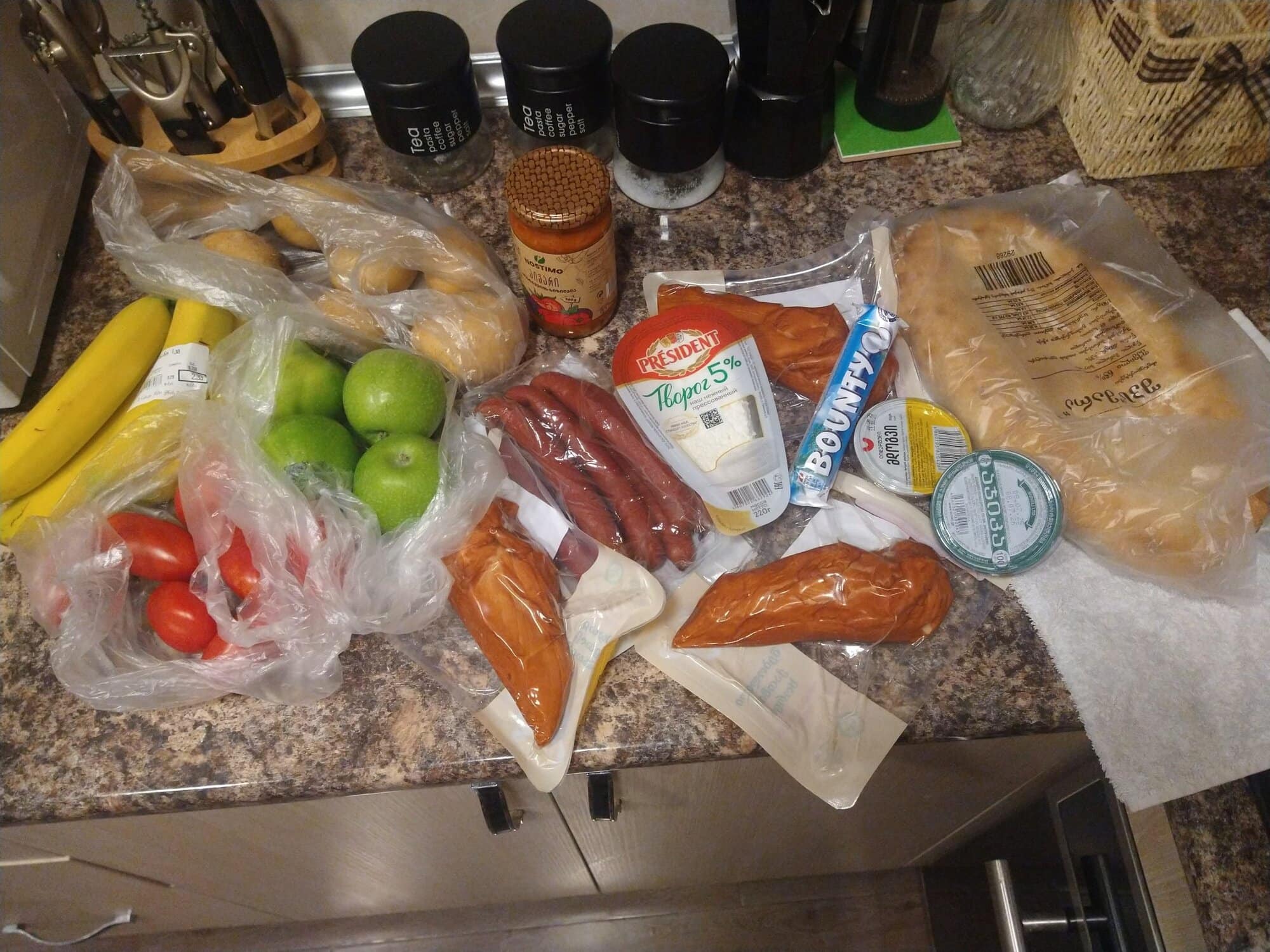
We still explore, of course. But most of our time is spent doing the same kinds of things you’d do at home, such as grocery shopping, going for long walks, cooking meals, planning what’s next, catching up with family and friends, and sometimes doing very little at all.
The difference is where we’re doing it.
In this post, we’ll break down what retired nomads really do all day, what our days actually look like, and why this lifestyle is less about constant activity and more about creating a rhythm that works for you.
What Retired Nomads Do All Day: Key Takeaways
If you don’t have time to read the full post, here’s the short answer to what retired nomads do all day:
- The biggest change isn’t what you do, it’s how you experience time
- Most days are surprisingly normal i.e. errands, meals, walks, and time at home
- Sightseeing happens, but not every day
- Travel planning and life admin take up more time than expected
- Rest and downtime are built into the lifestyle
- Days follow a loose rhythm, not a strict schedule
- Slow travel makes the lifestyle more sustainable and enjoyable
- You need hobbies or interests to avoid feeling lost
👉 Bottom line:
You’re not on holiday, you’re living your life, just in different places.
The Short Answer: We’re Not on Holiday, We’re Living Life
If you’re looking for a simple answer to what retired nomads do all day, it’s this: We live our everyday lives, just in different places.
That might sound underwhelming at first, especially if you’re imagining a constant stream of sightseeing, tours, and big experiences. But the reality is much more grounded.
Most days don’t feel like a holiday. They feel like life.
We wake up, have coffee, ease into the morning, and decide what the day looks like based on how we feel, the weather, or what needs to get done. Some days include exploring a new area or visiting a local attraction. Other days are filled with errands, planning, or simply staying in and relaxing.
When you travel full-time, you stop trying to make the most of every moment. That pace isn’t sustainable. Instead, your days become more balanced with a mix of activity, routine, and downtime.
Over time, you realise the goal isn’t to fill your day.
It’s to enjoy it.
What Our Days Actually Look Like
This is where things usually surprise people.
When you picture the daily life of retired nomads, it’s easy to imagine full days of sightseeing, constant movement, and ticking off attractions. But in reality, most days are far more ordinary, and that’s exactly what makes the lifestyle sustainable.
Most Days Are Surprisingly Normal
Most of our days start slowly.
We wake up without an alarm, have breakfast, enjoy a coffee, and ease into the morning. There’s no rush to be anywhere. Sometimes we’ll spend the first hour or two just reading, catching up on news, watching an episode of a new TV series, or chatting about plans for the day.
From there, the day unfolds much like it would at home:
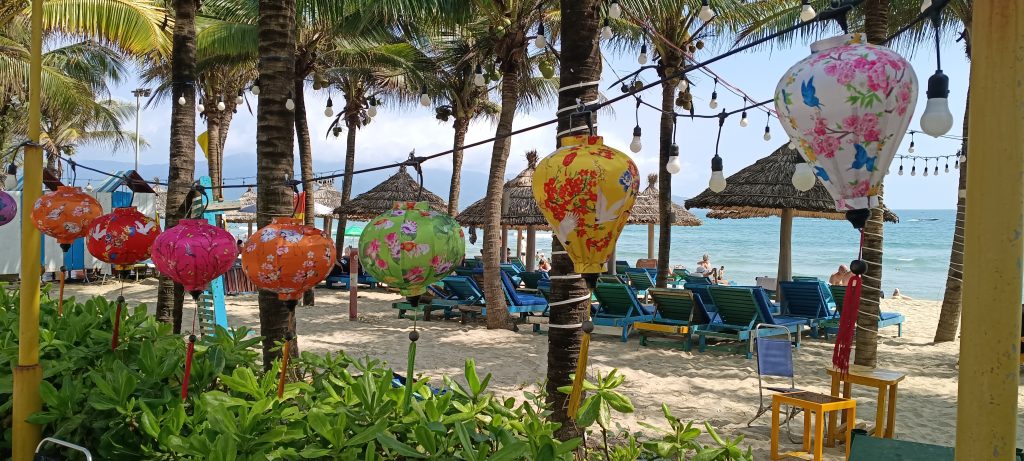
- A walk around the neighbourhood, a beach swim, or time by the pool
- Cooking or heading out for lunch
- A trip to the supermarket
- Time spent on the laptop planning future travel, working on the blog, editing photos or reading financial / world news
The biggest difference isn’t what we’re doing, it’s where we’re doing it.
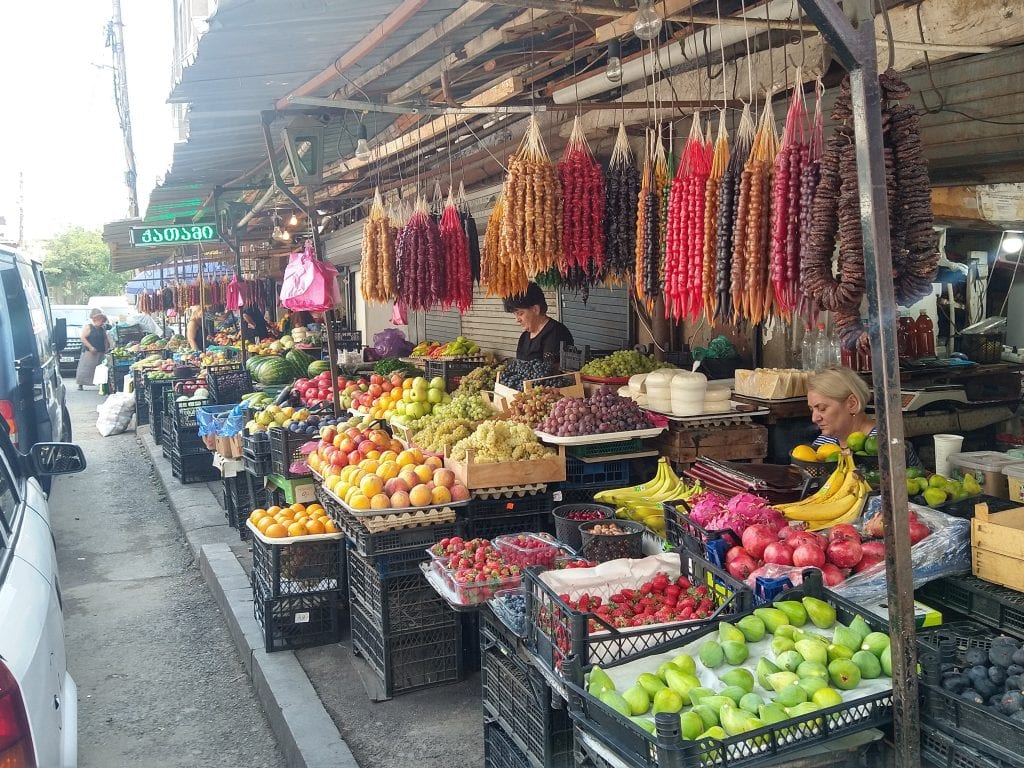
We might be walking along a beach in Thailand, through a local market in Mexico, or down a quiet street in a small European town. But the structure of the day feels familiar.
We Don’t Sightsee Every Day
One of the biggest misconceptions is that nomads are out exploring every single day.
We’re not.
In fact, we often group sightseeing into specific days. We might plan a few activities across the week, then leave the rest of the time open. Some days are intentionally quiet with nothing planned at all.
This approach makes a big difference.
Instead of feeling pressure to ‘see everything’, we take our time and enjoy what we do choose to experience. It also prevents the travel burnout that comes with moving too fast.
Life Admin Doesn’t Disappear
Even in a nomadic retirement lifestyle, there’s still plenty of behind-the-scenes work.
Travel doesn’t organise itself.
There’s always something to manage:
- Booking accommodation
- Researching the next destination
- Organising transport
- Sorting out visas, insurance, or finances
Then there’s everyday admin:
- Emails
- Banking
- General “life stuff”
It’s not difficult, but it does take time and mental energy.
Rest Is Built Into the Lifestyle
One of the biggest shifts for us has been learning that rest isn’t something you earn, it’s something you build into your life.
We have plenty of days where we do very little:
- Sitting by the pool or at the beach
- Reading for hours
- Watching a movie in the afternoon
- Taking a nap
In the past, we might have felt guilty about that. Now, it’s part of the rhythm.
Those slower days are what make the more active ones enjoyable.
The Biggest Misconception About Nomadic Life
If there’s one thing we consistently see people get wrong about the nomad lifestyle, it’s this: They think it feels like a permanent holiday.
It doesn’t.
That might be true at the start, when everything feels new. But that pace doesn’t last. Trying to treat every day like a holiday quickly leads to exhaustion.
We learned that the hard way.
In our first 3 months of travel, we moved fast and tried to see as much as possible. It felt productive at the time, but after a few months, we were worn out. Constant movement, planning, and decision-making takes a toll.
What we eventually realised is this: Nomadic life isn’t about doing more, it’s about living differently.
Most of the time, life is simple. You settle into a place, get to know your local area, and fall into small routines. Yes, you still explore, but it’s only one part of your day.
The rest of the time, you’re just living. And that’s where the real value comes from.
The Real Structure of a Nomadic Day
One of the most interesting things about this lifestyle is that even without a fixed schedule, your days still fall into a natural rhythm.
It’s not structured in the traditional sense. There’s no alarm clock, commute, or set timetable, but there is a flow that most days tend to follow.
A Loose Daily Rhythm (Not a Schedule)
While every location and day is different, many of our days loosely look like this:
Morning
We start slowly. Breakfast, coffee, and easing into the day without rushing. Sometimes we’ll plan loosely what we want to do, other times we just let the day unfold.
Midday
This is usually when we’re most active. We might go for a long walk, explore a neighbourhood, run errands, or head out for lunch. In many places, lunch becomes our main meal of the day.
Afternoon
Things tend to slow down. Especially in warmer climates, this is when we rest, head back to our accommodation, or spend time on admin or planning.
Evening
Evenings are simple. Dinner at home, a walk, maybe a drink somewhere local, or just relaxing with a movie.
Nothing is locked in, but this kind of rhythm shows up again and again.
You Don’t Need a Routine, But You Need Anchors
One of the biggest adjustments in a retired nomad routine is learning how to live without a fixed schedule.
At first, that freedom can feel strange.
Without work or external commitments, there’s nothing telling you how to structure your day. That can lead to a feeling of drifting or wondering where the time went.
What we’ve found is that while you don’t need a strict routine, it helps to have a few anchors in your day.
These might be:
- A morning coffee ritual
- A daily walk
- A regular time you eat meals
- A few weekly habits like workouts or planning days
These small touchpoints create just enough structure to give your day shape, without taking away the flexibility that makes this lifestyle so appealing.
Freedom Sounds Amazing… But It Can Be Challenging
On paper, this lifestyle sounds ideal.
No schedule. No deadlines. No fixed routine. Complete control over your time.
And in many ways, it is.
But there’s a side to this that doesn’t get talked about as much.
Too Much Freedom Can Feel Strange at First
When you first step into a nomadic retirement lifestyle, the lack of structure can feel unfamiliar.
For most of our working lives, our days have been shaped by external demands such as jobs, schedules, responsibilities. Then suddenly, all of that disappears.
At first, it feels like freedom.
But it can also feel a bit disorienting.
You might find yourself asking:
- What should I do today?
- Why does the day feel unstructured?
- Where did the time go?
Without something anchoring your day, it’s easy to drift.
Boredom Is Part of the Transition
This is another thing people don’t expect.
Some people feel bored, especially in the beginning.
After years of busy routines and constant stimulation, slowing down can feel uncomfortable. There’s a temptation to fill every moment just to avoid that feeling.
But over time, something shifts.
That boredom often turns into:
- Curiosity
- Creativity
- New interests
- A deeper appreciation for simple things
By our third year of travel, I (Peta) found I needed more to do with my time than reading books and researching future travel destinations. I needed more mental stimulation!
I eventually decided I wanted to learn a completely new skill, so taught myself website development and blogging. That gave my days more purpose, and I rarely find myself bored now.
We’ve now found that once you stop trying to fill every gap, your days start to feel more natural.
You Need Something to Retire To
This is one of the most important lessons we’ve learned.
It’s not enough to retire from something, you need to retire to something.
The people who thrive in this lifestyle tend to have:
- Interests
- Hobbies
- Curiosity about the world
- Things they enjoy doing day to day
Without that, it’s easy to feel a bit lost.
The lifestyle gives you time and freedom, but it’s up to you how you use it.
Why Slow Travel Changes Everything
If there’s one shift that makes this lifestyle work long term, it’s this: slowing down.
In the beginning, it’s easy to fall into the trap of moving too quickly. New place, new experiences, new things to see… It all feels exciting. But over time, that pace catches up with you.
We’ve been there.
It wasn’t until we started staying longer in each destination that everything began to feel more balanced. And once we made that shift, we didn’t look back.
Less Movement, Less Burnout
Constant travel sounds appealing, but it comes with a hidden cost.
Packing, unpacking, organising transport, booking accommodation, adjusting to new environments… It becomes a cycle that never quite settles into a routine.
Slowing down reduces that completely.
Staying longer means fewer transitions, fewer decisions, and more time to actually enjoy where you are.
Better Routines, Health, and Wellbeing
When you stay longer, your days naturally become more stable.
You find your local supermarket. You discover a walking route you enjoy. You might join a gym, take a class, or simply get into the habit of moving more each day.
We’ve found that our health improved once we slowed down:
- More consistent walking
- More home-cooked meals
- Better sleep
- Less stress
This aligns closely with our experience of slow travel over the years, where taking our time has led to deeper connections and a more sustainable lifestyle.
Less Pressure to ‘See Everything’
When you only have a few days in a place, there’s a tendency to try and fit everything in.
When you stay for weeks or months, that pressure disappears.
You can skip things that don’t interest you, revisit places you enjoy, and even leave things unexplored.
And that’s fine.
In fact, it’s better.
A Lifestyle That Actually Feels Sustainable
This is the biggest difference.
Fast travel feels exciting in the short term. The slow travel approach feels sustainable in the long term.
It allows you to:
- Create healthier eating habits
- Create fitness routines
- Maintain your energy
- Enjoy your days without pressure
And ultimately, that’s what makes a nomadic retirement lifestyle work. Not constant movement, but a pace you can maintain.
What Retired Nomads Actually Do All Day (Real Activities List)
Now that you’ve seen what the lifestyle really looks like, this is where we can answer the question more directly.
These are the kinds of things that fill our days, along with the things many other retired nomads do as well.
Not all of them. Not every day. And not in any fixed order.
Think of this as a list of possibilities, not a checklist.
Exploring and Experiencing
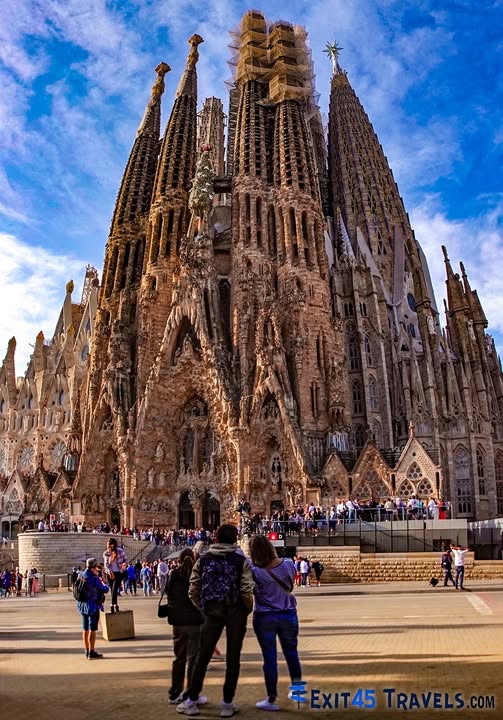
- Visit tourist sites (temples, churches, museums, landmarks)
- Wander without a plan and explore neighbourhoods
- Take day / overnight trips to nearby towns or regions
- Visit markets, shopping centres, cafés
- Try local restaurants, food stalls, and street food
- Go to wineries or breweries
- Attend concerts, plays, or local festivals and events
- Visit botanical gardens
- Join heritage walking tours
- Explore parks, beaches, and promenades
- Birdwatching or nature spotting
- Photography walks
- People-watching in public spaces
Daily Movement and Health
- Daily walks
- Gym workouts or weights
- Yoga, stretching, or classes
- Swimming (pools or beach)
- Hiking
- Tennis, pickleball or other sports
- Climbing or bouldering gyms
- Morning or evening walks (especially in warmer climates)
Learning and Personal Growth
- Taking online courses (e.g. photography)
- Learning a new language
- Learning a new skill (e.g. blogging, vlogging, social media management)
- Joining local classes (cooking, art, workshops)
- Reading books
- Listening to podcasts or audiobooks
- Learning about local culture and history
Hobbies and Creative Work
- Photography or videography
- Writing, blogging, or journaling
- Painting or creative projects
- Digital scrapbooking
- Genealogy research
- Gardening (when possible)
- YouTube, blogging or other creative projects
- Social media
Daily Life and Admin
- Grocery shopping
- Cooking meals
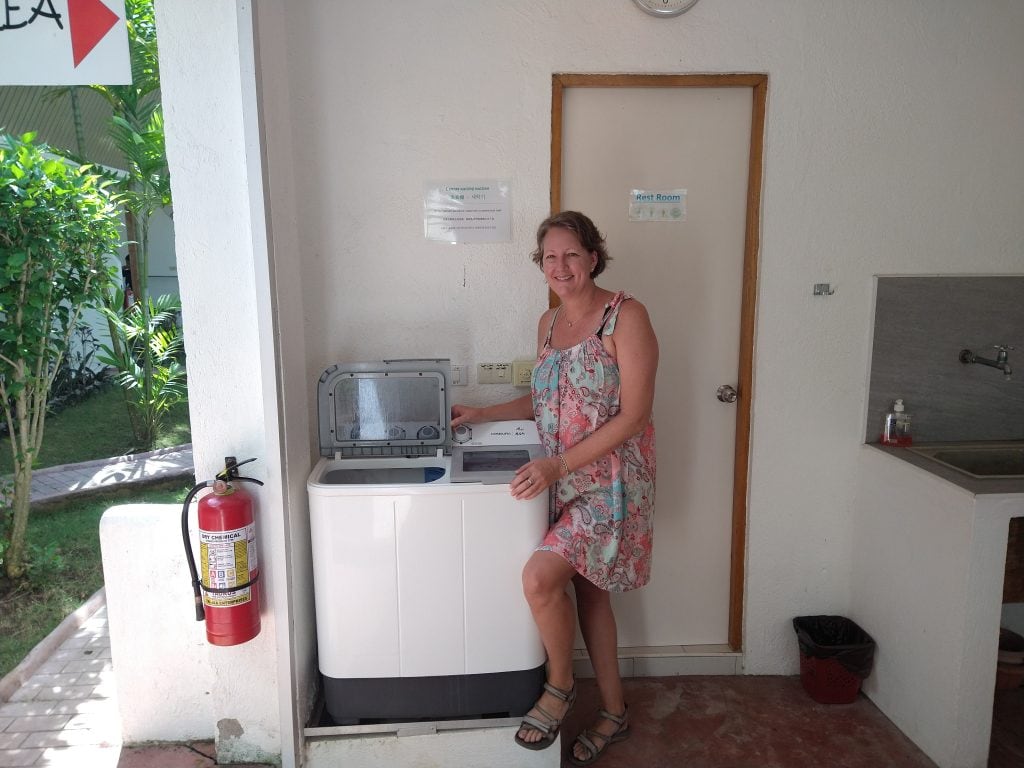
- Laundry
- Cleaning (especially when moving locations)
- Managing bookings and travel logistics
- Pet sitting or caring for animals
- General admin and ‘life’ tasks
Social and Community Life
- Attending expat or nomad meetups
- Joining group events
- Meeting locals and other travellers
- Planning meals or outings with friends
- Calling or messaging family back home
- Mentoring or helping others considering the lifestyle
Rest and Doing Nothing
- Slow mornings with coffee
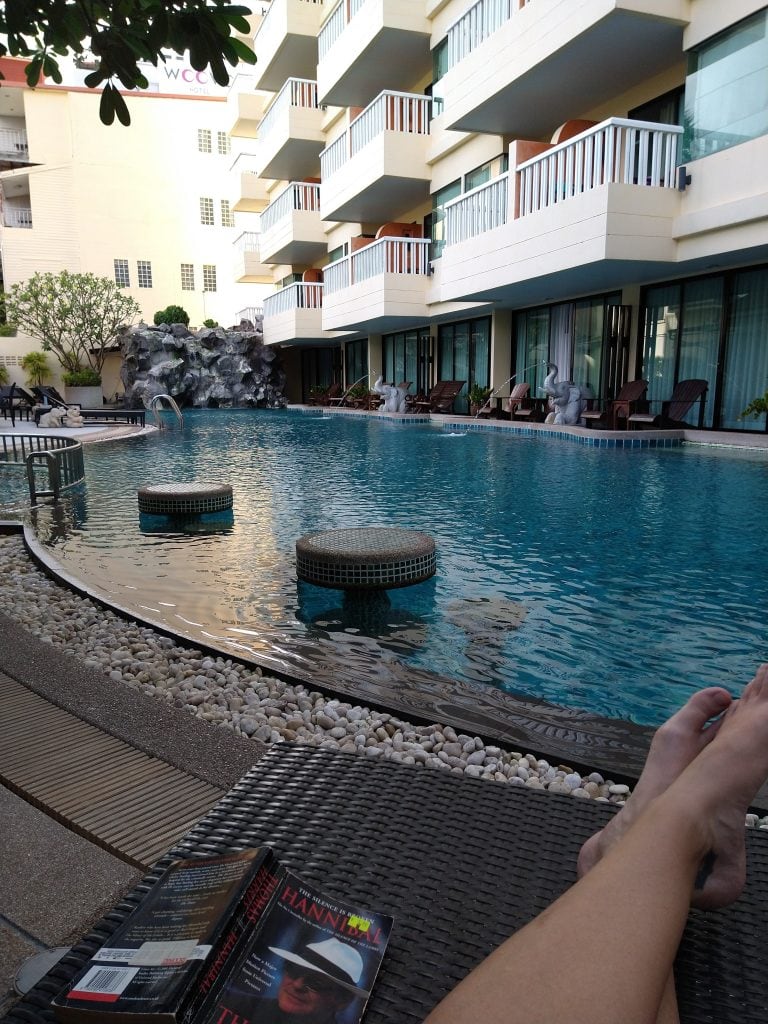
- Sitting by the beach, pool, or in parks
- Napping or enjoying quiet afternoons
- Watching movies or TV
- Reading for hours
- Having full ‘do nothing’ days
- Letting the day unfold without plans
Lifestyle Enjoyment
- Long lunches (often our main meal of the day)
- Sunset drinks or casual evenings out
- Cooking at home in apartments
- Exploring local food culture
- Slow breakfasts and relaxed mornings
Travel Planning and Logistics
- Researching future destinations
- Booking accommodation and transport
- Planning upcoming trips
- Creating lists of places to visit
- Structuring travel loosely (or not at all)
Work, Projects, or Side Hustles
- Remote work (full-time or part-time)
- Running a blog or website
- Managing a YouTube channel
- Side projects or creative work
- Passion projects or volunteering
If you want a little extra spending money while travelling full-time, there are plenty of ways to make money on the road.
Giving Back and Purpose
- Volunteering locally
- Language exchanges
- Helping within the community (e.g. beach clean-ups)
- Supporting others on a similar path
When people ask about the daily life of retired nomads, they’re usually expecting something very different.
But as you can see, it’s not about constantly doing exciting things.
It’s a mix of:
- Everyday life
- Movement
- Exploration
- Rest
- And a bit of planning in between
And that mix is what makes the lifestyle work.
The Real Shift: It’s Not About What You Do, It’s About Time
By now, you’ve probably noticed a pattern. It’s not that retired nomads are doing wildly different things all day. It’s that time feels completely different.
That’s the real shift.
When you step away from a traditional routine with no job, fixed schedule, or external pressure, your relationship with time changes.
You’re No Longer Structuring Life Around Productivity
For most of our working lives, time is structured around output. Meetings, deadlines, tasks, responsibilities.
Even free time tends to be squeezed in around everything else.
That disappears in this lifestyle.
There’s no constant pressure to be productive or to justify how you’re spending your day. You’re not measuring success by how much you get done.
Instead, your days are shaped by:
- How you feel
- What you feel like doing
- What needs to be done (but without urgency)
There’s No Urgency Anymore
One of the biggest changes is the absence of urgency.
You don’t feel like you have to rush out the door. You don’t feel like you’re running out of time in a destination. You don’t feel like every day has to be maximised.
If you don’t do something today, you can do it tomorrow.
Or next week.
Or not at all.
Simple Days Start to Feel Full
This is something that’s hard to explain until you experience it.
A day that might look ‘uneventful’ on paper can feel completely satisfying.
A walk, a good meal, a few hours reading, a conversation, a quiet afternoon… That’s enough to fill the day.
In the past, those things might have felt like filler.
Now, they are the day.
You Start Valuing Different Things
Over time, what matters shifts.
Instead of chasing big experiences, you start to appreciate:
- Having control over your time
- Not being rushed
- Simple routines
- Being present in your surroundings
The lifestyle becomes less about where you are, and more about how you’re living.
Is The Nomadic Retirement Lifestyle Right for You?
By this point, you’ve seen a more realistic picture of the pros and cons of nomadic life and what retired nomads do all day.
It’s not constant movement. It’s not packed itineraries. It’s not a permanent holiday.
It’s a lifestyle built around freedom, flexibility, and everyday living in different places.
And that means it won’t suit everyone.
It Suits People Who Enjoy Simplicity
If you like having full days planned, clear structure, and a busy schedule, this lifestyle can feel a bit too open.
But if you enjoy:
- Slower days
- Simple routines
- Flexibility in how you spend your time
Then it can be a very natural fit.
A lot of the enjoyment comes from appreciating small, everyday moments rather than chasing big experiences.
You Need to Be Comfortable Creating Your Own Structure
Without a job or fixed routine, no one is telling you how to spend your day.
That’s part of the appeal, but it’s also a responsibility.
Some people thrive in that environment. Others find it harder than expected.
Having a few anchors in your day, along with interests or hobbies, makes a big difference.
Adaptability Matters More Than You Think
Living in different places means constantly adjusting. New environments, different cultures, changing routines… It’s all part of the experience.
Most of the time, it’s enjoyable. But it does require a level of flexibility and patience.
It Helps to Know What You’re Moving Towards
One of the biggest factors is having something to “retire to.”
That could be:
- Travel itself
- Learning
- Creative projects
- Health and wellbeing
- Meeting new people
Without that, the freedom can feel a bit empty.
With it, the lifestyle feels full.
FAQs: What Retired Nomads Do All Day
Now that you have read about how retired nomads spend their time, you might still have a few questions. Don’t worry, we’ve got you covered! Here are some frequently asked questions about daily nomad life.
Do retired nomads get bored?
Sometimes, especially in the beginning. After years of structured routines and busy schedules, slowing down can feel unfamiliar. That initial boredom is often just part of the transition.
Over time, most people find that boredom fades as they:
* develop new interests
* settle into a rhythm
* start enjoying slower days
For many, it’s less about being busy and more about being content with how they spend their time.
What is a typical day for a retired nomad?
There isn’t a fixed routine, but most days follow a loose rhythm.
A typical day might include:
* a slow morning with coffee
* a walk or light exploring
* lunch out or at home
* some errands or travel planning
* downtime in the afternoon
* a simple evening (dinner, walk, or relaxing)
The key difference is flexibility. Days are shaped by mood, weather, and energy rather than a strict schedule.
Is nomadic retirement expensive?
It depends on how you travel.
Many retired nomads use strategies like slow travel and geoarbitrage to manage expenses. Living in places with a lower cost of living can often make this lifestyle more affordable than staying in your home country.
At the same time, costs can increase if you:
* move frequently
* stay in short-term accommodation
* treat every destination like a holiday
The lifestyle can be as affordable or as expensive as you choose to make it.
In Summary: A Typical Retired Nomad Routine
So, what do retired nomads do all day?
We live.
We move, we explore a little, we take care of everyday things, we rest, and we repeat, all at a pace that feels right for us.
Some days are active. Some days are quiet. Most days are a mix of both.
And that balance is what makes the lifestyle sustainable.
If there’s one thing to take away, it’s this:
👉 It’s not about filling your days with more.
👉 It’s about having the freedom to shape them in a way that feels good.
If you’re considering nomadic retirement, the biggest question is not how much you’ll do each day. It’s whether you’ll enjoy the rhythm of a slower, more self-directed life. If you’re already living this way, we’d love to hear what fills your days.
Feel free to contact us on Facebook or via email and let us know.
You Might Also Like
If this post has you thinking more seriously about a nomadic retirement lifestyle, these guides will help you take the next step:
👉 Is Nomadic Retirement for You? 11 Factors to Consider
If you’re still unsure whether this lifestyle is the right fit, this breaks down the key things to think about before making the move.
👉 The Advantages and Disadvantages of Nomadic Life: Our Personal Experiences
A more honest look at the pros and cons, based on what we’ve experienced since starting full-time travel.
👉 Our Top Slow Travel Tips for Nomadic Retirees
Slowing down is what makes this lifestyle work. These tips will help you avoid burnout and enjoy your days more.
👉 How to Pick a Travel Destination: 13 Factors to Consider
Not every destination suits every traveller. This guide helps you choose places that match your lifestyle and budget.
👉 Geoarbitrage for Nomadic Retirees: Maximising Life on a Budget
Where you travel has a big impact on your costs. This explains how to make your money go further without sacrificing quality of life.
👉 Or Start Here:
Your complete guide to planning and living a nomadic retirement lifestyle
DISCLAIMER: This article contains affiliate links and Nomadic Retirement Travel are a participant in the Amazon Services LLC Associates Program. That means if you click a link and make a purchase, we make a small commission at no extra cost to you. Please see our disclosure policy for more information.
