
Shoulder Season Travel: Better Weather, Fewer Tourists And Lower Prices

Shoulder season travel can mean lower prices, quieter destinations, and less stressful trips. Here’s why we rarely travel in peak season anymore.
For years, we assumed travelling in peak season was simply part of the deal. Summer in Europe. Dry season in Southeast Asia. School holiday periods. The ‘best’ time to travel according to most travel guides.
But after years of full-time travel, we slowly realised something: peak season often gave us some of our least enjoyable travel experiences.
We’ve sat sweating through unbearable heat in places like Rome and Hanoi, battled huge crowds through popular European cities, and watched accommodation prices double almost overnight during busy periods. In some destinations, it felt like we were spending more money for a worse experience.
It didn’t take us long to realise we needed to adjust when we travelled, not just where we travelled. That shift completely changed the way we travel now.
These days, we actively look for shoulder season travel whenever possible. We’ve found it gives us a much better balance of reasonable weather, lower prices, and fewer tourists. Places like Greece, Spain, Italy, Georgia, Thailand, and Vietnam have all been far more enjoyable for us outside peak tourist periods.
Shoulder season travel has also helped us slow down and travel longer without blowing out our budget. Better cruise deals, cheaper flights, discounted apartments, and quieter destinations all add up over time when you travel regularly.
In this post, we’ll explain what shoulder season travel actually means, why we prefer it so much, and some of the lessons we’ve learned after years of travelling this way.

What Is Shoulder Season Travel?
Shoulder season travel refers to the period between peak season and low season in a destination.
It’s the middle ground where tourism demand starts slowing down after the busiest months, or begins increasing before peak season arrives. Depending on the destination, shoulder season can fall in spring, autumn, or around the edges of a dry season.
For example:
- Southern Europe often has shoulder seasons in April, May, September, and October.
- In parts of Southeast Asia, shoulder season can fall just before or after the main dry season.
The exact timing varies a lot depending on climate, school holidays, festivals, and local tourism patterns.

Peak Season vs Shoulder Season vs Low Season
Peak season is usually the most expensive and crowded time to visit a destination. Weather conditions are often considered ‘ideal’, but that also means higher demand for flights, hotels, cruises, and tours.
Low season, or off season travel, sits at the opposite end. Prices can drop significantly, but weather conditions may be less favourable. In some places, heavy rain, extreme heat, storms, or business closures become more common.
For us, shoulder season sits somewhere in between, often providing a better balance of prices, crowds, accommodation availability, and sightseeing conditions.
In many destinations, we’ve found the actual travel experience improves outside peak season. You spend less time standing in queues, fighting for restaurant bookings, or trying to avoid crowds at major attractions.
It also feels easier to travel at a slower pace when destinations are less hectic.
Why Shoulder Season Travel Works So Well For Us As Full-Time Travellers
After years of being nomadic retirees, we’ve realised that when we travel often matters just as much as where we travel. Shoulder season has consistently given us a better balance of value, comfort, and overall travel experience.
Better Prices Without Sacrificing the Experience
One of the biggest advantages of shoulder season travel is the cost savings.
We’ve found excellent bargains on flights, cruises, and apartments simply by travelling slightly outside peak tourist periods. In countries like Greece, Spain, and Italy, accommodation prices can drop noticeably once the busiest summer weeks end.
For long-term travellers, those savings can make it much easier to travel longer for less or simply travel more comfortably.
What surprised us over time was how little we were actually giving up by avoiding peak season. In many destinations, the experience itself felt largely the same, but prices were noticeably lower.
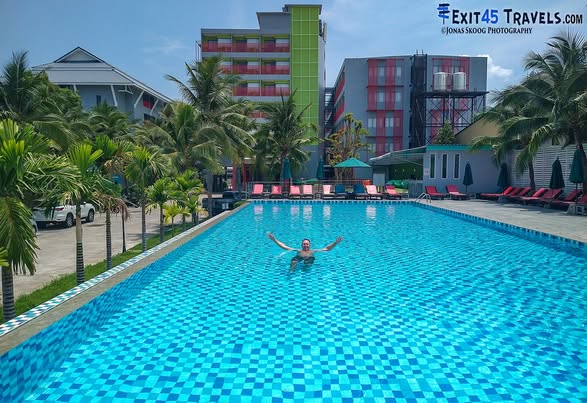
Easier Bookings and More Accommodation Choices
Peak season travel often means booking everything far in advance and paying premium prices for limited options.
During shoulder season, we’ve found it much easier to find affordable accommodation while travelling full time, often at far better prices. There’s also more flexibility to change plans without everything being fully booked.
Fewer Crowds and a More Relaxed Experience
Travelling outside peak season completely changes the feel of many destinations.
Popular places become easier to enjoy without packed streets, long queues, and fully booked restaurants. We spend longer enjoying everyday moments instead of rushing between attractions.
Shoulder season also helps us slow down and be a traveller, not a tourist. Quieter periods tend to create more natural interactions with locals and small business owners as well.

More Comfortable Weather in Many Destinations
Peak season weather is not always as enjoyable as travel guides make it sound.
We’ve experienced periods in Bangkok and Da Nang where the heat became exhausting and made sightseeing difficult during the middle of the day.
Shoulder Season Suits Slow Travel Perfectly
Shoulder season travel suits a slower style of travel extremely well.
Because we’re flexible with our dates, we can avoid the busiest periods and choose destinations when they feel calmer and more affordable.
That flexibility has become one of the biggest advantages when planning long-term travel. We also find slower travel much easier when accommodation is cheaper and destinations are less crowded.
For us, it creates a far less stressful rhythm overall.
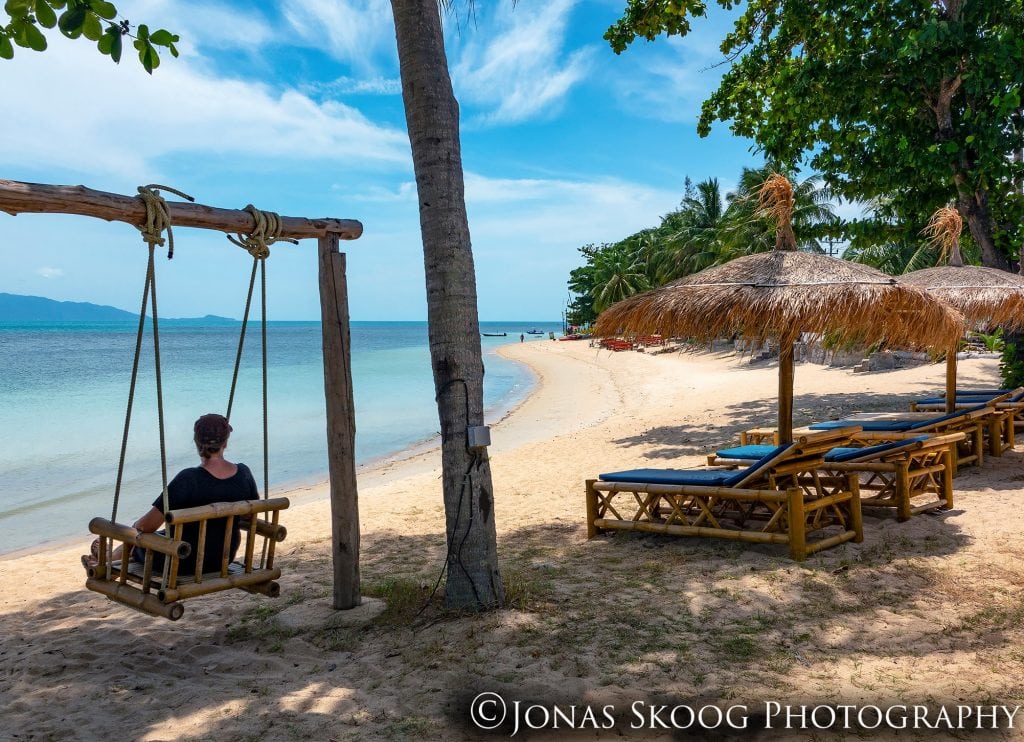
The Downsides of Shoulder Season Tourism
As much as we prefer shoulder season travel, it’s not always perfect.
The biggest trade-off is usually the weather.
Shoulder months sit between major tourism seasons for a reason, so conditions can sometimes be less predictable. You may experience cooler temperatures, more rain, rougher seas, or occasional storms depending on the destination.
We’ve had shoulder season trips where the weather was excellent almost every day, and others where we needed to adjust plans regularly.
Some destinations can also feel a little too quiet outside peak season. Certain restaurants, beach clubs, ferries, or tours may reduce their operating hours or close altogether. Smaller tourist towns especially can feel very different once the busy season ends.
This is why researching local seasonal patterns is important rather than blindly chasing the cheapest prices.
We’ve also learned that cheap doesn’t automatically mean better.
Sometimes travelling during the absolute cheapest period simply isn’t enjoyable. Extremely hot weather in places like Da Nang and Bangkok made sightseeing tiring for us, even though prices were lower. In other destinations, heavy rain during low season can seriously limit what you can do.
For us, shoulder season usually works best because it avoids both extremes: the crowds and high prices of peak season , and the difficult weather conditions often found during low season .
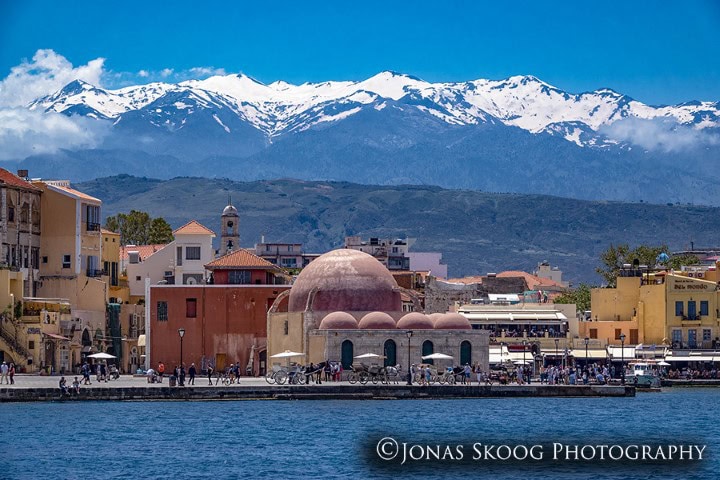
How We Plan Shoulder Season Trips
One thing we’ve learned over the years is that shoulder season dates vary a lot between destinations. What works well in Greece may be completely different in Thailand or Egypt.
Because of this, we spend more time researching local weather patterns and planning travel around the best months to visit rather than simply searching ‘best time to travel’.
Average temperatures alone don’t tell the full story. Humidity, rainfall, storms, heatwaves, local holidays, and cruise schedules can all heavily impact the experience in a destination.
We also try to stay flexible with our dates whenever possible.
Even shifting a trip by a couple of weeks can sometimes result in noticeably cheaper flights and accommodation. We’ve seen this happen many times in Europe where prices climb rapidly once school holidays begin.
Another thing we’ve stopped doing is blindly following generic travel advice online.
Many articles recommend travelling during the exact same popular months, which often creates the overcrowding people are trying to avoid in the first place. Some of our favourite travel experiences have actually happened just outside the busiest tourist months.
For us, shoulder season travel is really about balance:
- good enough weather
- reasonable prices
- fewer crowds
- a slower and more enjoyable pace of travel
That balance has become far more important to us than chasing ‘perfect’ weather.
FAQs: Travel During Shoulder Season
Now that we’ve covered what shoulder season travel is, why we prefer it, and some of the lessons we’ve learned over the years, you may still have a few questions. Below are some of the most common questions about shoulder season travel.
What is shoulder season travel?
Shoulder season travel refers to the period between peak season and low season in a destination. It usually offers a balance of lower prices, fewer crowds, and reasonably good weather conditions.
Is shoulder season cheaper than peak season?
In most cases, yes. Flights, accommodation, cruises, and tours are often cheaper during shoulder season because tourist demand is lower than during peak holiday periods.
What is the difference between shoulder season and low season?
Shoulder season sits between peak and low season. Low season is usually the cheapest period but may come with weather issues, business closures, or limited tourism services. Shoulder season often provides a better balance between price and overall travel experience.
When is the best time to travel during shoulder season?
It depends entirely on the destination. In much of Europe, shoulder season often falls in spring and early autumn. In Southeast Asia, shoulder season may occur just before or after the main dry season.
Is shoulder season travel good for retirees and long-term travellers?
We think it’s ideal for flexible travellers, retirees, and slow travellers. Being able to avoid school holidays and peak tourist periods makes it much easier to save money and enjoy a slower pace of travel.
Are there disadvantages to shoulder season travel?
There can be. Weather is sometimes less predictable, and certain tourist services or attractions may operate on reduced schedules. Some destinations can also feel quieter than expected outside peak season.
In Summary: Why Shoulder Season Is The Best Time To Travel
These days, one of the first things we consider when planning travel is not just where we want to go, but when we should go.
Shoulder season travel has consistently given us better value and a far more enjoyable pace of travel overall. We spend less time dealing with crowds and inflated prices, and more time actually enjoying the destinations we visit.
That doesn’t mean shoulder season is always perfect. Sometimes the weather is less predictable, and occasionally a destination can feel too quiet. But for us, the trade-offs are usually well worth it.
Over the years, we’ve found that some of our favourite travel experiences happened just outside the busiest tourist periods. Quieter streets in Europe, cheaper apartments near the beach, relaxed café afternoons, and more comfortable sightseeing days have all reinforced the same lesson for us:
The best time to travel is not always the most popular time to travel.
For flexible travellers, retirees, and anyone interested in slower long-term travel, shoulder season can be one of the smartest ways to travel longer, cheaper, and with far less stress.
Do you prefer travelling during shoulder season or peak season? Have you found any destinations that are far better outside the busiest tourist months? Feel free to contact us on Facebook or via email and let us know.
You Might Also Like
If you’re interested in travelling during shoulder season, slow travel, or avoiding the stress of peak tourist periods, these posts may also help with planning your next trip:
- Our Top Slow Travel Tips For Nomadic Retirees
How travelling slower can reduce costs, prevent burnout, and create more meaningful travel experiences. - How to Pick a Travel Destination: 13 Factors to Consider
A practical guide to choosing destinations based on weather, crowds, budget, and travel style. - Best Countries to Visit by Month (Complete Year-Round Travel Guide)
A useful starting point for planning trips around seasonal weather patterns and tourism periods. - 17 Best Slow Travel Destinations – Where To Live On Under $3000 USD A Month
Some of our favourite destinations for affordable slower travel and longer stays. - Geoarbitrage for Nomadic Retirees: Maximizing Life on a Budget
How choosing the right destinations at the right time can dramatically stretch your travel budget. - 8 Ways to Be a Traveller Not a Tourist: Slow Travel Tips for Meaningful Experiences
Simple ways to avoid rushed travel and enjoy more authentic experiences. - How to Plan Long-Term Travel: Our System for Planning a Year of Travel
The planning approach we use to organise flexible long-term travel throughout the year. - Or Start Here: Is Nomadic Retirement For You? 11 Factors To Consider
Our complete introduction to the realities, benefits, and challenges of a nomadic retirement lifestyle.
DISCLAIMER: This article contains affiliate links and Nomadic Retirement Travel are a participant in the Amazon Services LLC Associates Program. That means if you click a link and make a purchase, we make a small commission at no extra cost to you. Please see our disclosure policy for more information.
