13 Misconceptions About Full-Time Travel: Myths vs Reality (From Real Nomads)

Discover the biggest misconceptions about full-time travel and what life on the road is really like for long-term travellers.
We’ll be honest… Before we started travelling full-time, we had our own ideas about what it would be like.
We thought it would feel like one long holiday. Slower mornings, new places every week, and that constant sense of excitement you get when you’re on a trip. And to be fair, some of that is true in the beginning.
But it doesn’t take long before things shift.
At some point, long-term travel stops feeling like a break from life and starts feeling like… life. You still need to cook meals, do laundry, plan your next move, and figure out where you’re going to stay next month. Some days are productive. Some days are boring. Some days don’t go to plan at all.
A lot of what we see online doesn’t show that side of things. It’s easy to assume that this lifestyle is always relaxing, always exciting, and only possible if you have a lot of money.
That hasn’t been our experience.
After living this lifestyle since 2018, we’ve realised that many of the common beliefs about full-time travel don’t quite match reality. Some are oversimplified. Others are just plain wrong.
In this post, we’re breaking down the most common misconceptions about full-time travel, and sharing what it actually looks like day-to-day, based on our own experience.
Nomadic Lifestyle Misconceptions: Key Takeaways
If you’re in a hurry, here’s a quick list of the most common misconceptions about travelling full-time:
- Full-time travel is not a permanent holiday. It becomes everyday life in different locations
- You still manage routines like cooking, budgeting, and planning travel logistics
- It’s not just for wealthy people — cost depends on how and where you travel
- It’s not always relaxing — travel days, planning, and decision fatigue are real
- Slower travel makes the lifestyle more sustainable and often more affordable
- You won’t see everything — travel shifts from ticking boxes to deeper experiences
- It’s not always glamorous — there are challenges, delays, and unexpected issues
- You may miss home, routine, and familiar connections
- Travel doesn’t solve personal problems — you take your mindset with you
- There’s no single ‘right way’ to do it—you can shape it to suit your lifestyle
The Biggest Misconceptions About Full-Time Travel
Before we started our nomadic retirement, most of what we believed came from what we saw online or what others told us.
Some of it was helpful. A lot of it wasn’t.
The reality is, this lifesyle looks very different once you’re actually living it day-to-day. It’s less about constant movement and more about building a lifestyle that works for you on the road.
Below are some of the most common misconceptions we’ve come across, along with what they actually look like in real life.
1. It’s One Long Holiday
Misconception:
Full-time travel feels like an endless vacation… Relaxed mornings, constant sightseeing, and that same excitement you get on a short trip.
Reality:
It quickly becomes everyday life, just in a different location.
The daily routines don’t disappear. They just follow you. You still need to:
- do laundry
- cook meals
- manage your budget
- plan your next destination
- organise accommodation and transport
- manage banking and life admin
Some days, you don’t go out at all. You might be catching up on admin, working through logistics, or just having a quiet day at the apartment.
Our Experience:
In the early days, we tried to treat every destination like a holiday. We packed our days, moved quickly, and tried to see as much as possible.
It didn’t last long.
After a few months, we were exhausted. That constant ‘holiday mode’ isn’t sustainable when you’re living this way full-time. Over time, we naturally slowed things down. Now, it’s completely normal for us to spend a few days doing very little like cooking at home, planning future travel, or simply resting.
And honestly, those days are just as important as the ones where we’re out exploring.

2. You Need to Be Rich to Travel Full-time
Misconception:
Nomadic travel is only possible if you have a lot of money or a high income.
Reality:
It’s less about how much you earn and more about how you choose to spend.
In many cases, living and travelling full-time can actually cost less than staying in one place, especially if you’re based in a high-cost country. The key difference is that your spending shifts.
Instead of paying for things like:
- mortgages or high rent
- house maintenance
- multiple cars
- subscriptions and unused expenses
you’re directing your money toward accommodation, food, and experiences in places where your budget often goes further.
Our Experience:
One of the biggest surprises for us was how much further our money stretched once we left home.
By spending time in places like Southeast Asia and parts of Eastern Europe, we found we could maintain a comfortable lifestyle for far less than what we used to spend back in Australia. Longer stays helped reduce accommodation and transportation costs, and living more like locals (shopping at markets, cooking at home, using public transport) made a big difference.
We’ve also used geoarbitrage without even realising it at first. Earning or drawing from savings in a stronger currency while spending in a lower-cost country changes everything.
3. It’s Always Relaxing
Misconception:
Long-term travel is calm, easy, and stress-free most of the time.
Reality:
It can be relaxing, but it’s not consistently comfortable.
There are plenty of great moments, but they’re balanced out by:
- long and tiring travel days
- delays and unexpected changes
- time spent researching and booking
- decision fatigue from constantly planning what’s next
Even simple things can take more effort when you’re in a new place.
Our Experience:
We’ve had days where everything feels effortless — great accommodation, good weather, no plans, and nowhere to be.
But we’ve also had plenty of days that feel the opposite.
Early mornings for flights, long transit days, arriving somewhere tired only to find the accommodation isn’t what we expected. Then there’s the ongoing planning i.e. figuring out where to go next, comparing options, booking transport, checking visa requirements.
Over time, we realised that this lifestyle isn’t about being relaxed all the time. It’s about having the freedom to choose how we spend our time, even if that sometimes includes dealing with stressful situations.
4. You’re Constantly Moving
Misconception:
Nomadic retirement travel means changing locations every few days or constantly being on the move.
Reality:
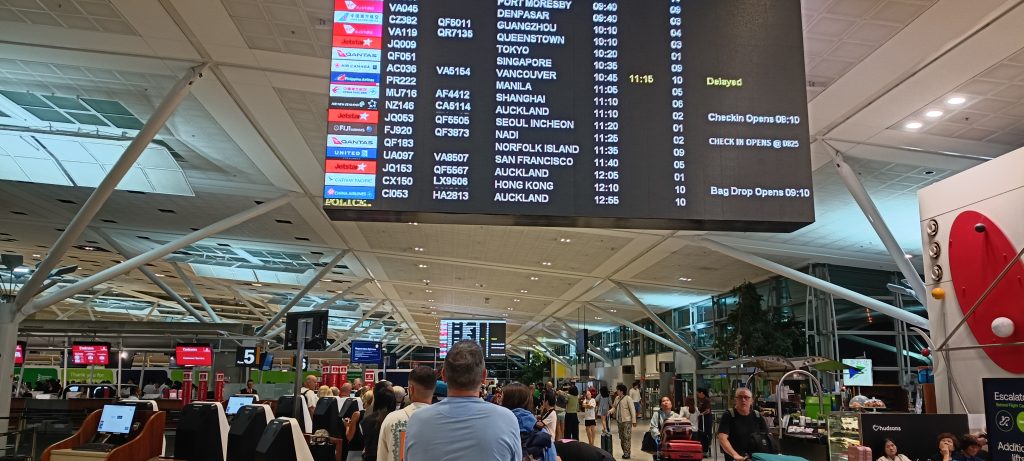
Most long-term travellers slow down significantly and stay in one place for weeks or even months.
Constant movement might work for short trips, but it becomes exhausting very quickly when it’s your lifestyle. Slower travel is not just more sustainable, it’s often more enjoyable and more affordable.
Our Experience:
In the beginning, we moved around far more than we should have.
We tried to see as much as possible, hopping between destinations and packing our schedule. It felt exciting at first, but it didn’t take long before travel fatigue caught up with us.
Now, we stay much longer in each place. It gives us time to settle into a routine, explore at our own pace, and avoid the constant cycle of packing, travelling, and adjusting to a new environment.
It also makes a big difference financially. Longer stays often mean better accommodation rates and fewer transport costs.
5. You’ll See Everything
Misconception:
If you travel full-time, you’ll eventually see all the places on your list and make the most of every destination.
Reality:
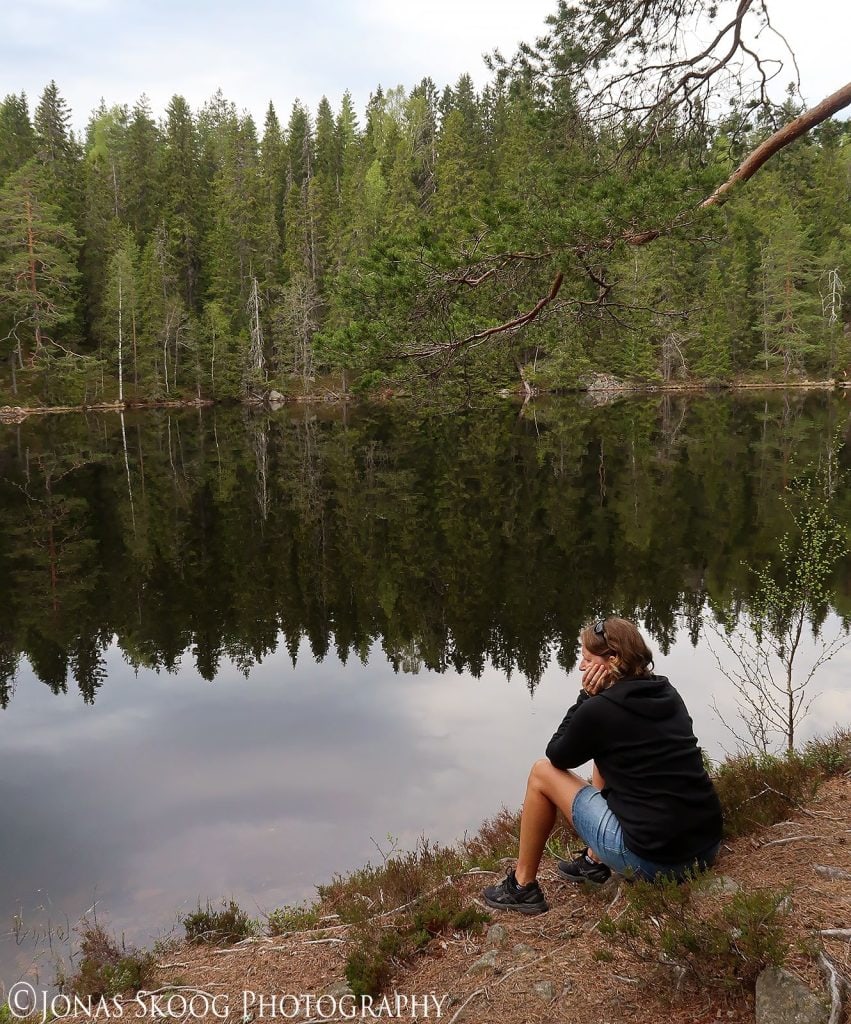
You won’t see everything, and you’re not meant to.
Energy levels, weather, timing, and changing priorities all play a role. Plans shift. Some days you’re motivated to explore, and other days you’re not.
And that’s completely normal.
Our Experience:
There have been plenty of places where we arrived with a list of things we wanted to do, and left having only done half of them.
Sometimes we just didn’t feel like rushing around. Other times, we found ourselves enjoying simple routines more than ticking off attractions.
We’ve also learned that trying to do everything often takes away from the experience. When we slow down and focus on a few things, we tend to enjoy them more.
Over time, we’ve become more comfortable leaving things unseen. There’s always more to explore, and that pressure to ‘fit it all in’ fades.
6. Full-Time Travel Is Expensive
Misconception:
Travelling full-time costs more than living at home and quickly drains your savings.
Reality:
It can be, but it doesn’t have to be.
The cost of full-time travel depends heavily on:
- where you go
- how fast you travel
- how you choose to live day-to-day
With the right approach, many people actually spend less than they did at home.
Our Experience:
We’ve found that our overall costs often come down when we slow travel and base ourselves in lower-cost countries.
Staying longer in one place reduces accommodation costs significantly. Instead of paying nightly rates, we look for weekly or monthly stays, which often come at a discount.
We also live more like locals. That means:
- shopping at supermarkets and local markets
- cooking many of our meals
- using public transport instead of taxis
- avoiding tourist-heavy areas where prices are inflated
When we compare this to our previous lifestyle of mortgage, bills, cars, and day-to-day expenses in Australia, the difference is noticeable.
Of course, there are still more expensive periods, especially when travelling through places like Western Europe. But overall, it balances out.
7. It’s Glamorous All the Time
Misconception:
Full-time travel is always exciting, beautiful, and Instagram-worthy.
Reality:
There are great moments, but there’s also a lot that never makes it into photos.
Delays, illness, underwhelming accommodation, and the general admin of travel are all part of the experience. Not every destination lives up to expectations, and not every day feels memorable.
Our Experience:
We’ve had our share of those ‘perfect’ moments — great views, amazing food, and experiences we’ll never forget.
But we’ve also dealt with:
- long delays and missed connections
- getting sick while travelling
- arriving at accommodation that didn’t match the photos
- constant bad weather (rain, flooding, intense heat, high pollution levels)
- spending hours researching and booking the next destination
These moments don’t get shared as often, but they’re part of the lifestyle.
Over time, we’ve come to accept that long-term travel isn’t about constant highlights. It’s about the overall experience — the good, the average, and the frustrating.

8. You Have to Quit Everything Forever
Misconception:
To travel full-time, you need to sell everything, walk away from your old life, and commit to it permanently.
Reality:
There are many ways to approach this lifestyle, and it doesn’t have to be all or nothing.
Some people:
- take an extended break or adult gap year
- have a home base and travel for part of the year
- test the lifestyle before committing long term
- keep a home base to return to
There’s no single path you have to follow.
Our Experience:
Before we fully committed, we didn’t know if this lifestyle would suit us long term.
That’s why we treated it as a trial at first — our own version of an adult gap year. It gave us the space to experience full-time travel without the pressure of thinking it had to last forever.
Over time, that trial turned into something more permanent. But even now, we know that things can change. Travel styles evolve, priorities shift, and there’s always the option to adjust.
9. It’s All Freedom and No Responsibility
Misconception:
Nomad life means total freedom with no real responsibilities or obligations.
Reality:
You still have responsibilities. They just look different.
Instead of the responsibilities tied to a fixed home base, you’re managing:
- budgets and ongoing expenses
- visa rules and entry requirements
- travel insurance and healthcare considerations
- accommodation bookings and transport logistics
There’s a constant level of planning involved, even if it becomes second nature over time.
Our Experience:
One of the biggest adjustments for us was realising how much ongoing organisation this lifestyle requires.
There’s always something to think about:
- where we’re going next
- how long we can stay
- how to get there
- where to stay within budget
Even during longer stays, there’s still background planning happening for the next move.
At first, it can feel overwhelming. Over time, you build travel planning systems and routines that make it easier, but the responsibility never fully disappears.
10. You Need to Speak the Language
Misconception:
You need to speak the local language fluently to travel full-time comfortably.
Reality:
It helps, but it’s not essential.
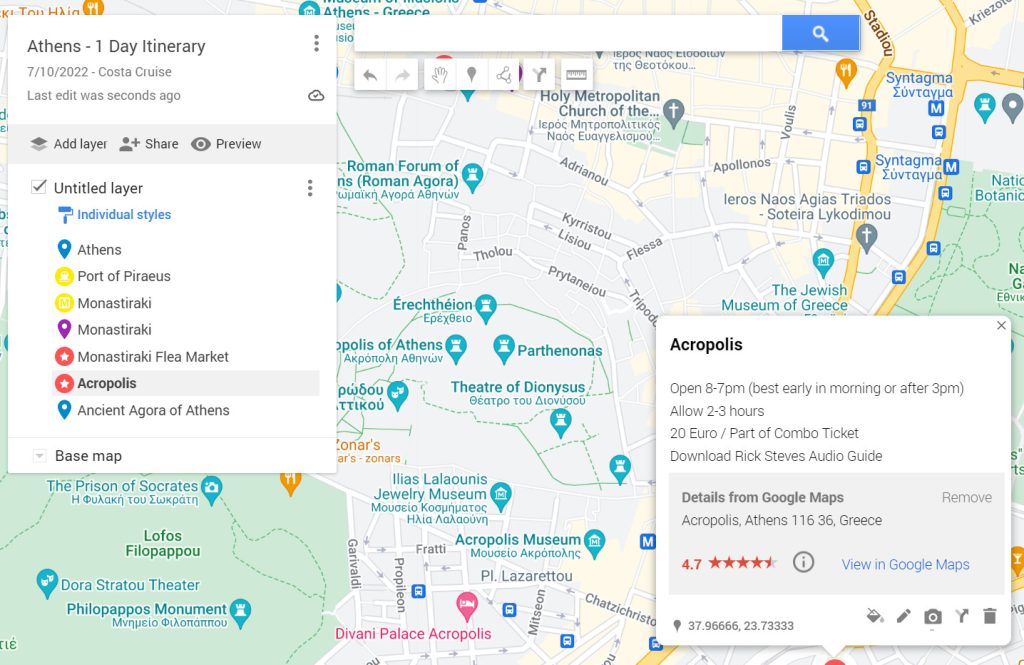
Basic phrases, a willingness to try, and a bit of patience go a long way. Technology has also made things much easier, with translation apps and maps handling a lot of the heavy lifting.
Our Experience:
We’ve travelled through many countries where we didn’t speak the language beyond a few simple words.
At first, it felt a bit uncomfortable. Ordering food, asking for directions, or dealing with small issues took more effort. But over time, it became clear that most situations can be worked through with:
- simple phrases
- gestures
- translation apps
We’ve also found that people are generally patient and willing to help, especially when you make an effort.
That said, learning a few basics like greetings, numbers, and polite phrases, makes a big difference and shows respect for the local culture.
11. You’ll Just Do It When You Retire
Misconception:
Nomadic retirement travel is something you can always do later, once you fully retire and have more time.
Reality:
Time alone isn’t the only factor. Health, energy levels, and personal circumstances all play a role.
Waiting until ‘someday’ can mean facing limitations you didn’t expect.
Our Experience:
Before we started, we also assumed this was something we would do later in life.
But over time, we began to question that. We had family dealing with health issues or changes in circumstances that made long-term travel more difficult, or no longer possible.
That was a HUGE turning point.
We realised that while financial planning is important, so is timing. The ability to move around easily, adapt to new environments, and handle the physical side of travel isn’t guaranteed forever.

12. You Won’t Miss Home
Misconception:
Once you start travelling full-time, you won’t miss your old life, your home, or the people you left behind.
Reality:
You probably will, at least sometimes.
Even if you love the lifestyle, there are moments where you miss:
- family and close friends
- familiar routines
- having a place that feels like your own
Those feelings come and go, but they’re a normal part of long-term travel.
Our Experience:
There have definitely been times where we’ve felt homesick.
Missing important events back home, not being there for everyday moments with family and friends, or simply craving familiarity after a long period of moving around. It all adds up over time.
We’ve also noticed that certain periods make it stronger, like holidays or when we’ve been travelling for a long stretch without a break.
Over time, we’ve learned to manage it. Staying connected, planning visits, and having places we return to regularly has helped create some sense of stability.
13. Travel Will Fix Your Life
Misconception:
Changing your location will automatically make you happier, more fulfilled, or solve underlying problems.
Reality:
You still take yourself with you.
Travel can be refreshing and give you a new perspective, but it doesn’t automatically change your habits, mindset, or challenges.
Our Experience:
Travel has given us incredible experiences and a different way of living, but it hasn’t removed every challenge.
If anything, it can highlight things more clearly.
There’s more time to think. More decisions to make. Less distraction from everyday routines. And without a familiar structure, you’re often faced with yourself in a different way.
We have found that while travel can create positive change, it doesn’t replace the need to work through things personally.

The Real Shift: It’s Not Travel, It’s a Different Way of Living
One of the biggest things we didn’t fully understand before we started was this: Full-time travel isn’t really about travel.
At some point, the focus shifts. You’re no longer planning trips or counting down to the next holiday. You’re just living your life, but in a different location.
That shift changes everything.
You’re Not On Holiday Anymore
There’s no ‘normal life’ waiting at the end of the trip. This is your normal life. The routines, the responsibilities, and the slower days all become part of it.
We often say to ourselves that we’re not on vacation, we’re just living life in a different place.
Your Priorities Start To Change
In the beginning, it’s easy to focus on seeing as much as possible. But over time, that becomes less important.
Things like:
- comfort
- routine
- having a good place to stay
- access to everyday essentials
start to matter more than ticking off attractions.
Minimalism Becomes Practical, Not Just Philosophical
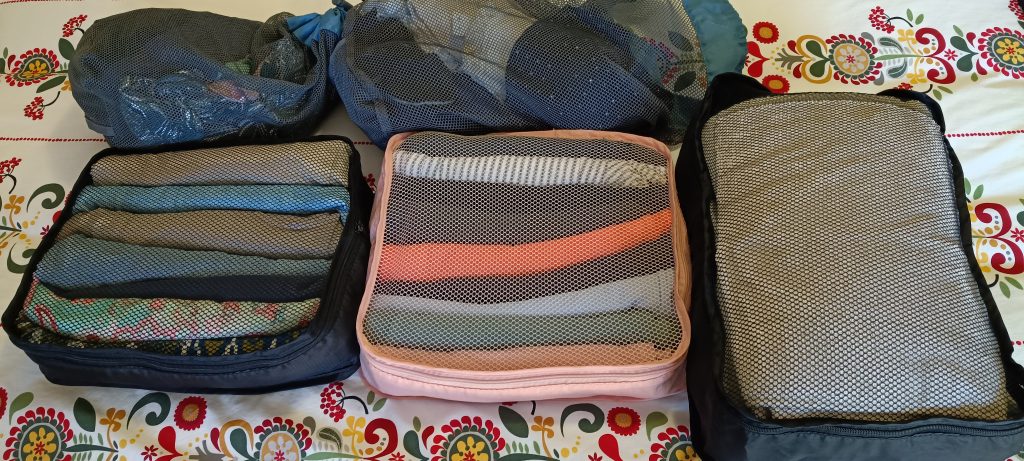
When everything you own fits into a suitcase, you become more intentional about what you keep.
It’s not about having less for the sake of it. It’s about making travel easier and reducing the mental load that comes with too many possessions.
There Are Real Trade-Offs
This lifestyle comes with benefits, but also sacrifices.
Things like:
- being away from family and friends
- not having a permanent home
- constantly adapting to new environments
are part of the experience.
For us, the trade-offs have been worth it, but they’re still there.
The Identity Shift Is Real
You’re no longer working towards retirement or waiting for time off to travel.
You’re simply living differently. And that can take time to adjust to.
What Most People Get Wrong About Nomadic Life
Beyond the common myths, there are a few things that rarely get talked about, but make a big difference once you’re living this lifestyle.
These aren’t deal-breakers. But understanding them upfront helps set more realistic expectations.
The Mental Load Is Higher Than You Expect
One of the biggest surprises for us was how mentally demanding this lifestyle can be.
There’s a constant stream of decisions:
- where to go next
- how long to stay
- which accommodation to choose
- how to get from one place to another
Even small decisions add up over time.
Our Experience:
At first, this felt exciting. Every decision was part of the experience.
But after a while, it can become tiring. Having to think ahead all the time, while still trying to enjoy where you are, creates a kind of background pressure.
We’ve learned to manage this by planning less frequently and staying longer in each place.
Key Insight:
Freedom comes with decision-making and that can lead to decision fatigue if you’re not careful.
Your Comfort Level Changes Over Time
What felt acceptable at the beginning doesn’t always stay that way.
Our Experience:
Early on, we were more flexible with things like:
- basic accommodation
- long travel days
- moving around frequently
Over time, we’ve naturally shifted toward:
- more comfortable stays
- fewer travel days
- a slower pace
It’s not about losing the sense of travel, it’s about making the lifestyle sustainable long term.
Key Insight:
Your travel style will evolve and that’s a good thing.
You Don’t Escape Yourself
Changing location doesn’t automatically change your life.
Our Experience:
We’ve realised that your habits, mindset, and challenges come with you.
Travel can give you space and perspective, but it doesn’t replace personal growth or solve deeper issues.
Key Insight:
A new environment can support change, but it doesn’t create it on its own.
It Can Feel Lonely at Times
This is something that isn’t talked about enough.
Our Experience:
Even though you meet people along the way, there are still moments where you miss:
- deeper connections
- long-term friendships
- familiar faces
It’s different from being surrounded by your usual support network.
Key Insight:
Connection takes more effort on the road—but it’s still important.
There’s No ‘Right Way’ to Do This
One of the most common pressures people feel is trying to do nomad life the ‘correct’ way.
Our Experience:
We’ve met people travelling in completely different ways:
- fast vs slow
- luxury vs budget
- structured vs flexible
And all of them make it work in their own way.
Key Insight:
There’s no single version of this lifestyle. You build it around what works for you.
Is Full-Time Travel Right for You?
After all of this, the question isn’t whether this lifestyle is good or bad.
It’s whether full-time travel is right for you.
This lifestyle offers a lot — freedom, flexibility, new experiences, and a completely different way of living. But it also comes with trade-offs, responsibility, and moments that don’t always match expectations.
What we’ve learned is this: There’s no perfect version of full-time travel.
Some people thrive on constant movement. Others prefer staying in one place for months. Some travel on a tight budget. Others prioritise comfort. Some go all in, while others test it for a shorter period.
All of these approaches are valid.
If you’re considering it, you don’t have to commit to a permanent change straight away. Starting with a shorter experience like an extended trip or an adult gap year can give you a much clearer idea of whether it suits your personality, priorities, and lifestyle.
It also gives you the chance to figure out what works for you without the pressure of making it long term.
For us, that trial made all the difference.
It helped us move from uncertainty to clarity, and eventually into a lifestyle that we’ve continued since 2018.
If you are looking for a structured way to get started:
👉 The Nomadic Retirement Roadmap
FAQs: Myths About Full-Time Travel
Now that you have seen the most common misconceptions about long-term travel, you might still have a few questions. Don’t worry, we’ve got you covered! Here are some frequently asked questions about nomad life.
Is full-time travel really cheaper than living at home?
It can be, depending on how you travel. Many people spend less by staying longer in one place, choosing lower-cost countries, and living more like locals. Fast travel and frequent flights increase costs, while slow travel helps keep them manageable.
What are the biggest misconceptions about nomadic life?
Common misconceptions include thinking it’s one long holiday, always relaxing, or only for wealthy people. In reality, full-time travel involves routines, planning, and trade-offs. It’s a lifestyle, not a constant vacation.
Is full-time travel lonely?
It can be at times. While you meet people along the way, you may miss deeper connections with family and friends back home. Staying longer in places and keeping in touch regularly helps maintain a sense of connection.
Do you need a lot of money to travel full-time?
No, but you do need a plan. Full-time travel is more about managing your spending than earning a high income. Choosing affordable destinations and travelling slowly can make it accessible for many people.
Is full-time travel stressful?
It can be, especially with travel days and ongoing planning. Constant decision-making and logistics can become mentally tiring over time. Many travellers reduce stress by slowing down and staying longer in each destination.
How do people afford to travel full-time?
People fund full-time travel in different ways, including savings, retirement income, or remote work. Many also reduce expenses by downsizing and choosing lower-cost destinations. It often comes down to planning and intentional spending.
What is the hardest part of full-time travel?
The hardest part is often the mental load rather than the travel itself. Constant planning, decision-making, and lack of routine can be tiring. It can also be challenging to manage loneliness or adjust to new environments regularly.
How long do people usually travel full-time?
There’s no set timeline. Some travel for a few months, while others continue for years. Many people start with a shorter trial period to see if the lifestyle suits them.
Is full-time travel suitable for retirees?
Yes, and it’s becoming more common. Many retirees enjoy the flexibility and slower pace, especially in lower-cost destinations. Health, insurance, and comfort tend to play a bigger role in how they approach travel.
In Summary: Common Misconceptions About Nomad Travel
Many of the common misconceptions about full-time travel come from seeing only one side of the story.
It’s easy to focus on the highlights such as the places, the experiences, the freedom, and assume that’s the full picture.
But like any lifestyle, there’s more to it.
There are routines, responsibilities, trade-offs, and moments that feel completely ordinary. There are also challenges of nomadic living that don’t get talked about as often, alongside experiences that make it all worthwhile.
For us, full-time travel hasn’t been a constant holiday, but it has been a meaningful way to live.
And that’s really what it comes down to.
Are you planning a nomadic life or are you currently a nomad? Have we missed anything we should add to this list of misconceptions or do you still have questions? Feel free to contact us on Facebook or via email and let us know.
You Might Also Like
If you’re thinking more seriously about full time travel or nomadic life, these guides will help you take the next step:
👉 The Nomadic Retirement Roadmap: How To Travel The World After Retirement👉 Is Nomadic Retirement Right for You? 11 Factors To Consider
👉 Is a Full Time Travel Lifestyle For You? What To Consider
👉 The Advantages and Disadvantages of Nomadic Life: Our Personal Experiences👉 Can You Afford to Travel Full Time? Real Costs, Budget & Lifestyle Breakdown👉 How To Travel Full Time And Make Money: 35+ Ideas
DISCLAIMER: This article contains affiliate links and Nomadic Retirement Travel are a participant in the Amazon Services LLC Associates Program. That means if you click a link and make a purchase, we make a small commission at no extra cost to you. Please see our disclosure policy for more information.
