The Nomadic Retirement Roadmap: How To Travel The World After Retirement

Start Here: New to Nomadic Retirement Travel? This guide walks through the four stages of transitioning into a nomadic retirement lifestyle.
Dreaming about travelling the world after retirement but not sure where to start?
For many people, the idea of long-term travel sounds exciting, but also overwhelming. Questions about finances, logistics, safety, and lifestyle can make the dream feel complicated or even unrealistic.
We understand that feeling well.
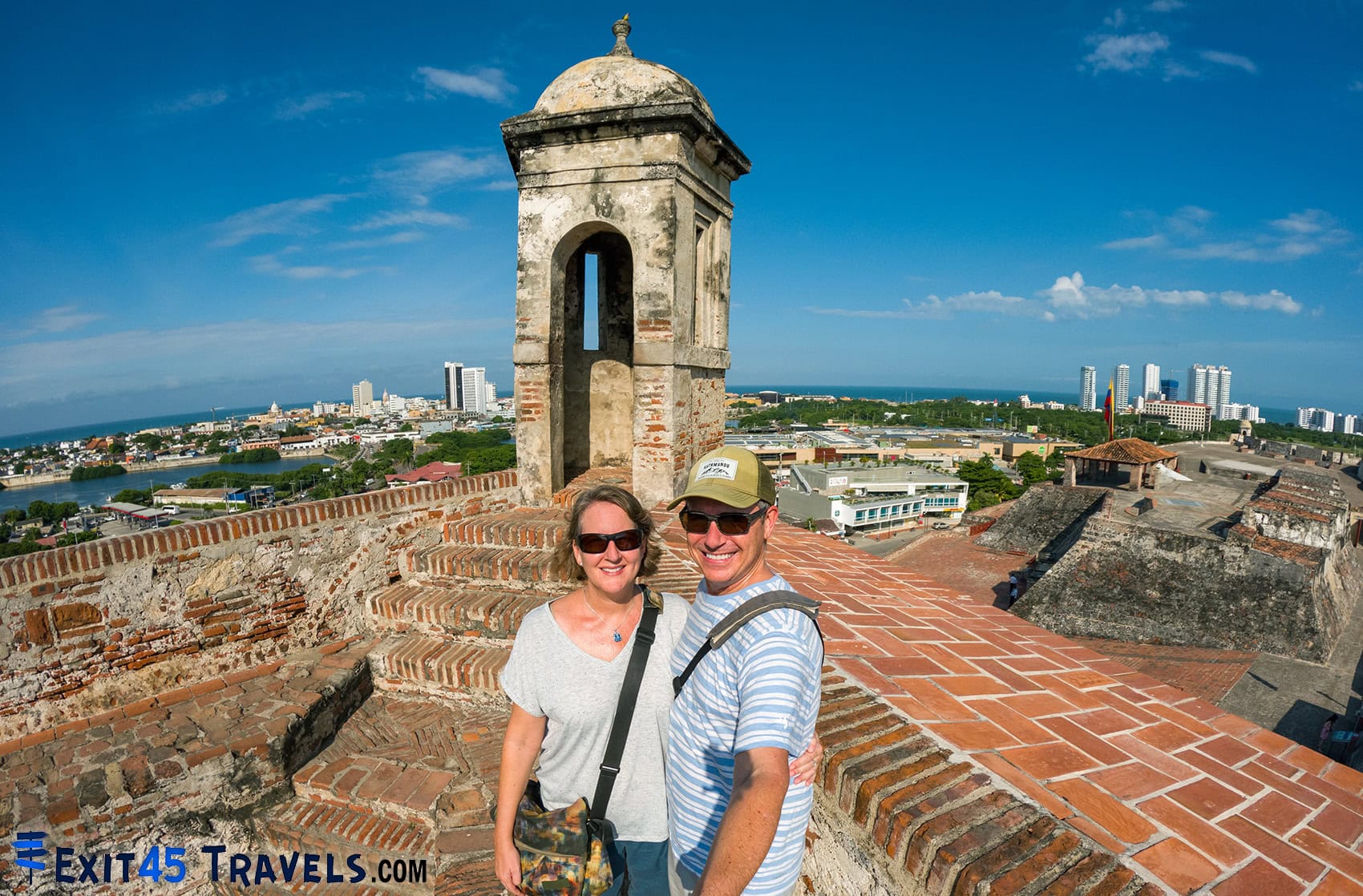
In 2018, we made a life-changing decision. We retired early, sold most of our belongings, and began travelling the world full-time. Since then we’ve explored 80+ countries, embracing a slower style of travel that allows us to truly experience the places we visit.
Along the way we discovered something surprising: long-term travel is very different from traditional vacations.
It’s not about rushing from one destination to another or trying to see everything. Instead, it’s about creating a lifestyle built around freedom, curiosity, and meaningful experiences.
But getting there doesn’t happen overnight.
Becoming a nomadic retiree involves a series of decisions:
- understanding whether the lifestyle is right for you
- preparing for the transition
- organising finances, and
- learning how to live and travel long-term.
That’s exactly why we created this guide.
This Nomadic Retirement Roadmap walks through the key stages of transitioning into a life of full-time travel. Whether you’re just beginning to explore the idea or actively planning your departure, the sections below will help you understand what the journey looks like and where to start.
What You’ll Learn in This Guide
In this roadmap we’ll explore:
• whether the nomadic retirement lifestyle is right for you
• the mindset shift required for long-term travel
• how to prepare for leaving home
• how to make the lifestyle financially possible
• what life on the road actually looks like
Each stage also links to detailed guides where we dive deeper into the practical steps.
Think of this page as your starting point for building a nomadic retirement lifestyle.
Let’s begin.
The Nomadic Retirement Roadmap: Key Takeaways
If you’re in a hurry, here’s a quick list of the key points in this article:
- Nomadic retirement turns travel into a lifestyle rather than occasional vacations.
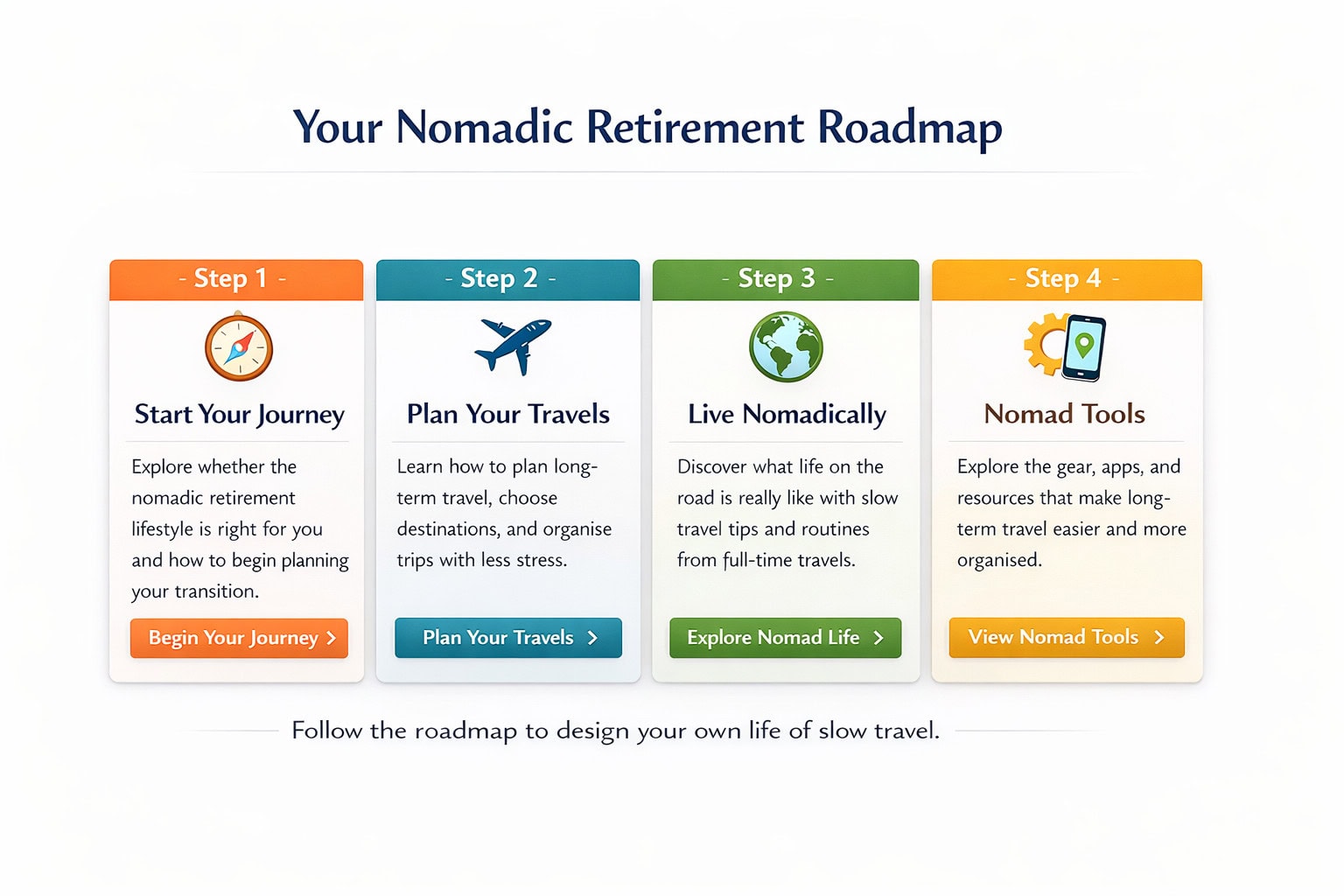
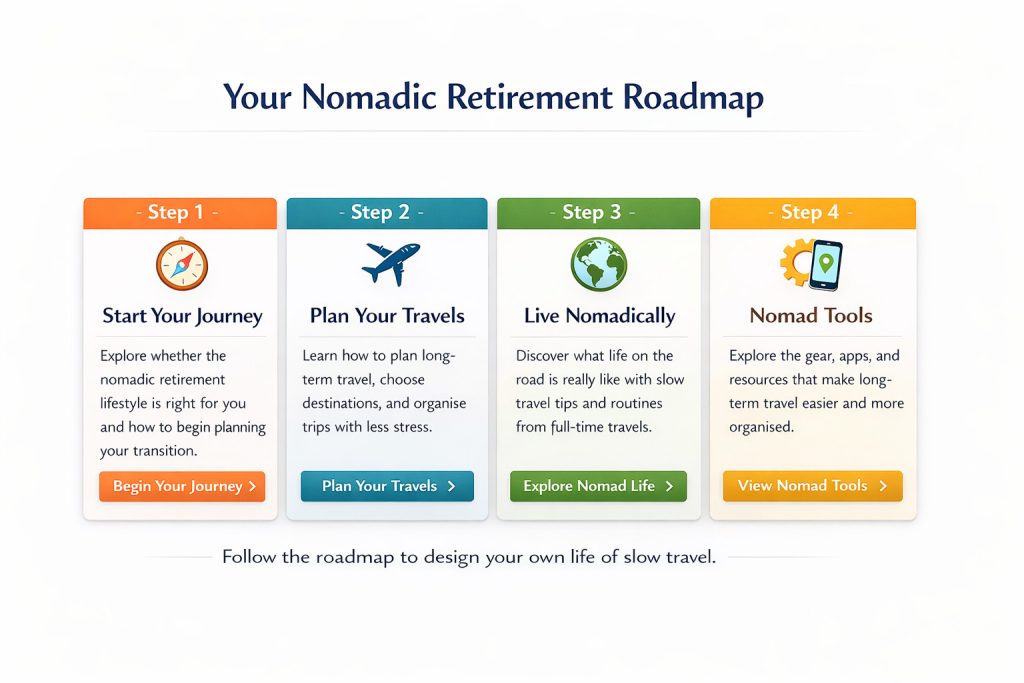
- The transition usually follows four stages: Start → Plan → Live → Tools.
- Slow travel makes long-term travel more sustainable and affordable.
- With preparation and the right mindset, many retirees discover the lifestyle is easier than they expected.
What Is Nomadic Retirement?
Nomadic retirement is a lifestyle where travel becomes your way of living rather than something you do once or twice a year.
Instead of settling permanently in one location, nomadic retirees move between destinations, often staying weeks or months in each place while slowly exploring the world.
For some people this means travelling continuously from country to country. For others it might involve spending several months each year abroad while maintaining a home base somewhere else.
There is no single “correct” way to do it.
What defines nomadic retirement is the shift from vacation travel to lifestyle travel.
Traditional retirement often focuses on settling in one place, perhaps occasionally taking trips. Nomadic retirees turn that idea upside down. Travel becomes part of everyday life rather than a break from it.
Many people who adopt this lifestyle also embrace slow travel, choosing to stay longer in each destination instead of rushing through a long list of places. Staying longer allows you to experience everyday life such as visiting local markets, discovering neighbourhood cafés, and walking the same streets each morning, rather than simply seeing tourist attractions.
This slower pace makes long-term travel more sustainable, both financially and emotionally.
Another common misconception is that nomadic retirement requires extreme wealth. In reality, many retirees discover that living abroad can cost less than staying at home, particularly when travelling slowly and choosing destinations with lower living costs.
Of course, the lifestyle isn’t without challenges. Constant movement, unfamiliar cultures, and managing logistics on the road require flexibility and planning.
But for many travellers, the rewards are enormous:
- the freedom to design your own lifestyle
deeper cultural experiences
the excitement of continually discovering new places
a simpler life focused on experiences rather than possessions
For us, nomadic retirement has been exactly that, an opportunity to replace routine with curiosity and experiences.
And while the idea may feel daunting at first, the journey toward this lifestyle can be broken down into manageable steps.
That’s exactly what the rest of this roadmap will show you.
Before diving into logistics and planning, the first question to answer is whether this lifestyle is actually right for you.
The Nomadic Retirement Roadmap
While every travel journey is unique, most people who transition into a nomadic retirement follow a similar path. What begins as a dream gradually becomes a lifestyle through a series of practical steps.
Over the years we’ve found that the journey to long-term travel can be broken down into four key stages.
First, you need to decide whether the lifestyle is right for you and begin preparing for the transition. Our Start Your Journey guides explore the realities of nomadic retirement and help you determine whether this lifestyle aligns with your goals.
Next comes learning how to plan your travels, from choosing destinations and understanding the best times to visit, to organising transportation and accommodation.
Once you begin travelling, the focus shifts to living nomadically and discovering what everyday life on the road really looks like and how to build routines that make long-term travel sustainable.
Finally, having the right nomad tools including travel gear, digital tools, and trusted travel resources, can make life on the road far easier.
These four stages form the roadmap we’ll explore below.
Stage 1: Start Your Journey
Every nomadic retirement begins with a simple but important question:
Is this lifestyle right for you?
For many people the idea of travelling the world after retirement is exciting, but it can also feel uncertain. Leaving familiar routines, stepping away from possessions, and embracing a more flexible lifestyle requires a different way of thinking about retirement.
Traditional retirement often focuses on settling in one place, perhaps travelling occasionally for holidays. Nomadic retirement flips that idea around – travel becomes part of everyday life.
This doesn’t necessarily mean constant movement or rushing from country to country. In fact, many long-term travellers discover that a slower style of travel allows them to enjoy destinations more deeply while reducing stress and travel fatigue.
At this stage of the journey, the goal isn’t to plan every detail of your future travels. Instead, it’s about exploring the idea and deciding whether the lifestyle fits your personality, priorities, and long-term goals.
Some people choose to sell most of their belongings and travel continuously, while others keep a home base and spend several months each year abroad. There is no single “right” way to approach nomadic retirement.
How to Know if Nomadic Retirement Might Be Right for You
While every traveller is different, many people who thrive in a nomadic retirement lifestyle share a few common traits.
You might enjoy this lifestyle if you:
- feel excited by the idea of exploring new countries and cultures
- prefer experiences over accumulating possessions
- enjoy flexibility and adapting to new environments
- are comfortable with a simpler, more mobile lifestyle
- like the idea of staying longer in destinations rather than rushing through them
Of course, long-term travel isn’t always easy. Adjusting to new cultures, navigating unfamiliar transportation systems, and living out of suitcases requires patience and adaptability.
If you’re unsure whether this lifestyle is right for you, it can be helpful to explore both the benefits and challenges before making a decision. Our guide to the advantages and disadvantages of nomadic life explains some of the realities travellers experience when they transition to a life on the road.
Preparing for the Transition
Once you decide the lifestyle is something you want to pursue, preparation becomes the focus.
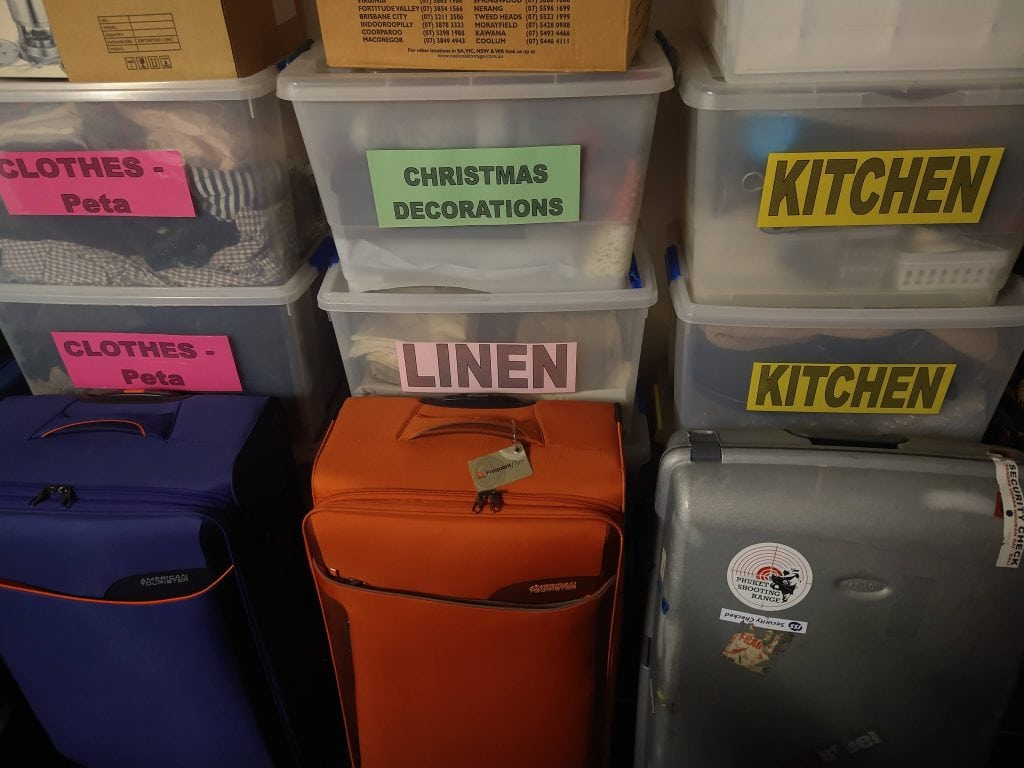
For many future nomadic retirees this stage involves simplifying life before departure i.e. reducing possessions, organising finances, setting a departure date, and gradually preparing for long-term travel.
Some people spend several years planning this transition, while others move much more quickly. The timeline is different for everyone.
When we began our own journey, we discovered that preparation was just as important as the travel itself. Taking the time to organise the practical aspects of leaving home made the transition to full-time travel far smoother.
If you’re starting to think about the practical side of leaving home, our Start Your Journey guides explore many of the steps involved in preparing for long-term travel.
Once you’ve decided that the nomadic lifestyle is something you want to pursue, the next step is learning how to plan travel differently from a traditional vacation.
Planning long-term travel involves choosing destinations carefully, understanding the best times to visit, organising transportation, and creating a flexible travel strategy.
That’s where the next stage of the roadmap begins.
Stage 2: Plan Your Travels
Once you’ve decided that nomadic retirement is something you want to pursue, the next step is learning how to plan travel differently from a typical vacation.
Planning long-term travel involves more than choosing a destination and booking flights. When travel becomes your lifestyle, decisions about where to go, how long to stay, and how to move between destinations become part of an ongoing travel strategy.
One of the first challenges many future nomadic retirees face is simply deciding where to go first. With so many incredible places in the world, narrowing down your options can feel overwhelming. Factors such as cost of living, climate, visa rules, safety, and travel style all play an important role when choosing destinations.
For many long-term travellers, affordability also becomes an important consideration. Some destinations allow you to live comfortably on a much smaller budget than you might expect. Our guide to the cheapest countries for digital nomads and retirees highlights several destinations where long-term travel can be surprisingly affordable.
Timing is another important part of planning your travels. Weather patterns, seasonal crowds, and local festivals can dramatically change the experience of visiting a destination. Choosing the right time of year can mean better weather, fewer tourists, and often lower prices.
Once you begin mapping out potential destinations, travel planning tools can make organising your journey far easier. Over the years we’ve developed a simple travel planning system for researching destinations, building itineraries, and visualising our travel routes using digital mapping tools.
These types of tools allow you to organise ideas, track potential destinations, and build flexible travel plans that evolve as your journey unfolds.
Planning long-term travel might seem complicated at first, but once you understand the key factors i.e. destinations, timing, transportation, accommodation, and safety, the process becomes much easier.
You can explore many more practical tips in our Plan Your Travels guides, where we share the strategies we use to organise our own travels after years on the road.
Planning your travels is an essential step, but the real adventure begins once you actually start living the lifestyle.
After your first few weeks or months on the road, travel stops feeling like a vacation and begins to feel more like everyday life, just in different parts of the world.
That’s where the next stage of the roadmap begins.
Stage 3: Live Nomadically
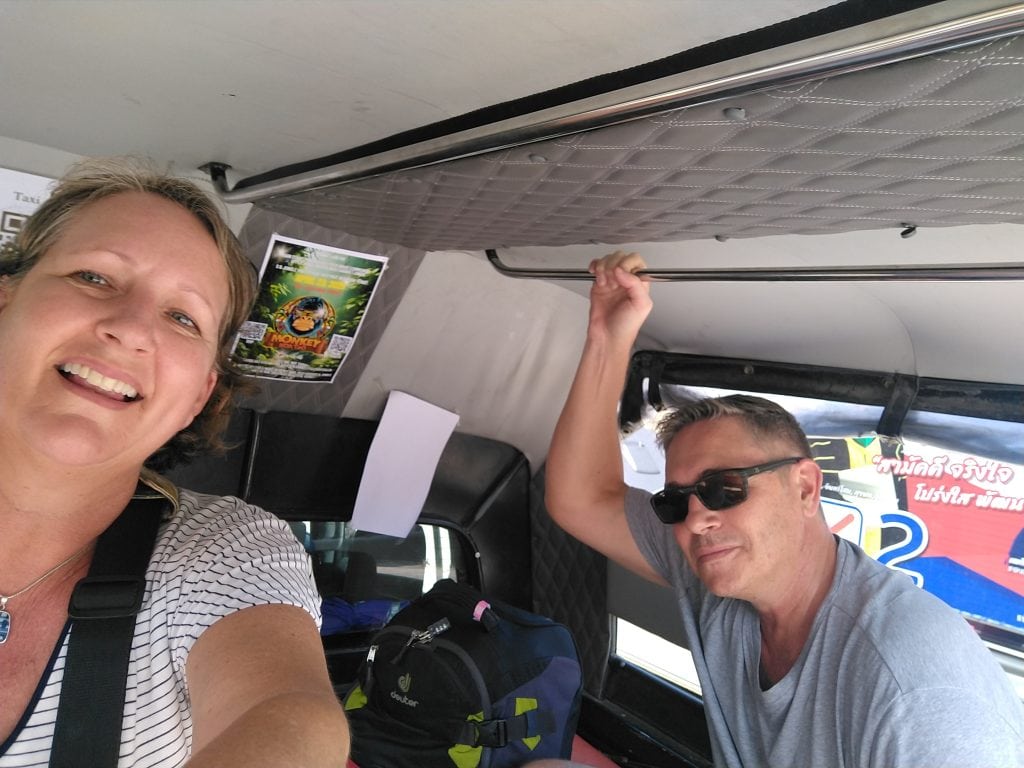
Once your journey begins, something interesting happens. Travel gradually stops feeling like a vacation and starts feeling like everyday life.
Instead of rushing between famous attractions, long-term travellers begin to settle into the rhythms of daily life in different destinations. We spend our time shopping at local markets, discovering neighbourhood cafés, and building small routines that make each place feel familiar.
This is where many nomadic retirees discover the benefits of slow travel.
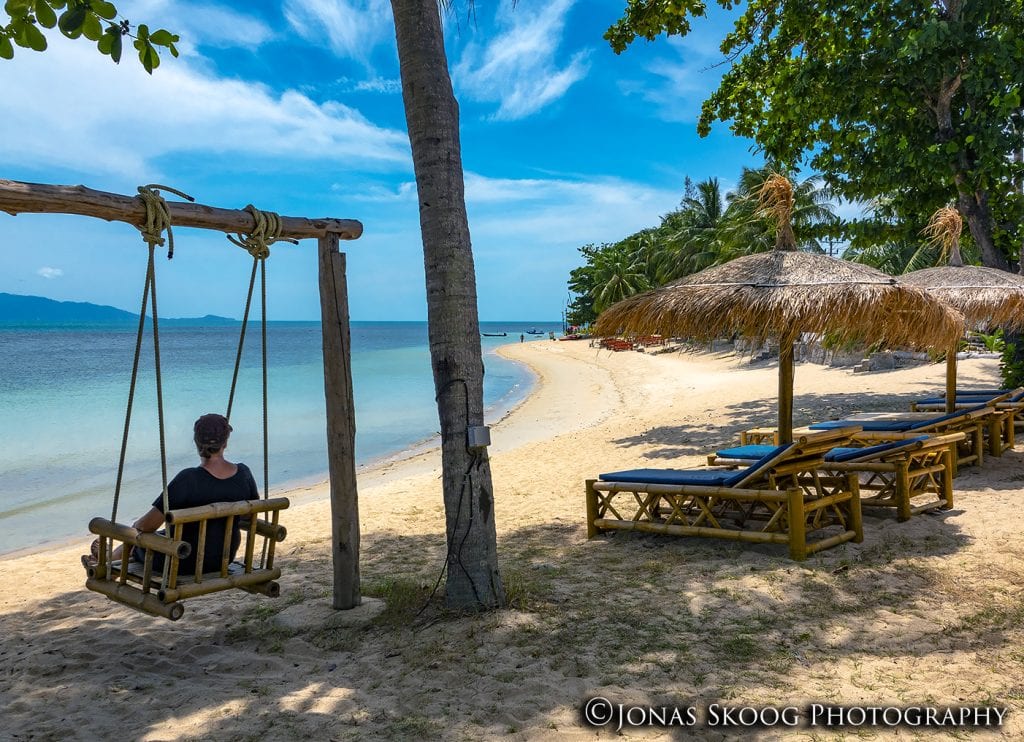
Rather than moving constantly, slow travel focuses on spending longer periods of time in each destination. Staying several weeks or even months in one place allows you to experience local culture more deeply while also reducing travel fatigue.
Over time you also develop practical routines that make life on the road easier. Travel days become less stressful, packing becomes simpler, and navigating new destinations becomes second nature.
Even though you may be travelling continuously, daily life still includes many familiar activities like cooking meals, doing laundry, exercising, working on personal projects, or meeting friends and other travellers along the way.
One thing we’ve learned after years of full-time travel is that having occasional breaks from constant movement can make the lifestyle far more sustainable. Each year we return to Australia for a period of time for our annual home base reset to rest, organise life admin, and prepare for another year of travel.
Living nomadically isn’t about constant excitement or non-stop sightseeing. Instead, it’s about creating a lifestyle that blends everyday routines with the joy of discovering new places.
You can explore more insights and experiences in our Live Nomadically guides, where we share what everyday life on the road really looks like after years of full-time travel.
Transition to Stage 4
As you spend more time travelling, you also begin to discover the gear, apps, and resources that make life on the road easier.
The right tools can simplify travel planning, protect your belongings, and help you stay connected wherever you go.
That’s where the final stage of the roadmap comes in.
Stage 4: Nomad Tools
As you spend more time travelling, you begin to realise that the right tools can make a big difference to how smoothly your journey unfolds.
Over the years we’ve experimented with many different travel products, apps, and online resources. Some have become essential parts of our travel routine, helping us stay organised, connected, and secure while moving between destinations.
Digital tools, for example, make it far easier to research destinations, organise itineraries, and book transportation or accommodation. Several travel apps have become part of our regular travel planning process, helping us compare flights, map out potential routes, and keep track of travel details.
Staying connected is another important part of modern travel. Whether you need to check directions, communicate with accommodation hosts, or manage online bookings, having reliable internet access can make life on the road much easier. Resources like free airport WiFi password databases can be surprisingly helpful when passing through unfamiliar airports.
Good travel gear also plays a role in making long-term travel more comfortable and secure. Over the years we’ve tested a range of products from backpacks and travel safes, to snorkelling gear and clothing designed for travellers, and we our share honest reviews of the items that have worked well for us. (internal link → Travel Gear Reviews section or one example such as Pacsafe Travelsafe Review)
In addition to gear and apps, we also rely on a number of trusted travel platforms to help plan and book different parts of our journey. You can see the websites and services we regularly use on our Travel Resources page, where we list the companies that have proven most useful during our travels.
You can explore all of these recommendations in our Nomad Tools guides, where we share the gear, technology, and travel resources that help simplify life on the road.
By now you’ve seen how the journey to nomadic retirement typically unfolds from deciding whether the lifestyle is right for you, to planning your travels, learning to live on the road, and discovering the tools that make the experience easier.
But even with a clear roadmap, many people still have practical questions about what long-term travel actually involves.
Let’s answer some of the most common ones.

Common Questions About Nomadic Retirement
Many people are intrigued by the idea of travelling long-term in retirement, but they also have practical questions about how the lifestyle works. Here are some of the most common questions we hear from readers who are considering a nomadic retirement.
Do you need to be wealthy to travel full-time?
No. While having savings or retirement income helps, many nomadic retirees discover that living abroad can actually cost less than living in their home country.
By choosing destinations with a lower cost of living and travelling slowly, many people are able to maintain a comfortable lifestyle while spending less than they did at home.
You can explore destinations that offer excellent value in our guide to affordable places for slow travel.
How long do nomadic retirees stay in each destination?
There is no single approach. Some travellers move every few weeks, while others stay one to three months or longer in each location.
Many long-term travellers prefer slow travel, which means staying longer in each destination to reduce travel fatigue and experience local culture more deeply.
What do nomadic retirees do with their homes and possessions?
Every situation is different.
Some retirees sell their homes and most of their belongings before starting their travels. Others rent out their homes, store possessions, or keep a small home base they return to periodically.
The right choice depends on your finances, family situation, and how permanent you want your travel lifestyle to be.
Is long-term travel safe?
Like any lifestyle, long-term travel requires awareness and preparation. Most destinations that attract international travellers are generally safe, but it’s important to take basic precautions and plan ahead.
Travel insurance, secure accommodation, and protecting valuables are all part of staying safe while travelling.
What is the biggest adjustment when living nomadically?
For many people, the biggest adjustment is shifting from a traditional routine to a more flexible lifestyle.
You may need to adapt to new cultures, languages, transportation systems, and environments. At the same time, many travellers discover that this change also brings a sense of freedom and excitement.
Over time, most nomadic retirees develop routines that help them feel comfortable wherever they are.
Your First Step Toward Nomadic Retirement
If the idea of nomadic retirement excites you, the good news is that you don’t need to figure everything out immediately. Most people begin this journey with a few simple steps that gradually move them closer to long-term travel.
Here are some practical first steps you can take today.
1. Start imagining what your ideal travel lifestyle looks like
Think about how you would like to travel. Would you prefer to move frequently or stay longer in each destination? Do you want to explore a particular region of the world, or travel globally?
Understanding your travel style will help guide many of your later decisions.
2. Review your financial situation
Take some time to understand what resources you have available for travel. This might include retirement savings, investments, pensions, or rental income.
Many people are surprised to discover that slow travel in certain parts of the world can be more affordable than living at home.
3. Start simplifying your life
Many future nomadic retirees begin by gradually downsizing possessions and reducing ongoing commitments. The less you need to manage at home, the easier it becomes to travel long-term.
For some people this means selling belongings, while others choose to store them or keep a small home base.
4. Experiment with longer trips
If you’re unsure whether the lifestyle is right for you, try taking longer trips of one or two months or even a gap year instead of short vacations.
This gives you a realistic sense of what daily life on the road feels like.
5. Learn from others already living the lifestyle
One of the best ways to prepare for nomadic retirement is to learn from people who are already doing it. Their experiences can help you avoid common mistakes and understand what long-term travel really involves.
Explore the guides throughout this roadmap to learn from our own experiences after years of travelling full-time.

In Summary: Your Nomadic Retirement Journey
Transitioning to a life of long-term travel may feel overwhelming at first, but breaking the process into stages makes it far more manageable.
The path from dream to reality usually follows a simple progression:
- Start Your Journey – Decide whether the lifestyle is right for you
- Plan Your Travels – Learn how to organise long-term travel
- Live Nomadically – Discover what life on the road is really like
- Nomad Tools – Use the tools that make travel easier
Each stage builds on the previous one.
You can begin exploring the roadmap by visiting our Start Your Journey guides, where we share practical advice for taking the first steps toward a nomadic retirement.
For us, the decision to embrace nomadic retirement opened the door to experiences we never imagined such as exploring new cultures, meeting people from around the world, and discovering places we might never have visited otherwise.
If you’re considering this lifestyle, take your time exploring the guides in each stage. The journey toward nomadic retirement doesn’t need to happen all at once.
But every journey does begin with a first step.
Are you planning a nomadic life or are you currently a nomad? Have we missed anything we should add to this post on the stages of the nomadic retirement lifestyle, or do you still have questions? Feel free to contact us on Facebook or via email and let us know.
Recommended Guides to Help You Get Started
If you’re exploring the idea of nomadic retirement, these guides may also help:
DISCLAIMER: This article contains affiliate links and Exit45 Travels are a participant in the Amazon Services LLC Associates Program. That means if you click a link and make a purchase, we make a small commission at no extra cost to you. Please see our disclosure policy for more information.
