
How to Plan Long-Term Travel: Our System for Planning a Year of Travel

Learn how to plan long-term travel with our proven system for planning a year of travel – simple, flexible, and realistic.
We still remember the early days (back in 2018) of planning our first long-term trip when we started our nomadic retirement lifestyle.
We spent hours researching destinations, comparing budgets, watching YouTube videos, and reading blog after blog… yet somehow, we still didn’t feel ready.
There was always one more thing to figure out.
One more “what if”.
One more reason to wait.
And that’s the trap most people fall into.
They think planning long-term travel is about having everything perfectly mapped out before they leave. The perfect itinerary. The perfect budget. The perfect plan.
But here’s what we’ve learned after 8+ years of full-time travel: The biggest barrier to long-term travel isn’t logistics, it’s mindset.
At some point, you have to stop planning perfectly and start moving forward imperfectly.
You don’t need a perfect plan, you need momentum.
Because the truth is:
- You will figure things out as you go
- Your plans will change (often!)
- And the confidence you’re waiting for only comes after you start
In this guide, we’re going to show you how to plan long-term travel using the exact system we use to plan a year of travel without overcomplicating it.
This isn’t about creating a rigid, day-by-day itinerary.
It’s about:
- Building a flexible framework
- Designing a system that works for you
- And learning how to adapt along the way
Because long-term travel isn’t just a trip. It’s a lifestyle shift, and planning it requires a completely different approach.
Planning A Year of Travel: Key Takeaways
If you’re in a hurry, here’s a quick list of considerations for how to plan long-term travel:
- Before you plan your route, your budget, or your itinerary: Get clear on your “why.”
- Before you plan your destinations or route: Decide how you want to travel.
- You don’t need a perfect itinerary. You need a flexible framework.Because long-term travel isn’t about sticking to a plan… It’s about adapting as you go.
- When choosing your destinations for long-term travel: Choose places that align with your interests, your lifestyle, and your purpose for travelling.
- Long-term travel planning isn’t just about destinations and bookings. It’s about creating a system that supports your lifestyle on the road.
- Long-term travel logistics don’t need to be perfect. They just need to be good enough to get you started with confidence.
- When it comes to planning a year of travel: managing your finances well isn’t about restriction. It’s about creating a travel lifestyle you can sustain long-term.
- When planning long-term travel: the goal isn’t to be prepared for everything… It’s to be flexible enough to handle anything.
- Don’t just prepare for the logistics. Prepare for the emotional side too.
- Your need a starting point and the willingness to figure things out along the way.
- If you remember nothing else from this guide, remember this: You don’t need a perfect plan, you need a plan that gets you started.
Start With Your “Why” (Not Your Destination)
Before you start choosing countries, booking flights, or mapping routes, there’s one question that matters more than anything else: Why do you actually want to travel long-term?
It sounds simple but this is where most people go wrong.
They start with destinations:
- “I want to go to Italy”
- “I want to see Southeast Asia”
- “I want to tick off my bucket list”
But without a clear why, it’s easy to end up:
- Travelling too fast
- Spending more than expected
- Feeling exhausted or unfulfilled
We’ve seen this firsthand.
When we first started, we were caught up in the excitement of seeing everything. Our early travels were fast-paced. We moved every 3 to 5 days, constantly chasing the next destination.
And while it was exciting… it wasn’t sustainable.
It wasn’t until we slowed down and reconnected with why we were travelling that everything changed.
Your “Why” Shapes Your Entire Travel Experience
Your reason for travelling will influence every major decision you make:
- Your pace → fast travel vs slow travel
- Your budget → comfort vs cost-saving
- Your destinations → cities vs nature vs culture
- Your daily life → sightseeing vs living locally
For example:
- If your goal is freedom and flexibility, you’ll prioritise slower travel and fewer commitments
- If your goal is adventure and variety, you may move more frequently
- If your goal is connection and cultural immersion, you’ll stay longer in fewer places
Without a clear “why,” it’s easy to drift into a style of travel that doesn’t actually suit you.

A Better Way to Start Planning
Instead of asking: “Where should we go?”
Start by asking:
- What do we want our daily life to look like?
- How fast do we want to move?
- What experiences actually matter to us?
- What are we trying to get out of this lifestyle?
This is where long-term travel shifts from being a holiday… to something much more meaningful.
A Contrarian Truth Most People Miss
The destination matters far less than you think.
We’ve had incredible experiences in places we never planned to visit…
And underwhelming experiences in places that were high on our bucket list.
What made the difference wasn’t the location.
It was:
- Our mindset
- Our pace
- And how aligned the experience was with what we actually wanted
Define Your Travel Style Early (This Changes Everything)
If there’s one decision that will shape your entire long-term travel experience… it’s this: How do you actually want to travel?
Not all long-term travel looks the same, and this is where many people unknowingly set themselves up for frustration.
The Four Common Travel Styles
Most long-term travellers fall into one of these categories:
- 🐢 Slow Travel – Staying weeks or months in one place
- ✈️ Fast Travel – Moving every few days to see more destinations
- 🏡 Base Travel – Using one location as a hub and taking shorter trips
- 🌏Mixed Approach – A combination of the slow and fast travel, or all three
None of these are “right” or “wrong”.
But choosing the wrong one for you can completely change your experience for the worse.
Our Biggest Lesson: Fast Travel Isn’t Sustainable
When we first started, we travelled fast.
We were moving every 3 to 5 days, trying to see as much as possible, ticking off places we had dreamed about for years.
At first, it felt exciting. But after a few months? We were exhausted.
Constant packing, planning, moving, and decision-making started to wear us down. What we thought would feel like freedom started to feel like pressure.
It wasn’t until around our second month that we made a shift: We slowed down.
We started staying 1 to 2 weeks in each destination…
And now, we often stay one month or more in a single place.
That one decision changed everything.
Why Your Travel Style Matters More Than Your Destination
Your travel style directly impacts:
- Your budget → slower travel often reduces costs significantly
- Your energy levels → less moving = less burnout
- Your experience → deeper connections vs. surface-level visits
- Your sustainability → whether you can maintain this lifestyle long-term
You can visit the most beautiful destination in the world… but if you’re burnt out, it won’t matter.
A Common Mistake to Avoid
Many people plan long-term travel like a short holiday:
- Packed itineraries
- Constant movement
- “Must-see” lists
That approach works for 2–3 weeks.
It doesn’t work for 6–12 months (or longer).
How to Choose the Right Travel Style for You
Ask yourself:
- Do we prefer depth or variety?
- How much energy do we want to spend moving?
- Are we prioritising cost savings or experiences?
- What pace feels enjoyable, not exhausting?
And remember: You can always adjust as you go.
Your travel style will likely evolve, just like ours did.
Plan the Framework — Not Every Detail
This is where most people get stuck when trying to figure out how to plan long-term travel.
They think they need:
- A detailed itinerary
- Every destination mapped out
- Every activity pre-booked
But after years of full-time travel, we’ve learned something important:
Over-planning is one of the fastest ways to ruin long-term travel.
Why Over-Planning Doesn’t Work
Planning every detail might feel productive, but it creates problems:
- You lose flexibility
- You miss unexpected opportunities
- You feel locked into decisions
- And changing plans becomes stressful (and expensive)
We’ve been there.
In the beginning, we tried to plan too much thinking it would make things easier.
Instead, it made travel feel rigid.
And long-term travel isn’t meant to feel rigid.
What You Actually Need to Plan
Instead of planning everything, focus on building a simple framework.
At a minimum, we recommend planning:
- Your first destination
- Your first 1–3 months (loosely)
- Key seasons, public holidays or weather considerations
- A rough geographic direction (optional)
That’s it.
This gives you structure… without taking away freedom.
What You Don’t Need to Plan
You don’t need:
- Day-by-day itineraries
- Every hotel booked months in advance
- Every activity locked in
- A fully mapped 12-month route
Trying to plan a full year in detail before you leave is not only unnecessary, it’s unrealistic.
The Sweet Spot: Structure + Flexibility
The goal is to find balance:
- Too much planning → rigid, stressful travel
- Too little planning → chaotic, reactive travel
The sweet spot?
Plan the framework, then adjust as you go.
This approach allows you to:
- Stay open to recommendations
- Adjust for weather or energy levels
- Extend stays in places you love
- Leave places early if they’re not a good fit
A Contrarian Truth
The less you plan, the better your travel often becomes.
Some of our best experiences have come from:
- Last-minute decisions
- Recommendations from locals
- Staying longer in places we didn’t expect to love
None of that happens when every day is pre-planned.
How We Approach It Now
These days, our planning looks like this:
- We choose our next destination
- Book our initial accommodation
- Have a rough idea of what’s next
And then…
We figure out the rest on the ground.

Choosing Your Destinations (With Purpose, Not Just Price)
Once you’ve defined your why and your travel style, the next step is deciding how to pick a destination that suits your travel lifestyle.
This is where long-term travel planning starts to feel exciting… but it’s also where many people make costly mistakes.
Because most people choose destinations based on:
- What’s popular
- What’s cheap
- Or what’s on their bucket list
But here’s what we’ve learned:
The best destinations aren’t always the cheapest or the most famous. They are the ones that fit your lifestyle.
How We Choose Our Destinations
Over time, we’ve developed a simple way of deciding where to go next.
We look at three key things:
1. Interests and Experiences
What do we actually want to do there?
- Food
- Culture
- Nature
- Lifestyle
- Activities
If a destination doesn’t excite us beyond “it’s cheap” or “people say it’s good”… it’s usually not the right fit.
2. Budget and Cost of Living
Of course, budget matters, especially for long-term travel.
But instead of just chasing the cheapest places, we think about:
- Overall cost of living
- Value for money
- How far our budget will stretch
- Seasonality / festivals / local holidays etc.
This is where geoarbitrage comes into play i.e. spending time in more affordable regions to balance out more expensive destinations.
3. Lifestyle Fit (This Is the Big One)
This is the factor most people overlook.
Ask yourself:
- Can we see ourselves living here for a few weeks or months?
- Is it easy to navigate?
- Does it suit our pace of travel?
- Does it align with what we enjoy day-to-day?
A place can be beautiful, but if it doesn’t suit your lifestyle, it won’t feel good long-term.
Plan Geographically (Save Time, Money, and Energy)
One of the simplest ways to improve your long-term travel plan is to think geographically.
Instead of jumping randomly between countries:
- Group destinations by region
- Travel overland where possible
- Reduce long-haul flights
This helps you:
- Save money
- Reduce travel fatigue
- Spend more time enjoying destinations instead of moving between them
A Powerful Shift: Purpose-Driven Destinations
One of the biggest mindset shifts we’ve had is this: You need a reason to stay somewhere, not just a reason to go.
In the beginning, we chose places because they looked good or were popular.
Now, we choose destinations based on purpose:
- A place with great food we want to explore
- A culture we want to immerse ourselves in
- A destination that’s easy and comfortable for a longer stay
- Somewhere that simply feels good to live in
This shift has made our travels far more meaningful and far more enjoyable.
A Contrarian Truth
Cheap destinations aren’t always the best destinations.
We’ve stayed in places that were incredibly affordable… but didn’t suit us at all.
And we’ve stayed in slightly more expensive places that were worth every dollar because of the experience, comfort, and lifestyle they offered.

Build a Simple Travel Planning System (That Works for You)
One of the biggest differences between short trips and long-term travel is this: You can’t rely on memory or scattered notes anymore.
When you’re travelling for months (or years), you need a system.
Not a complicated one.
Not a perfect one.
Just one that helps you stay organised without creating more stress.
Why a Travel System Matters
When you’re on the road long-term, you’re constantly managing:
- Bookings (flights, accommodation, transport)
- Ideas (places to visit, restaurants, experiences)
- Documents (insurance, visas, confirmations)
- Notes (what worked, what didn’t)
Without a system, things quickly become:
- Messy
- Hard to find
- Easy to forget
And that’s when travel starts to feel overwhelming.
Our Simple Travel Planning System
Over time, we’ve developed a system that works for us, and the key word here is works for us.
Here’s what we use:
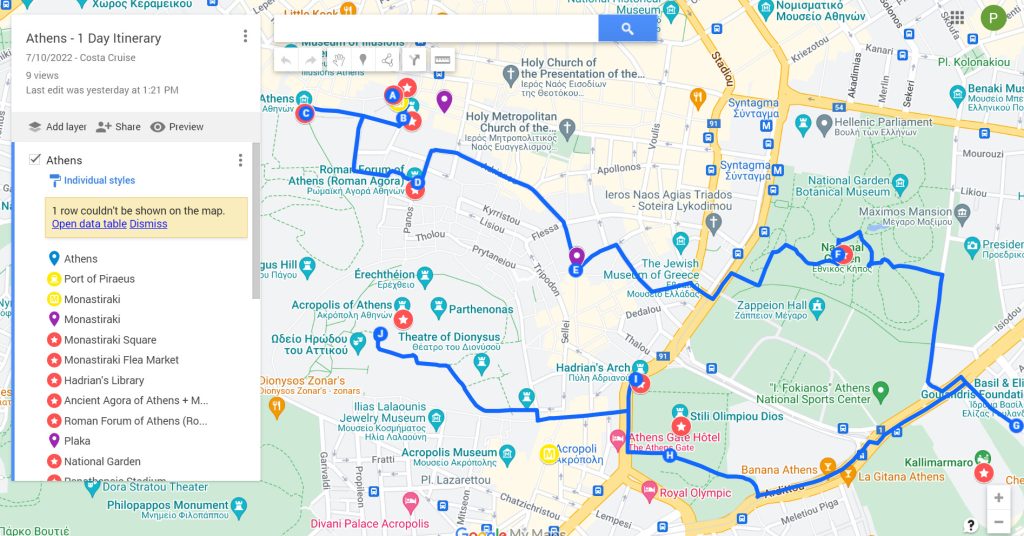
📍 Google My Maps (Our Favourite Nomad Tool)
This is where we store almost everything destination-related.
We pin:
- Restaurants we want to try
- Attractions and things to do
- Accommodation options
- General notes for each location
It becomes a visual map of everything in one place, which is incredibly helpful when you arrive somewhere new.
Read our step-by-step guide on how we use Google MyMaps if you are interested in reading more about our system.
🧠Trello (For Bookings and Itineraries + Planning and Ideas)
Trello helps us keep track of:
- Flights
- Accommodation bookings
- Transportation Bookings
- Activity / Tour Bookings
- Travel itineraries
Everything is organised chronologically, so we always know what’s coming next.
Trello also helps us organise:
- Future destinations
- Travel ideas
- Rough plans
It’s flexible and easy to update on the go.
📊Spreadsheets (For Structure)
For those who like a bit more structure, spreadsheets are great for:
- Rough budgeting
- Comparing destinations
- Planning timelines
We don’t overcomplicate this, but it’s useful when needed.
What We Track (And What We Don’t)
We keep things simple and practical.
We track:
- Bookings
- Itineraries
- Destination ideas
- Notes on destinations
When it comes to expenses?
We don’t track every single dollar.
Instead, we:
- Stay aware of our spending
- Adjust as we go
- Review and refine each year
This keeps things manageable without turning travel into a full-time admin job.
Keep Everything Digital and Accessible
One of the best decisions we made was to keep everything:
- Digital
- Centralised
- Accessible from anywhere
This means:
- No lost paperwork
- Easy updates on the go
- Quick access when needed
The Most Important Insight
After years of doing this, here’s what we’ve learned:
There is no “perfect” travel planning system.
Some people love:
- Detailed spreadsheets
- Structured itineraries
Others prefer:
- Simple travel apps
- Notes on their phone
Both work.
The best system is the one you’ll actually use consistently.
If your system is too complicated, you won’t stick with it.
If it’s simple and intuitive, it becomes second nature and makes long-term travel far easier.
Get the Big Logistics Right Before You Leave
This is the part of long-term travel planning that isn’t particularly exciting… but it’s essential.
Because while mindset and flexibility matter, there are a few key logistics that if handled properly, make everything else much easier.
Think of this as setting up the foundation for your travels.
Flights and Transportation
When it comes to flights, our approach is simple:
- Book key long-haul flights early (especially during peak seasons)
- Stay flexible with shorter, regional flights
For long-term travel, you don’t need to book every flight in advance.
In fact, we rarely do.
Instead:
- We book our initial flight
- Sometimes the next major leg
- And then plan the rest as we go
This keeps costs manageable while maintaining flexibility.
Accommodation
Accommodation is one of your biggest expenses, so how you approach it matters.
We typically:
- Book our first stay (3-5 nights on average) in advance
- Then organise the rest once we arrive
This allows us to:
- Get a feel for the area
- Check locations in person
- Take advantage of longer-stay discounts
As we shifted to slower travel, we found: Staying longer = better value + less stress
Visas, Insurance and Important Documents
This is the area you don’t want to leave until the last minute.
Make sure you’ve sorted:
- Visa requirements for your first destinations
- Travel insurance (essential for long-term travel)
- Passport validity and entry requirements
- Copies of important documents (both digital and hard-copy backups)
Having this organised early removes a huge amount of stress later.
Tours and Activities
This is where many people over-plan.
You don’t need to book everything in advance.
We recommend:
- Booking high-demand or must-do experiences ahead of time
- Leaving space for:
- Local recommendations
- Spontaneous activities
- Changing plans
Some of our best experiences have come from things we didn’t plan at all.
Safety
Safety is important, but it shouldn’t stop you from travelling.
Our approach is practical:
- Research destinations before you go
- Stay aware of your surroundings
- Trust your instincts
- Avoid unnecessary risks
It’s about being prepared, not fearful.
Cruising as Part of Long-Term Travel
Cruising isn’t always the first thing people think of when planning long-term travel, but it can be a useful and exciting addition.
It can:
- Provide a break from constant planning
- Allow you to visit multiple destinations with ease
- Offer a more structured travel experience when you need it
We see it as: A tool within our overall travel style, not the whole plan.

The Big Picture
When it comes to logistics, it’s easy to overcomplicate things.
But in reality, you only need to focus on a few key areas:
- Getting to your first destination
- Having a place to stay
- Ensuring your documents and insurance are sorted
- Knowing how you’ll access money
Everything else? You can figure out along the way.
Travel Finances – Budgeting for a Year of Travel
When people think about how to plan long-term travel, this is often the biggest concern: “Can we actually afford it?”
And it’s a fair question.
But here’s what we’ve learned after years of full-time travel:
Long-term travel doesn’t have to be expensive, but it does need to be intentional.
Start With a Realistic Budget (Not a Fantasy One)
It’s easy to underestimate costs when planning a year of travel.
Many people focus on:
- Cheap accommodation
- Low-cost destinations
But forget about:
- Flights
- Insurance
- Daily spending
- Unexpected expenses
Instead, build a budget based on how you’ll actually travel.
Think about:
- Accommodation style (hotels vs. apartments)
- Travel pace (frequent flights vs. slow travel)
- Daily lifestyle (eating out, activities, transport)
Your budget should reflect your real habits, not your ideal ones.
Our Approach to Budgeting
We keep things simple.
- We set a realistic yearly budget (ours is $4,500 AUD per month)
- We adjust and review it at the end of each year
- And while travelling, we stay aware of our spending rather than tracking every dollar
We don’t track every coffee or meal.
Instead, we:
- Know roughly what we’re spending
- Adjust when needed
- Make decisions based on the bigger picture
This keeps things practical without turning travel into a constant spreadsheet exercise.
The Power of Slow Travel (and Geoarbitrage)
One of the biggest financial advantages of long-term travel is this:
Where you travel matters just as much as how you travel.
By spending time in more affordable slow travel destinations, you can:
- Stretch your budget further
- Balance out more expensive countries
- Maintain a higher quality of life
This is where geoarbitrage becomes powerful i.e. living in places where your money goes further.
We’ve found this to be one of the most effective ways to sustain long-term travel.
The Hidden Cost Most People Miss
Small daily expenses add up fast.
Things like:
- Coffee
- Transport
- Snacks
- Entrance fees
Individually, they seem small.
Over months?
They make a big difference.
That doesn’t mean you need to cut everything out, but it does mean being mindful.
Build Flexibility Into Your Finances
No matter how well you plan, things will change.
- Plans shift
- Opportunities come up
- Unexpected costs happen
That’s why it’s important to:
- Have a buffer in your budget
- Stay flexible with your spending
- Adjust as you go
A Contrarian Truth
You don’t need to be wealthy to travel long-term.
What you need is:
- A plan
- Awareness of your spending
- And a willingness to adjust your lifestyle
We’ve met travellers from all financial backgrounds making this lifestyle work in different ways.
Pack Minimally and Plan for Flexibility
Packing is one of those things that feels simple… until you’re doing it for long-term travel.
Because when you’re not coming home for months (or even years), the temptation is to pack everything “just in case”.
We did the same.
And very quickly learned: The more you carry, the harder long-term travel becomes.
Why Packing Light Matters More Than You Think
Every extra item you bring has a cost:
- Heavier bags
- More stress on travel days
- Harder logistics (stairs, transport, airports)
- Less flexibility
When you’re moving frequently, or even occasionally, this adds up fast.
Our Biggest Packing Lesson
When we first started, we packed far too much.
Things we thought we’d need…
Things we “might use”…
Things we didn’t want to leave behind…
And many things we didn’t use at all!
Over time, we simplified.
Now, we travel with:
- A small, practical wardrobe
- Essential tech
- Only what we actually use regularly
And it’s made everything easier.
A Simple Packing Philosophy
We now follow a very simple rule: If you don’t use it regularly, you probably don’t need it.
And another one that’s been just as helpful: One thing in = one thing out
If we buy something new, something else goes.
This keeps our luggage manageable over time.
Pack for Your Lifestyle, Not Your “What Ifs”
Instead of packing for every possible scenario, pack for your actual travel style:
- Slow travel? → You can buy things locally if needed
- Warm climates? → Lighter, simpler clothing
- City living? → Focus on comfort and practicality
Almost anything you forget can be bought along the way.
Flexibility Starts With What You Carry
Packing light isn’t just about convenience, it directly impacts how you travel.
When you carry less:
- You move more easily
- You make decisions faster
- You feel less weighed down (physically and mentally)
And this ties into a bigger idea: Flexibility in travel starts with simplicity.
A Contrarian Truth
You don’t need as much as you think you do.
Most long-term travellers eventually realise this, but often only after carrying too much for far too long.
Expect the Emotional Reality of Long-Term Travel
This is the part no one really talks about when discussing how to plan long-term travel.
The photos look amazing.
The destinations look perfect.
The lifestyle looks effortless.
But here’s the truth: Long-term travel isn’t a permanent holiday! It’s real life, just in a different place.
You can read more about this in our blog post on the real advantages and disadvantages of nomadic life.
The Emotional Side of Travel Is Real
Even when you’re living your dream, you may still experience:
- Travel fatigue → constantly moving, planning, deciding
- Decision overload → where to go next, where to stay, what to do
- Loneliness → being away from family and familiar routines
- Frustration → when things don’t go to plan (and they won’t)
We’ve experienced all of these at different points in our journey.
And it can catch you off guard, especially if you’re expecting travel to feel amazing all the time.
Our Biggest Mindset Shift
One of the most important things we’ve learned is this: There’s nothing wrong with you if travel feels hard sometimes.
It doesn’t mean you’ve made the wrong decision.
It doesn’t mean the lifestyle isn’t for you.
It just means…
You’re human.
What Helped Us the Most
Over time, we’ve found a few things that make a huge difference: Slow Down When You Need To
When things start to feel overwhelming, the best solution is often simple:
Stay longer.
Give yourself time to rest, reset, and settle into a place.
Don’t Blame Each Other
This was a big one for us.
When things go wrong (missed transport, bad accommodation, stressful days), it’s easy to get frustrated.
But we’ve learned to:
- Focus on solutions
- Not take things personally
- Work as a team
This mindset shift changed everything.
Accept That Things Will Go Wrong
No matter how well you plan:
- Plans will change
- Things won’t go as expected
- Mistakes will happen
And that’s part of the experience.
A Contrarian Truth
Travel doesn’t remove problems, it just changes them.
Instead of:
- Work stress
- Routine
- Familiar challenges
You’ll have:
- Logistics
- Uncertainty
- Constant change
But for us (and many others) that trade-off is absolutely worth it.
The Hidden Benefit: Growth
While these challenges can be difficult, they also lead to something powerful: Growth.
Over time, long-term travel helps you:
- Build confidence
- Become more adaptable
- Handle uncertainty better
- Trust yourself more
And these are the things that make the lifestyle sustainable.

Take Action Before You Feel Ready
If there’s one thing we could go back and tell ourselves before we started long-term travel, it would be this:
You will never feel 100% ready.
There will always be:
- One more thing to research
- One more fear to work through
- One more “what if” to consider
And if you wait until everything feels perfectly aligned…
You may never start.
The “Ready” Trap
This is where so many people get stuck.
They spend months, or even years:
- Researching destinations
- Watching videos
- Planning itineraries
But never actually taking the first step.
Not because they don’t want to…
But because they’re waiting to feel confident enough.
What We’ve Learned From Experience
When we started, we didn’t have everything figured out. Far from it.
We had:
- Questions
- Uncertainty
- Doubts
But we made the decision to go anyway. And what we discovered was this:
Confidence doesn’t come before travel, it comes from it.
Start Before You Feel “Ready”
At some point, planning needs to turn into action.
That might look like:
- Booking your first flight
- Committing to a start date
- Planning your first destination
It doesn’t have to be perfect.
It just has to be enough to get you moving.
Ease Into It If You Need To
If the idea of long-term travel feels overwhelming, you don’t have to go all-in straight away.
You can build into it:
- Take a shorter trip first
- Try a few weeks or months
- Test different travel styles
Long-term travel is something you grow into, not something you need to master before you begin.
A Powerful Shift in Thinking
Instead of asking: “What if something goes wrong?”
Try asking: “What if we figure it out?”
Because you will.
A Contrarian Truth
The people who succeed at long-term travel aren’t the most prepared.
They’re the ones who take action.
Our Step-by-Step System for Planning a Year of Travel
If you’re feeling overwhelmed at this point, don’t worry. That’s completely normal.
There are a lot of moving parts when it comes to long-term travel planning.
So instead of trying to hold everything in your head, here’s the simple system we use when planning a year of travel.
Think of this as your roadmap.
Step 1: Start With Your “Why”
Before anything else, get clear on:
- Why you want to travel
- What kind of lifestyle you’re aiming for
This will guide every decision that follows.
Step 2: Define Your Travel Style
Decide early:
- Slow travel vs. fast travel
- Comfort vs. budget
- Depth vs. variety
This one decision will shape your entire experience.
Step 3: Choose Your First Destinations
You don’t need to plan a full year.
Start with:
- Your first destination
- A rough idea of the next 1 to 3 months
Choose based on:
- Interests
- Budget
- Lifestyle fit
Step 4: Build Your Travel Planning System
Set up a simple system to manage:
- Bookings
- Notes
- Destination ideas
- Documents
Use tools that work for you:
- Apps, spreadsheets, or simple notes
Keep it simple and easy to maintain.
Step 5: Get the Key Logistics Sorted
Before you leave, organise:
- Flights (at least your first major one)
- Initial accommodation
- Travel insurance
- Visas and documents
- Access to money
You don’t need everything booked, just enough to get started.
Step 6: Set a Realistic Budget
Plan based on how you’ll actually live, not an ideal version.
- Include major costs and daily spending
- Build in a buffer
- Stay flexible
Step 7: Pack Light and Stay Flexible
- Bring only what you need
- Keep things simple
- Stay open to changing plans
Flexibility is one of your biggest advantages.
Step 8: Take Action
This is the step that matters most.
- Book the flight
- Set a date
- Commit to starting
Everything else, you’ll figure out along the way.
If you want a more detailed breakdown of how to transition into this lifestyle, we’ve outlined everything in our complete nomadic retirement roadmap, including the key steps we took to make it sustainable long-term.
The Big Picture
When you zoom out, planning long-term travel isn’t about perfection.
It’s about:
- Creating a simple framework
- Building systems that support you
- Staying flexible
- And trusting yourself to adapt
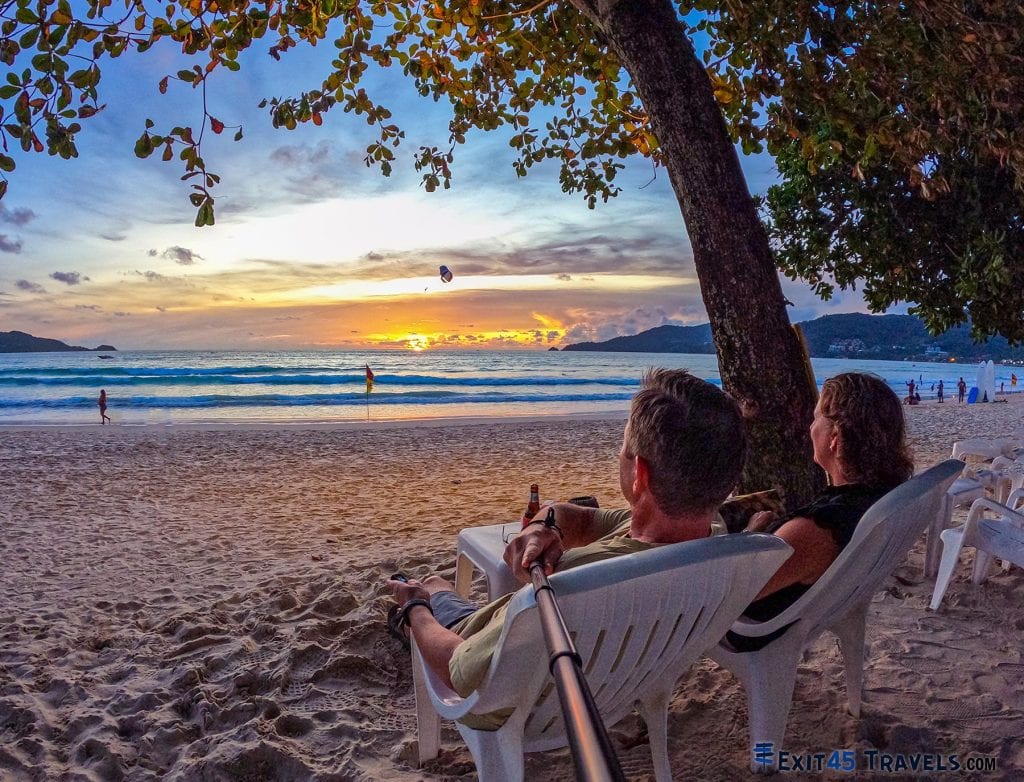
Long-Term Travel Is a Life Transition, Not a Holiday
If there’s one thing we’ve learned after years of full-time travel, it’s this:
Long-term travel isn’t just an extended holiday, it’s a complete lifestyle shift.
And that’s an important distinction.
It’s Not Always Easy… But It Is Worth It
There will be incredible moments:
- Watching sunsets in new countries
- Experiencing different cultures
- Meeting people from all over the world
But there will also be challenges:
- Fatigue
- Uncertainty
- Constant change
- World interruptions
And that’s because this isn’t a break from life.
This is your life, just lived differently.
Travel Becomes Your New Normal
At some point, something interesting happens.
The things that once felt exciting and new:
- Booking flights
- Arriving somewhere unfamiliar
- Navigating a new city
…become normal.
And that’s when long-term travel really shifts from being a trip… to becoming a sustainable lifestyle.
The Real Goal Isn’t to Travel More
It’s easy to think long-term travel is about:
- Seeing more places
- Ticking off bucket lists
- Constantly moving
But over time, priorities change.
For us, it became more about:
- Living intentionally
- Slowing down
- Connecting with places and people
- Creating a lifestyle we actually enjoy day-to-day
A Final Perspective Shift
If you approach long-term travel like a holiday, you may:
- Rush
- Overspend
- Burn out
But if you approach it as a lifestyle, you’ll:
- Slow down
- Make better decisions
- Enjoy the experience more
That shift in perspective makes all the difference.
FAQs: Planning A Year of Travel
Now that you have read our strategy for planning long-term travel, you might still have a few questions. Don’t worry, we’ve got you covered! Here are some frequently asked questions about long-term travel planning.
How far in advance should I plan long-term travel?
You don’t need to plan everything far in advance.
We recommend:
* Planning your first destination
* Outlining your first 1–3 months
* Booking key flights if needed
Beyond that, it’s better to stay flexible and adjust as you go.
How much money do I need for long-term travel?
The cost of long-term travel varies depending on your lifestyle, destinations, and pace.
Key factors include:
* Accommodation style
* Travel frequency
* Daily spending habits
Many travellers find that slow travel and choosing affordable destinations can significantly reduce costs.
Is long-term travel cheaper than short-term travel?
In many cases, yes.
Long-term travel can be more affordable because:
* You benefit from long-stay accommodation discounts
* You take fewer flights
* You live more like a local
Slower travel often leads to lower daily costs.
How do I choose where to go for long-term travel?
The best destinations are not just the cheapest or most popular.
Instead, choose based on:
* Your interests
* Your travel style
* Your budget
* Your lifestyle preferences
Focus on places where you can see yourself living, not just visiting.
What is the biggest mistake when planning long-term travel?
The most common mistake is over-planning.
Many people try to:
* Plan every day
* Book everything in advance
* Create a rigid itinerary
This removes flexibility and can lead to stress and burnout.
Do I need to book everything before I leave?
No.
We recommend:
* Booking your first flight
* Securing your initial accommodation
After that, you can plan as you go.
What is the best travel style for long-term travel?
There’s no single “best” style, but many long-term travellers prefer slow travel.
It allows you to:
* Reduce costs
* Avoid burnout
* Experience destinations more deeply
Your ideal travel style depends on your goals and preferences.
Is long-term travel safe?
Long-term travel is generally safe if you take basic precautions:
* Research destinations
* Stay aware of your surroundings
* Trust your instincts
It’s about being prepared, not fearful.
How do you stay organised during long-term travel?
The key is having a simple system.
We recommend:
* Using apps for bookings and itineraries
* Keeping notes and plans in one place
* Storing documents digitally
The best system is the one you’ll use consistently.
Will I feel ready before starting long-term travel?
Probably not and that’s completely normal. Most people never feel 100% ready.
Confidence comes from:
* Taking action
* Learning as you go
* Adapting along the way
In Summary: Our Recommendations for Planning Long-Term travel
If you’re wondering how to plan long-term travel, here’s what we’d say:
- Start with your “why”
- Choose a travel style that suits you
- Plan the framework, not every detail
- Build simple systems
- Stay flexible
- And most importantly… start before you feel ready
Because the truth is: You don’t need to have it all figured out to begin.
You just need to begin.
If you’re ready to take the next step, we’ve broken down the entire journey in our nomadic retirement roadmap, showing exactly how we transitioned into this lifestyle.
Are you planning to travel long-term or are you currently a full-time traveller? Have we missed anything we should add to this list or do you still have questions? Feel free to contact us on Facebook or via email and let us know.
Recommended Guides to Help You Plan Your Travels
Explore the guides below to learn how to plan your travels with more confidence.
Choosing Your Destination
- How to Pick a Travel Destination: 13 Factors to Consider (Learn From Our Mistakes)
- 17 Best Slow Travel Destinations – Where You Can Live Comfortably On USD $3000 A Month Or Less
- 21 Cheapest Countries For Retired / Digital Nomads
Best Countries To Travel To In…
JANUARY | FEBRUARY | MARCH | APRIL | MAY | JUNE | JULY | AUGUST | SEPTEMBER | OCTOBER | NOVEMBER | DECEMBER
Best Festivals Around The World IN…
JANUARY | FEBRUARY | MARCH | APRIL | MAY | JUNE | JULY | AUGUST | SEPTEMBER | OCTOBER | NOVEMBER | DECEMBER
Festivals In…
- 35 BEST and BIGGEST Festivals in the World
- 21 BEST Festivals in Asia You Shouldn’t Miss
- Chiang Mai Lantern Festival Thailand + Other Festivals
- Happy Songkran Festival in Thailand: When, Where & How to Celebrate
Planning Tools
- How to Plan a Trip on Google My Maps: A Step-by-Step Guide
- How To Export Data From Google My Maps To Use Offline
Safety & Preparation Guides
DISCLAIMER: This article contains affiliate links and Nomadic Retirement Travel are a participant in the Amazon Services LLC Associates Program. That means if you click a link and make a purchase, we make a small commission at no extra cost to you. Please see our disclosure policy for more information.
